















Gen Z Protests: Achievements in Nepal, Bangladesh, Morocco, Madagascar

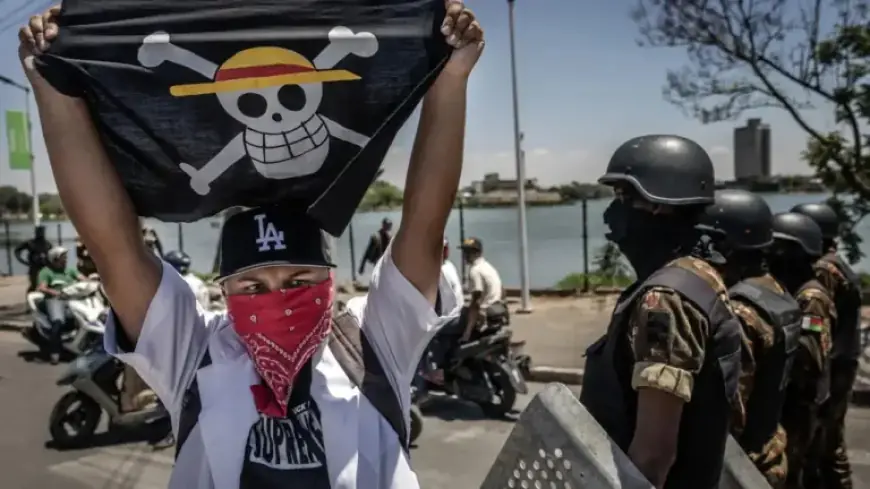
Six months after mass street protests swept parts of the Global South, youth-led movements report mixed gains. Some secured top political posts. Others face arrests and stalled promises.
Nepal: A young leader takes office
Balendra Shah, 35, became Nepal’s youngest prime minister on March 27, 2026. He rose from Kathmandu mayor to a social-media figure and rapper.
Sudan Gurung, a protest movement figure, joined the cabinet as interior minister. The new government acted on a commission report that sought prosecutions over last year’s violent crackdown.
Former prime minister KP Sharma Oli and a former interior minister were placed in police custody. Observers say the new leadership still needs concrete plans for jobs, corruption and economic reform.
Bangladesh: Protest energy, electoral setback
Student-led unrest helped unseat Sheikh Hasina’s government in 2024. The movement shifted political debate ahead of a February legislative vote.
Transparency International Bangladesh found 28 percent of candidates under 44. Yet the Bangladesh Nationalist Party won a decisive electoral victory.
Analysts argue established parties kept organisational advantages. Youth-led groups struggled to turn street momentum into parliamentary seats.
Morocco: Repression and unmet promises
The Gen Z 212 movement emerged in September 2025. Authorities have pursued arrests and legal action against many activists.
High-profile arrests
On March 29, 20-year-old rapper Souhaib Qabli received an eight-year sentence and a 1,000-dirham fine. He was accused of contempt of a constitutional institution and spreading false information.
Qabli’s lyrics criticised corruption and Morocco’s normalisation with Israel. Other artists linked to the movement have also been detained.
Scale of detention and public services
Rights groups report more than 5,000 arrests. About 2,000 detainees reportedly remain imprisoned.
The government had pledged higher social spending, new medical centres and renovations to 90 hospitals after weeks of protests. Activists say many promises remain unfulfilled.
Public anger first flared after eight women died at Agadir’s Hassan II Hospital in September 2025. The deaths helped trigger nationwide demonstrations.
Madagascar: Skepticism amid a transition
Protesters helped remove president Andry Rajoelina in October 2025. Colonel Michael Randrianirina emerged as interim leader and won public respect.
Randrianirina, sworn in in October 2025, pledged elections by late 2027. He made anti-corruption a central promise and ordered polygraph tests for ministers.
Yet the new cabinet named on March 25 did not include visible movement figures. Many former officials stayed in place. Youth activists have set up a website and published a charter to monitor reforms.
Madagascar faces steep economic challenges. The World Bank lists it among the world’s poorest nations, with about three-quarters of people living below the poverty line.
Kenya: Turning protest into voter mobilisation
Kenyan youth campaigns shifted to electoral mobilisation ahead of the 2027 presidential vote. The #NikoKadi drive encourages voter registration.
Campaigners post videos of young people showing registration cards. Some businesses offer discounts to those who register to vote.
Voter turnout fell to 65 percent of 22.1 million registered voters in 2022. That figure dropped from 78 percent five years earlier. Civil rights activist Ademba Allans aims to reduce political apathy.
Assessment and outlook
Coverage of Gen Z Protests: Achievements in Nepal, Bangladesh, Morocco, Madagascar shows uneven results. Success varies between gaining office and changing policy.
In some countries, youth secured visible political gains. Elsewhere, movements face repression or struggle in elections.
Observers warn that sustaining reforms will require concrete policies, administrative capacity and broader public support. The coming months will test whether those demands move from the streets into lasting change.