

















Nbc Olympics coverage sparks debate over spectacle, surprise comebacks and commercialization

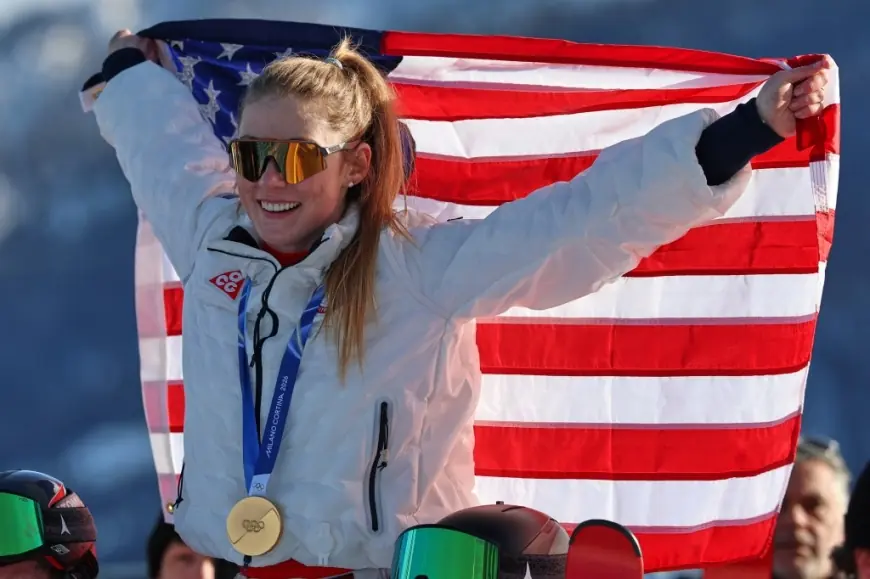
Opinion pieces and a veteran broadcaster’s column have reignited scrutiny of nbc olympics coverage, arguing that the Games are as much a prime-time entertainment product as a live sporting event. The debate matters because it shapes how viewers experience moments such as Mikaela Shiffrin’s slalom gold and Federica Brignone’s unlikely return to the top, and it affects athletes’ careers and earnings.
Nbc Olympics in the frame: packed highlights and competing narratives
A round-table of writers and an Olympic medalist celebrated the grit and grace on display in Milan while noting the unavoidable politics and storytelling of the Games. Panelists highlighted recent triumphs: Mikaela Shiffrin’s slalom victory and Federica Brignone’s comeback after a severe leg injury that included a broken tibia and fibula and a complete knee dislocation, followed by a return to gentle skiing and two gold medals. Those moments have been presented to audiences both as live competition and as crafted television moments.
Elsewhere, a veteran broadcaster offered a blunt reading of how the Winter Games are packaged for viewers, arguing that the event works best as a prime-time entertainment show aimed at smiling podium shots and dramatic edits. That framing points to tension between on-site experience and television presentation, and it raises questions about whose version of the Games dominates the narrative.
How the broadcast machine rearranges the day
Broadcasters routinely assemble highlights, interviews and packaged segments to suit prime-time viewing, often airing the most dramatic moments well after they occur. In practical terms, this means producers select standout performances, stitch them with commentary and place them in an entertainment-focused sequence that emphasizes emotional payoff over chronological order. The result is a show designed for maximum audience engagement rather than a minute-by-minute recreation of competition.
Further details were not immediately available.
Athletes, audiences and broadcasters feel the effects
The shift toward spectacle carries tangible consequences. For athletes it can amplify comebacks and expand marketability: one high-profile competitor was noted as a silver medalist in a freestyle event with an additional event still to come, and has amassed 2. 3 million Instagram followers and substantial endorsement income, totaling twenty-three million dollars in the previous year. For viewers the Games become a tightly edited evening program rather than a continuous live stream, shaping perceptions of who won and why. Broadcasters and veteran commentators face questions about authenticity and the balance between entertainment and sport.
Further details were not immediately available.
What this means going forward
The coverage debate is likely to persist as the Games continue and remaining events unfold. Attention now turns to the final competitions and to how broadcasters will present them, including the remaining event for the silver medalist still competing.