






















Amber Glenn Delivers a Redemptive Free Skate at Winter Olympics 2026 but Falls Short of a Medal

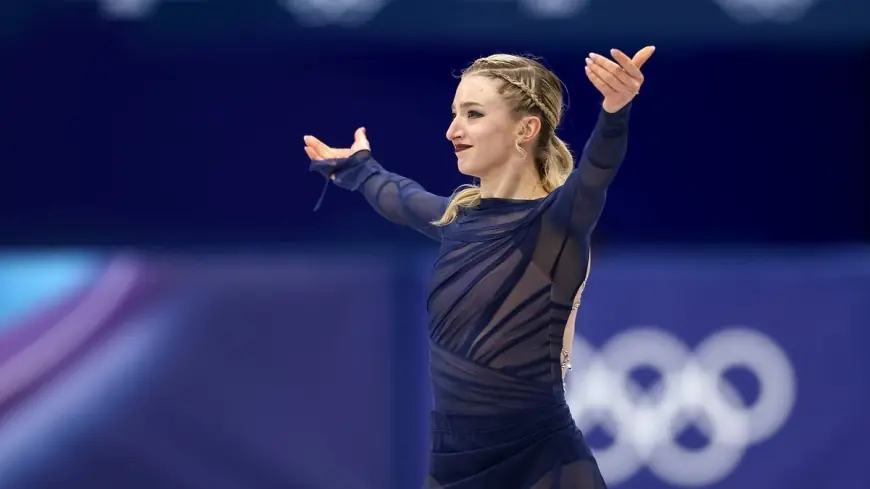
Amber Glenn produced a powerful free skate in Milan at the 2026 Winter Olympics, landing a triple Axel and posting a free-skate score of 147. 52 for a total of 214. 91, but her performance was not enough to move onto the podium and she finished fifth. The routine marked a rebound from a difficult short program and mattered as both a personal redemption and a high point for the U. S. contingent at these Games.
Amber Glenn’s performance: elements, scores and immediate outcome
Glenn entered the long program in 13th position after a short program that left her well off the leaders. Skating a medley that began with Audiomachine’s "I Will Find You" and moved into "The Return, " she opened the free skate with a triple Axel that drew a sustained reaction from the crowd. Her free-skate total was 147. 52; combined with a short-program score of 67. 39, her final mark was 214. 91, placing her fifth overall.
The short program had been a setback: she attempted a triple loop that was invalidated and scored 67. 39, which left her in 13th heading into the free skate. Glenn’s program components for the long program included a component score of 68. 65. At the end of her free skate she took the leader’s couch with 12 skaters remaining, but later skaters displaced her and she did not reach the podium. Alysa Liu won the gold medal with a score of 226. 79; Japan’s Kaori Sakamoto and Ami Nakai completed the podium with scores of 224. 90 and 219. 16, respectively.
Team dynamics, emotional arc and significance for the U. S. group
Glenn is the reigning U. S. champion and one of three U. S. skaters who drew widespread attention in Milan. The trio, who called themselves the "Blade Angels, " arrived together and helped lift expectations that an American might break the long medal drought in women’s Olympic figure skating. The U. S. still claimed the team gold at these Games, and Glenn also leaves with a team-event gold, but her individual campaign included both a high point in the free skate and earlier struggles in the team free-skate segment when she finished third in that element.
On the ice before her long program, Glenn displayed visible emotion and ritual—handing her coach his jacket and skating to center ice—followed by an intense focus during her routine. The night’s result netted a season-best international free-skate score, though she previously posted a higher free-skate mark at U. S. nationals earlier in the season.
Open questions, what remains unclear and realistic next steps
- Specifics of Glenn’s physical condition: she said she had felt heavy-legged and tired earlier in the competition, but the extent and cause of that fatigue are not detailed.
- How the team-event responsibilities affected her singles preparation is not fully described.
- Her immediate training and competition plans after the Olympics are not specified in the available facts.
- Possible scenarios going forward:
- Reflection and recovery: she could treat the Olympic long program as a confidence-building moment and focus on recovering physically and mentally from a demanding Olympic schedule.
- Technical refinement: using the successful triple Axel as a platform to refine other jump consistency and component work in subsequent competitions or training cycles.
- Program adjustments: she might reassess program construction and element layout to convert near-miss visits to the leader’s couch into medal contention in future events.
Each of these scenarios would be triggered by internal decisions about training and recovery, and by how Glenn and her coaching team evaluate the balance between technical risk and consistency after an Olympic campaign that included both a team gold and an individual finish short of the podium.
Why this matters: Glenn’s free skate illustrated both the highs and limits of a singular Olympic run. Landing a triple Axel on the sport’s biggest stage and earning a season-best free-skate score reaffirmed her competitive capabilities, while the overall result underscored how small mistakes and earlier setbacks can separate medalists from other top performers. For American figure skating, the Games provided a mix of affirmation—team gold and a gold medal for a teammate—and a reminder of how narrow margins determine individual Olympic outcomes.