






















New Uk Passport Rules Dual Citizenship: Nationals Face £589 Certificate or UK Passport

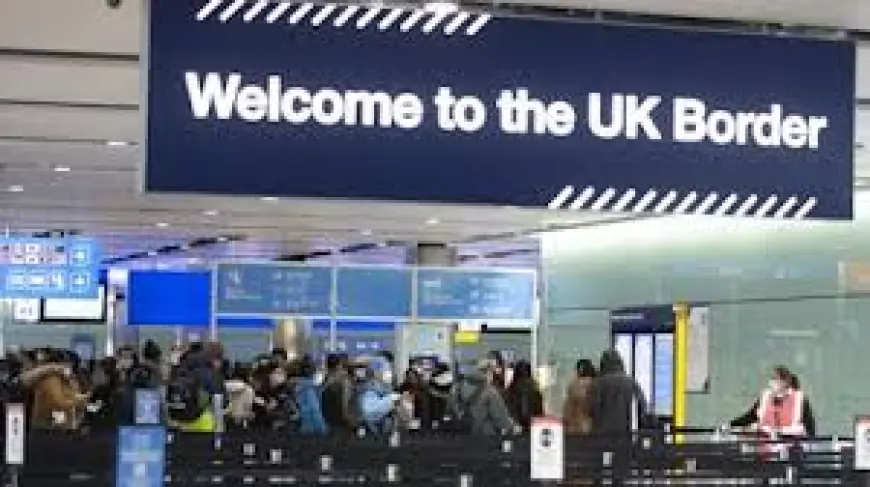
Uk Passport Rules Dual Citizenship now force British dual nationals to choose between holding a UK passport or securing a newly created certificate of entitlement priced at £589, a change that will take effect from 25 February (ET) and is already prompting concerns among long-term residents.
Uk Passport Rules Dual Citizenship: the headline changes
From 25 February (ET) dual nationals who normally travel on a foreign passport will no longer be able to use that document alone to return to the UK. They must present either a British passport or a certificate of entitlement attached to their non-British passport. Both documents are not automatically issued upon naturalisation and can take several weeks to obtain. The certificate carries a higher fee of £589, while a British passport costs around £100 for an adult.
The overhaul is linked to the rollout of an Electronic Travel Authorisation system for non-visa visitors. That online authorisation is a separate, lower-cost entry document priced at £16 for those eligible, but dual nationals cannot use the ETA and must meet the new documentation requirements instead. Airlines will now check documentation when passengers depart en route to the UK, creating the risk that some travellers may be denied boarding or entry if they lack the required British passport or certificate.
Practical impact and public concerns
Letters from people affected underline the practical and emotional fallout. One professional who has worked in the UK for decades says she is now obliged to pay £589 to return after visiting her native country because she does not hold a British passport. Others point out the anomaly that someone who retains only a foreign passport could use the £16 ETA, while a dual national in the same position faces the far costlier certificate requirement or the need to apply for a UK passport.
For many, the shift imposes unexpected costs and logistical hurdles. Some who obtained British citizenship years after living and working in the UK did so to secure voting rights or residence but never applied for a passport; under the new rules those choices now affect their ability to travel freely. The latest census in 2021 shows a sizable population with UK-other dual citizenship, underscoring how many people could be touched by the change.
What travellers should know now
The new regime adds steps and expense for dual nationals who travel on their non-British passports. The two immediate developments to note are the requirement for either a British passport or a certificate of entitlement costing £589, and the exclusion of dual nationals from the £16 ETA route. Processing times for passports and certificates, and the change to airline departure checks, mean travellers must plan well in advance to avoid being turned away when trying to return to the UK.
The measures have prompted calls highlighting inconsistencies and inequities: some say the policy penalises those who opted for dual citizenship, while others warn it amounts to a bureaucratic and financial burden. The full operational details of the certificate and the mechanics of airline checks are central to how disruptive the changes will be in practice.
As the new rules take effect from 25 February (ET), dual nationals are being urged to review their documentation options and timelines so they are not caught out by the tightened entry checks.