

























NASA Labels Boeing Starliner Test Failure a ‘Type A Mishap’ in Report

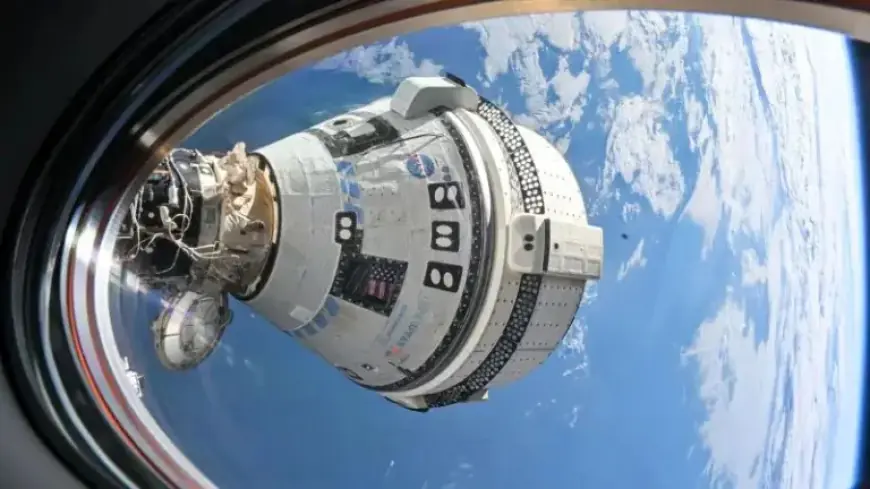
The recent investigation by NASA into Boeing’s Starliner test flight has unveiled alarming findings related to the spacecraft’s performance and safety protocols. The test flight, which was initially intended to ferry astronauts to the International Space Station (ISS), had significant issues that raised questions about NASA’s oversight practices and the overall culture of commercial human spaceflight.
Nasa Classifies Starliner Test Flight as ‘Type A Mishap’
As a result of the investigation, the Starliner incident has been officially classified as a “Type A” mishap. This designation is used by NASA for incidents involving over $2 million in damages, loss of life, or the destruction of a vehicle. Previous NASA tragedies, such as the Columbia and Challenger disasters, also fall under this classification.
Issues with the Starliner Spacecraft
- Critically flawed propulsion system
- Helium leaks and thruster outages during the test flight
- Protracted delays in the crewed mission timeline
Nasa Administrator Jared Isaacman emphasized that the decision-making behind the flight was deeply flawed and unprofessional. Issues noted include the failure to adequately investigate the root causes of the Starliner’s problems and the overall treatment of the astronauts while on their extended mission.
The Astronauts’ Experience
Duriing their extended stay aboard the ISS, NASA astronauts Suni Williams and Butch Wilmore faced unexpected challenges. Their mission, meant to last about a week, turned into a nine-month ordeal. Rather than returning on Starliner, they were eventually rotated to Earth using a SpaceX capsule due to safety concerns.
Criticism of Boeing and NASA’s Protocols
The report highlights significant cultural shortcomings within Boeing and NASA’s joint endeavors. Isaacman noted the unprofessional atmosphere during critical meetings, mentioning that disagreements led to emotional outbursts among colleagues.
Boeing’s Commitment to Improvement
In light of these findings, Boeing has expressed its commitment to corrective actions and improving its workplace culture. The aerospace company continues to address technical challenges and aims to align with NASA’s expectations for future missions.
Implications for Future Space Missions
As NASA prepares for its next significant mission, Artemis II, the report raises concerns about oversight protocols. Isaacman reassured that approaches and systems in place for Artemis II differ significantly from those used in the Starliner program.
NASA’s Artemis program promises to send humans into deep space for the first time in over five decades. With heightened scrutiny and a commitment to safety, both NASA and Boeing are under pressure to restore confidence in their human spaceflight initiatives.