




















NASA Report Details Boeing’s Space Mishap Stranding Astronauts

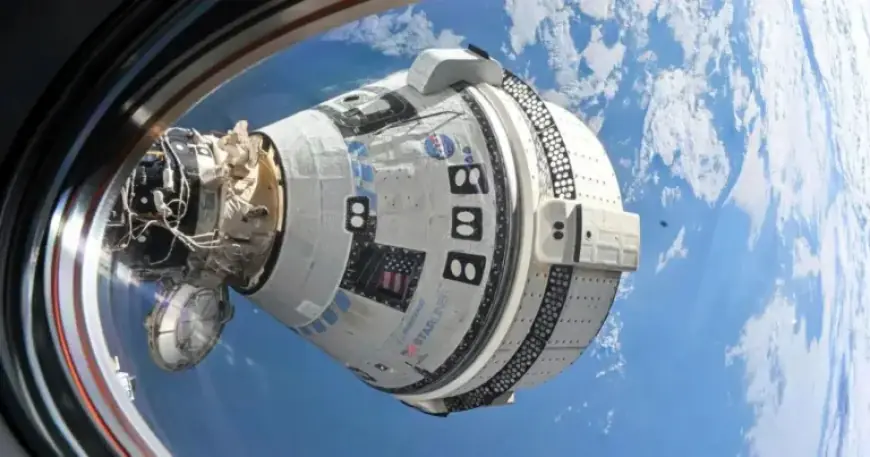
Nasa has recently released an investigative report detailing a significant mishap involving Boeing’s Starliner spacecraft, which resulted in two astronauts being stranded at the International Space Station (ISS) for several months. This incident raised serious concerns regarding both NASA and Boeing, highlighting inadequacies in testing and severe communication failures.
Boeing’s Space Mishap Overview
The flight, designated as a test mission, was launched in June 2024 with astronauts Butch Wilmore and Suni Williams aboard. Initially intended to last about eight days, the mission faced complications shortly after takeoff. Notably, helium leaks were detected in the capsule’s propulsion system, followed by thruster malfunctions during docking maneuvers with the ISS.
Key Findings from the Investigation
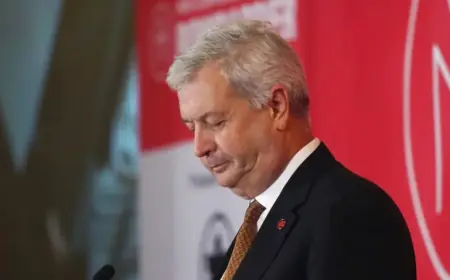
The NASA report categorized the event as a “Type A mishap,” the agency’s most serious classification, comparable to the Columbia disaster in 2003. NASA Administrator Jared Isaacman stated that although the crew returned safely, the mission’s execution did not reflect the organization’s best practices, fostering a “culture of mistrust.” He emphasized that both NASA and Boeing shared accountability for the incident.
- Astronauts Involved: Butch Wilmore and Suni Williams
- Launch Date: June 2024
- Duration of Stranding: Over nine months
- Safety Classification: Type A mishap
Administrative Responses
In light of these findings, NASA has committed to implementing corrective actions. The report indicates that Boeing has also made significant advancements in addressing the technical challenges it faced. Associate NASA Administrator Amit Kshatriya noted that NASA’s actions had endangered the astronauts and stressed the necessity of accountability moving forward.
Return of the Astronauts
To bring Wilmore and Williams back to Earth, NASA enlisted SpaceX, which successfully transported them alongside fellow astronauts Nick Hague and Russian cosmonaut Aleksandr Gorbunov. They landed safely in March.
Astronauts’ Careers and Boeing’s Challenges
Following their missions, Wilmore announced his retirement in August 2024 after 25 years with 464 days in space. Williams, who has logged 608 days, announced her retirement a month later.
Boeing’s Starliner program has encountered various challenges since its inception. Previous setbacks include an uncrewed debut flight in 2019 that was cut short due to software issues, alongside fuel valve problems that led to delays. Comparatively, SpaceX’s Crew Dragon spacecraft has completed multiple successful missions since 2020 as part of NASA’s Commercial Crew Program, launched to facilitate privately-built space vehicles.
Future Directions for the Starliner Program
NASA officials are currently collaborating with Boeing to modify the Starliner’s thrusters, ensuring that all technical issues are thoroughly understood and addressed before any future crewed flights take place. Isaacman reiterated that no more flights would occur until these critical improvements are made.
This report serves as a stark reminder of the inherent risks involved in space exploration and the need for unyielding standards in safety and communication in aerospace endeavors.