

























Cnn data alarm as Trump’s approval plummets and midterms strategy shows cracks

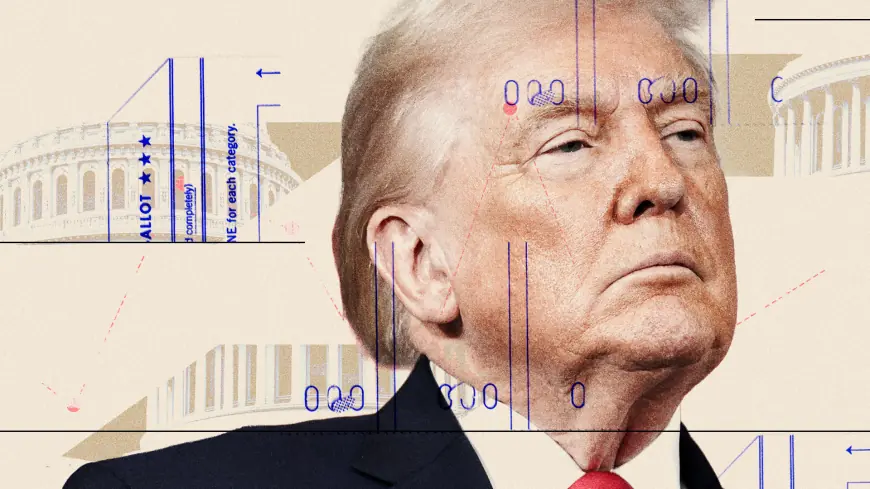
analysis and multiple new polls underline a sharp deterioration in President Trump’s standing, as Republican operatives confront mounting evidence that the coalition that won the presidency in 2024 may not hold for the 2026 midterms.
data guru flags no clear floor as approval sinks
Polling aggregates place the president’s approval at 41%, its lowest level in nearly a year, while four separate polls tracked on President’s Day hit the lowest points of his second term. A prominent data analyst warned that the president’s political brand may not have a reliable floor, noting results that leave him nearly 20 points underwater in one tracking poll and nearly 23 points net negative in another tracking series.
Those same trackers show that, at a comparable moment in a prior presidency, the other president averaged approval ratings roughly four points higher, a contrast that officials find worrying as the midterms approach. Public confidence in the economy remains weak, and immigration enforcement views have turned against the administration: one survey found six in 10 Americans hold an unfavorable view of immigration enforcement, and more than half believe the president has gone too far on deportations and restricting legal immigration.
Campaign blitz, private strategy talks and special-election losses deepen GOP concern
Responding to the slump, the president has launched a campaign-style blitz, traveling with the vice president to deliver economic addresses and sending Cabinet officials to highlight the administration’s record. Inside the political operation, senior advisers including the White House chief of staff and her deputy have been enlisted to vet strategy, and a group of campaign veterans and pollsters convened at a private Capitol Hill meeting to map out the path forward.
Republicans are also digesting a string of Democratic gains in special elections: nine seat flips in districts the president carried in 2024 have rattled lawmakers who earlier felt secure in their majorities. Party strategists emphasize that the two most consequential factors for midterm outcomes are the president’s approval and voter sentiment about the economy—both trends that are moving unfavorably.
In public and private remarks, senior staffers have signaled an intent to put the president back on the ballot, arguing that low-propensity voters who turned out in 2024 remain part of the Republican coalition. But analysts and campaign watchers note those same voter groups have soured on the president in office and may either stay home or be motivated to vote against the president’s party.
Data-driven risks complicate the pathway to defending congressional majorities
The convergence of weak approval ratings, poor economic perceptions, and troubling poll numbers on immigration enforcement is reshaping the midterm map. Data specialists point to multi-poll weakness across different trackers, with notable underperformance in a long-running state university tracking poll and three other high-profile surveys. Those readings, combined with recent special-election seat flips, have created a political environment where projections now favor the opposition making gains in both chambers.
For Republicans, the question is twofold: whether the president’s campaign energy can re-mobilize the low-propensity voters who powered the 2024 victory and whether negative views on core governable issues can be reversed before ballots are cast. With private strategy sessions underway and an intensified public schedule, the operation is effectively treating the midterms as a high-stakes extension of the last presidential campaign—but recent polling and election results suggest the path is narrowing.
The coming months will test whether the administration’s tactical adjustments and a renewed emphasis on turnout can offset the deepening data trends that prompted the warning: if the president’s approval continues to slide and the electorate’s economic and immigration concerns remain unresolved, defending both House and Senate majorities will become a steeper climb.