























Keely Hodgkinson breaks long-standing indoor 800m world record in Liévin with 1:54.87

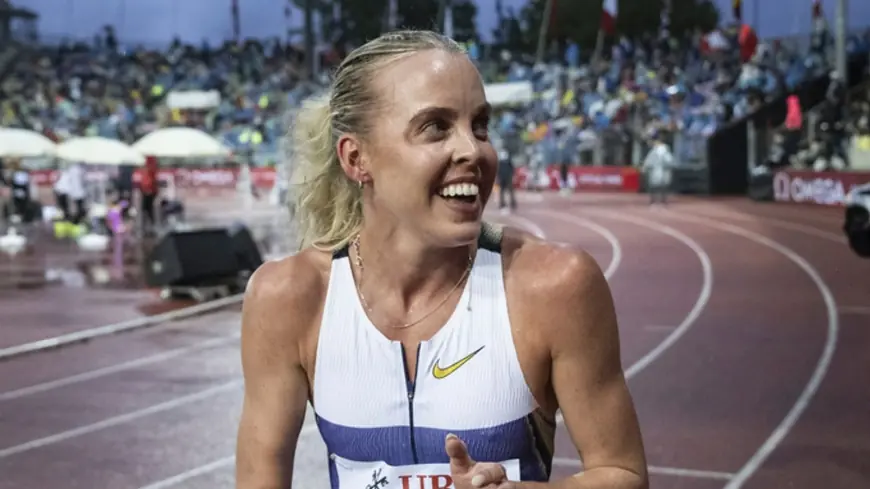
Olympic champion Keely Hodgkinson set a new women's indoor 800m world record in Liévin, crossing the line in 1: 54. 87 and cutting nearly a second from a 24-year-old standard. The run capped a rapid early-season rise and underlined her return after serious hamstring setbacks.
Keely Hodgkinson: What happened and what's new
Keely Hodgkinson ran 1: 54. 87 at a European indoor meeting in Liévin, beating the previous world indoor best of 1: 55. 82 that had stood since 3 March 2002. She reached 400m in 55. 56 seconds and then moved clear, staying ahead of the green wavelights representing the target time on the inside of the track. A pacemaker, Poland's Anna Gryc, had been given a halfway split of 55. 8 seconds to set up the effort.
The 23-year-old Olympic champion had opened her indoor season five days earlier with a British-leading 1: 56. 33 at the national indoor championships and had said she planned to chase the record rather than only race for position. After crossing the line in Liévin, Hodgkinson acknowledged the achievement in a trackside interview and accepted ceremonial recognition on the track.
The mark makes Hodgkinson one of the few current British world-record holders in championship events, joining a triple jumper who holds a comparable distinction in the sport's record books. Hodgkinson had previously broken a rarely contested 600m record during an earlier indoor season three years ago.
Behind the headline: context, incentives and stakeholders
Hodgkinson had long signalled ambition for the indoor 800m mark: she had planned to target the record at her own branded event before two serious hamstring injuries disrupted that plan in the intervening season. Those injuries required time in the gym and a focus on rebuilding strength and power, earning her a training-group nickname that reflected those gains.
Her recent national performance and the tactical setup in Liévin — including a designated pacemaker and the use of paced wavelights — created conditions explicitly aimed at producing a very fast time. Stakeholders with clear upside include Hodgkinson herself and British middle-distance athletics more broadly, which gains a high-profile world record. Competitors in the event were set to benefit from a deep field and fast pacing that pushed multiple athletes to quick times.
What we still don't know
- How Hodgkinson will carry this performance into major upcoming championships and whether she will target further records.
- How replication of this time might compare under different pacing conditions, without wavelights or with different pacemaker strategies.
- The longer-term management plan for her hamstring health over the remainder of the season.
- Which rivals will adjust plans in response to this new benchmark.
What happens next
- Consolidation and championships focus: Hodgkinson could use this performance as momentum into the indoor championship calendar; a strong showing there would confirm form as consistent rather than a single peak.
- Selective pacing targets: she might aim at further paced opportunities to test limits over the short track, with event organisers offering setups similar to Liévin as triggers.
- Managed season for durability: coaching and medical teams may prioritise controlled race selection and rehabilitation windows to protect her hamstrings while preserving competitive opportunities.
- Competitive responses: rival athletes may alter race schedules to seek head-to-head opportunities or to chase time-focused meets where pacemaking is available.
Why it matters
On a practical level, the new record shifts the benchmark for the women's indoor 800m and raises expectations for championship fields this indoor season. For Hodgkinson personally, the run is a milestone in a comeback narrative that included two significant hamstring injuries and a lengthy wait to race as Olympic champion; it also positions her as a central figure in middle-distance racing this year. For the sport, the performance underscores how pacing strategies and specific meet conditions can accelerate record attempts, while renewing attention on how athletes balance peak performances with injury management.
Near-term implications include heightened attention on upcoming indoor championships and possible re-evaluations of how competitors and meet organisers craft pacing and race conditions to pursue fast times.