

























dire wolf siblings Romulus and Remus hit new pack milestones as revival effort advances

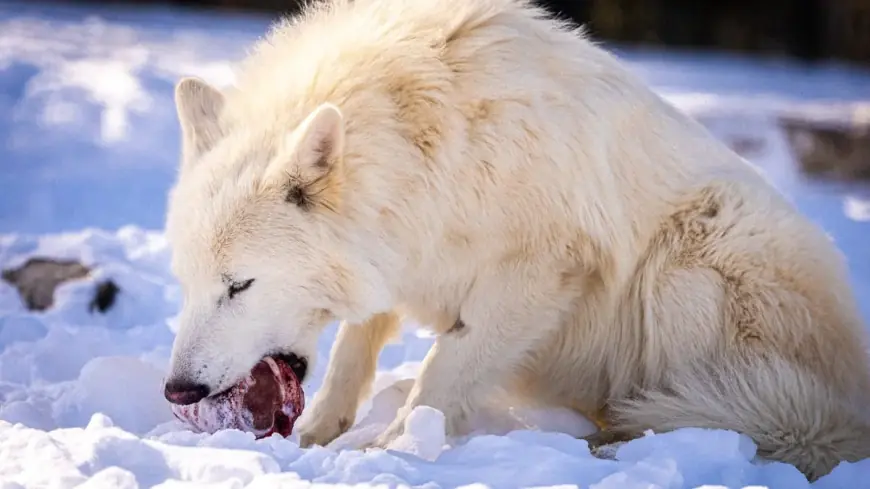
Two of the first modern-era dire wolves are leaving puppyhood behind and stepping into the social and hunting routines of a developing pack. Born Oct. 1, 2024 (ET), Romulus and Remus are roughly 16 months old and have crossed several practical milestones as caretakers manage their transition from captive pups to independent predators on a 2, 000-plus acre preserve.
New hunting behaviors and a first large meal mark maturation
The brothers have graduated from chasing small quarry to taking part in larger feeding exercises. After practicing pursuit and capture on rodents and rabbits that entered their enclosure, the pair was allowed to dine on a deer carcass for the first time—an intentional step to test and encourage natural feeding and tearing behaviors. Care staff describe their pursuit skills as strong but still refining the killing technique characteristic of fully grown predators; handlers staged earlier practice runs to build coordination and confidence.
Physical development is proceeding on a multi-year timeline: the animals continue to fill out and are not expected to reach full size until about age three. Distinct differences between the brothers are already evident—Romulus is broader and stockier, while Remus is taller and lankier—and those differences are shaping how each moves across the landscape and approaches prey. Measured feedings, staged hunting drills and supervised access to larger carcasses are all being used to accelerate hunting proficiency while maintaining safety.
Pack dynamics, safety protocols and plans for growth
The two males now live with a younger female named Khaleesi, who was born in January 2025 (ET). Observers have noted play, social testing and early bond formation among the trio in supervised settings. Introducing multiple individuals forms part of a deliberate plan to study natural pack behavior in a managed habitat, and staff stress that these interactions are being staged and monitored to avoid risky or disruptive outcomes.
Handlers emphasize that the animals do not behave like domestic dogs. Familiarity from routine feeding makes the wolves tolerant of human presence during caretaking duties, but wild predatory instincts remain strong—sudden movement within the enclosure can trigger pursuit and a rapid predatory response. Daily work focuses on strict safety protocols: controlled social introductions, careful entry procedures for staff, and management of stimuli that could provoke high-speed chases. More pups are already in development as part of a longer-term plan to expand the group and study social structure across additional litters.
The preserve where the animals live spans more than 2, 000 acres, a scale designed to let them hone hunting techniques while enabling caretakers to retain oversight. As the siblings approach adulthood, their progress will be watched for animal welfare and for broader insights into how revived or closely reconstructed species behave when given space to express natural behaviors in semi-natural settings.
Revival effort reaches a new phase
The maturation of Romulus and Remus represents a milestone for the broader revival effort that produced them. The program, which moved fertilized dire wolf eggs into surrogate dog mothers, has advanced from initial births to managing multi-animal social groups and staged hunting exercises. Those operational steps—births on Oct. 1, 2024 (ET), the recent introduction of a deer carcass feeding and the addition of a January 2025 (ET) female companion—show the project moving from solitary rearing into active pack ecology.
For now, the emphasis remains on responsible husbandry: refined feeding schedules, supervised socialization, and incremental increases in autonomy for the animals as they grow. Observers will continue to track hunting proficiency, social bonds and physical growth over the coming years to gauge how these reconstructed predators integrate natural behaviors within a managed landscape.