
























Iftar Time 2026: Saudi Arabia Confirms Start of Ramadan After Crescent Sighting

Iftar Time 2026 arrives as Saudi authorities verified the crescent sighting and set the first full day of fasting for Wednesday, Feb. 18, 2026 (ET). The confirmation follows the moon-sighting event on Tuesday, Feb. 17, 2026 (ET), and establishes local suhoor and iftar schedules for millions preparing for the holy month.
Iftar Time 2026: Daily schedules and fasting lengths
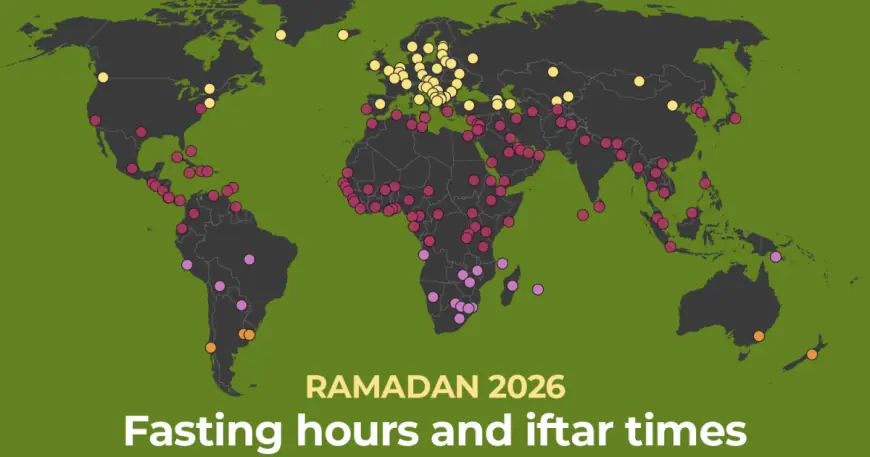
The dawn-to-dusk fast this year will last anywhere from 11. 5 to 15. 5 hours depending on location. On the first day, many places in the Northern Hemisphere will observe shorter fasts of about 12 to 13 hours, while some southern countries will record longer fasts of about 14 to 15 hours. Across most locations, a typical daily pattern will include waking for suhoor before dawn, refraining from eating and drinking through daylight hours, and breaking the fast at iftar at sunset. The month itself will run 29 or 30 days, meaning local suhoor and iftar times will shift daily within that window.
Crescent sighting and Saudi confirmation set the calendar
Moon spotters verified the waxing crescent on Tuesday, Feb. 17, 2026 (ET), triggering the formal start of the month at sundown that day and the first daytime fast on Wednesday, Feb. 18, 2026 (ET). This verification is the concrete development that communities use to finalize when suhoor ends and iftar begins locally. The practice of confirming the thin crescent remains the determining step for establishing the start of Ramadan, and this year the sighting led directly to the announced start dates for observant communities.
Fasting this month entails abstaining from eating, drinking, smoking and sexual relations during daylight hours, with the goal of increasing spiritual discipline. The span of daylight hours — and therefore the timing of suhoor and iftar each day — varies by hemisphere and by latitude. For most of the Northern Hemisphere, this Ramadan will feature shorter fasting hours that are expected to decrease further in the coming years until the winter solstice of 2031. Conversely, those in southern latitudes can expect longer daylight fasts than in the previous year.
Community rhythms will be shaped by the confirmed start: families and groups arranging daily iftar gatherings, local mosques setting nightly prayer routines, and meal preparations timed around the announced suhoor and iftar windows. Practical schedules for the first and last days of the month are commonly published in table form so residents can look up exact suhoor and iftar clock times for their city.
Looking ahead: end of the month and key observances
Ramadan will continue for 29 or 30 days, concluding with the festival that follows the month. The celebration marking the end of the fast is likely to begin on the night of March 18, 2026 (ET). Communities will observe that conclusion with a communal prayer in the morning and celebratory gatherings, following the month of daytime fasting, nightly worship and charitable acts. As always, exemptions exist for those unable to fast for health or other reasons, and those individuals typically participate in other aspects of the month’s observances.
With the crescent sighting confirmed and the official start set, mosques, families and individuals are now finalizing timetables for suhoor and iftar. Iftar Time 2026 will therefore be observed across diverse time zones with significant variation in daily fasting lengths, reflecting the range of daylight hours around the globe during this lunar month.