



















Peter Greene Cause of Death Ruled Accidental After Medical Examiner Finds Gunshot Wound to Left Armpit

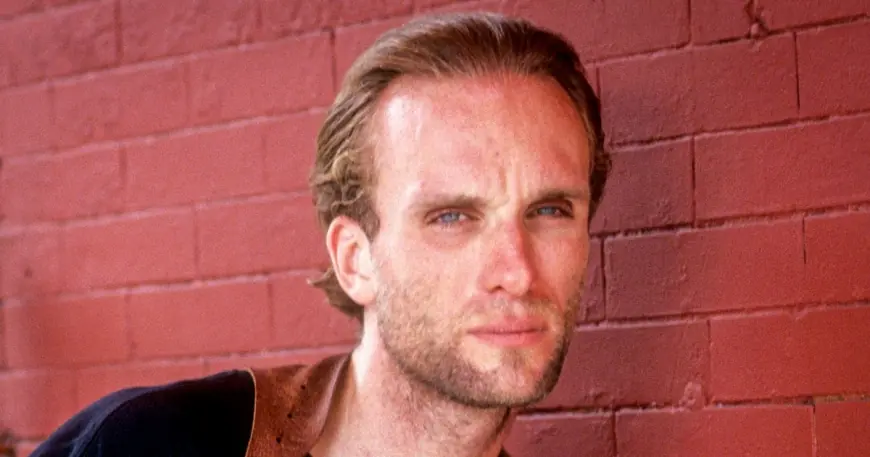
Peter Greene's death has been ruled an accidental shooting, the New York City medical examiner said, more than two months after the actor was found dead in his Manhattan apartment.
Peter Greene's medical examiner finding: gunshot wound to left axilla
The medical examiner determined the immediate cause of death was a gunshot wound to the left axilla — the left armpit — with injury to the brachial artery. The office listed the manner of death as an accident and provided no additional detail about how the injury occurred.
Located in Lower East Side apartment; projects in progress at time of death
Authorities found Greene deceased in his Lower East Side apartment on Dec. 12 (ET). At the time of his death he was 60 years old and, his manager Gregg Edwards, was working on two projects, including a documentary about the federal government's withdrawal of funding from the U. S. Agency for International Development. The disclosures about his pending work came after the medical examiner released its determination.
Legacy tied to memorable villain roles
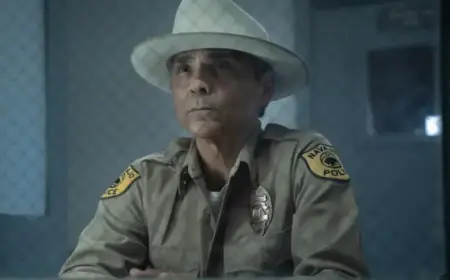
Greene was widely recognized for memorable portrayals of antagonists, most notably the violent character Zed in Pulp Fiction. Coverage of the medical examiner's findings reiterates that the death was accidental and centers on the specific wound and vascular injury that proved fatal.
The new conclusions from the medical examiner clarify the medical cause and manner of death after a period of public uncertainty. With the case now closed as an accidental shooting, attention has shifted to the projects Greene left unfinished and the circumstances surrounding the presence of a firearm in his apartment.
Family, colleagues and collaborators who were aware of his work in progress may now consider how to address the projects he was developing, including the documentary referenced by his manager. The medical examiner's concise ruling provides a medical explanation for his death while leaving open broader questions about the events that led to the wound.