


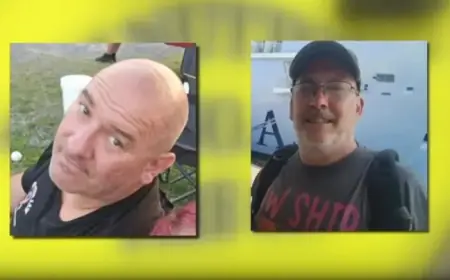






















susan hamblin draws renewed scrutiny after name appears in released Epstein files


Newly released documents connected to Jeffrey Epstein have put the name susan hamblin back in the spotlight, after an exchange in the files included a message that some lawmakers and observers say warrants further review. The claim has prompted fresh scrutiny, confusion over identity, and renewed debate about how to treat people identified in the archives.
What surfaced in the released files
The tranche of documents released by the Justice Department contains an email addressed to Jeffrey Epstein that includes the line, “Thank you for a fun night…Your littlest girl was a little naughty. ” In the version of the documents made public, the name in the message was redacted. A member of Congress later identified the sender by name in a social media post and urged investigators to re-examine the matter.
The lawmaker asserted that the person named had previously entered a plea deal and been designated a “victim” under earlier Justice Department determinations, and suggested that files bearing her name raise other questions that merit scrutiny. The claim that the named person engaged in specific misconduct in the files has not been independently verified.
Who is susan hamblin — what is known and what remains unclear
The name susan hamblin appears in public coverage tied to the recently released material, but multiple individuals with that name have surfaced in open records and past reporting, creating uncertainty about identity. One woman with that name is known from previous coverage as a financial adviser who successfully pursued a libel case, while another has been connected in public records with an adoption-related organization in Washington state. Open-source information does not establish that these references point to the same person.
Some public discussion has also referenced earlier unverified claims that an individual named Susan Hamblin sent troubling messages to Epstein that included provocative language such as granting “permission to kill. ” Those assertions remain unproven in the released record and have not been corroborated by independent documentation. Similarly, a photo spread from a prior year that listed names alongside images has been revisited by researchers combing the files, but images and captions alone do not clarify the contours of any alleged conduct.
Because names were redacted in portions of the documents and because multiple people share the same name, establishing who is referenced in specific messages requires careful corroboration. Law enforcement records, direct testimony and contemporaneous documentation play a central role in that process, and the public record available so far is incomplete.
Reactions and possible next steps
The release has prompted a range of responses. Some observers urged caution, noting that individuals who have been abused or groomed may later appear in documents in ways that complicate simplistic judgments about culpability. Others expressed revulsion at language in the email excerpts and demanded that investigators examine whether prior legal decisions appropriately accounted for all relevant evidence.
Meanwhile, the lawmaker who named susan hamblin has called for renewed inquiry by federal authorities, arguing that the redactions should not allow potentially significant conduct to remain concealed. It is unclear whether investigators will reopen aspects of earlier investigations based on the newly available files. The claim about who authored the email and the assertions tied to it could not be independently verified at the time of publication.
As the files continue to be reviewed by journalists, researchers and lawmakers, the central questions are likely to remain focused on identity verification, the context of individual communications, and whether any prosecutable conduct was overlooked or mischaracterized in earlier proceedings. For now, the record shows a name appearing in a high-profile archive and a public call for further scrutiny, while concrete conclusions about responsibility and involvement have yet to be established.