



















New Orleans embraces fat tuesday with parades, costumes and coveted Zulu coconuts

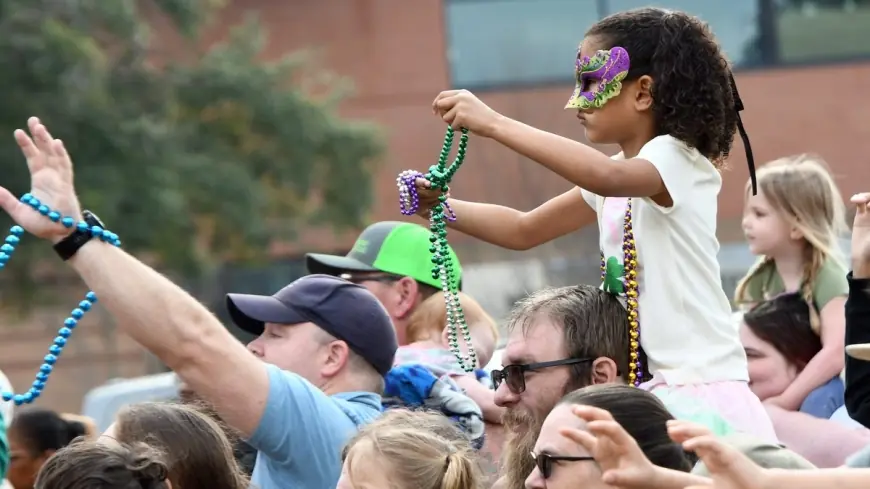
Thousands of revelers filled St. Charles Avenue and the French Quarter as Mardi Gras — Fat Tuesday — brought Carnival to a raucous close. Floats, marching bands and elaborate costumes turned the city into a stage for one last day of indulgence and spectacle before Ash Wednesday and the start of Lent.
Streets come alive from dawn on St. Charles Avenue
The party began at first light, with crowds staking out spots, setting up chairs, coolers and ladders for the best vantage points. People leaned out of wrought-iron balconies and shouted the signature call, "Throw me something, Mister, " as a steady stream of floats passed. Bands blared brass and percussion that echoed through the neighborhoods while parade-goers danced, waved and traded beads and trinkets.
Outfits ran the gamut from sequined extravagance to handcrafted pastiche. Some parade-goers wore full-length ceremonial costumes with feathered headdresses and intricate beading; others embraced the whimsical — a man dressed as a crawfish, complete with red fabric claws, drew laughs when he proudly waved a glittered coconut after catching a coveted toss.
Throws, traditions and a high-profile moment
Each krewe brought its signature "throws": plastic beads, doubloons, stuffed toys, cups and candy. The prized hand-decorated coconut tossed by the Zulu krewe glinted in the sunlight and remains a highlight for many onlookers. People scrambled and cheered for these keepsakes — tangible proof of a day built on generosity and playful competition.
Amid the revelry, a circulating video showed a high-profile arrest during the day’s celebrations, briefly shifting attention. Still, most attendees focused on music, food and costumes. The mood was summed up by longtime local reveler Sue Mennino, who wore an Egyptian-inspired costume with a gold headpiece and electric blue eyeshadow: "The world will be here tomorrow, but today is a day off and a time to party. " She and her husband, both in floor-length ensembles, said they have long made Fat Tuesday a time to walk the French Quarter and take in the creativity of the crowds.
From rural runs to international traditions, the good times roll
Mardi Gras festivities extended beyond New Orleans. Across the state, private balls, parades and the rural Courir de Mardi Gras — a boisterous Fat Tuesday run where costumed participants collect ingredients for a communal gumbo — carried forward regional customs. Nearby Gulf Coast cities held their own parades, and Carnival-style celebrations around the world continued the festive spirit, from elaborate street processions to quirky local competitions.
One unusual tradition pits towns in a light-hearted international rivalry: a Pancake Day contest between women from two distant communities. Pancakes recall the practice of using up rich ingredients before the fasting of Lent, highlighting how Mardi Gras mixes solemn religious roots with communal celebration.
As dusk fell over the city, the revelers’ energy began to wane but the sense of a communal send-off remained. For many, Fat Tuesday is not only the last day to indulge before Lent but a cultural touchstone — an annual chance to dress up, dance in the streets and claim a small trophy, be it a string of beads or a glittering coconut, to remember another year’s celebration.