





















Short Program Shake-Up Sets Direction for womens figure skating medals

The short program in Milan and Cortina reshuffled expectations for womens figure skating medals, with Japan's Ami Nakai and Kaori Sakamoto sitting first and second and Alysa Liu delivering a composed performance that left her third. The free skate on Thursday (ET) will be decisive, offering skaters a final chance to climb the leaderboard or salvage an Olympic debut.
Top contenders after the short program
The technical-rich short program produced tight margins at the top. Ami Nakai posted the session's highest mark, 78. 71, followed by Kaori Sakamoto with 77. 23. Alysa Liu scored 76. 59 for a display that judges and the crowd judged nearly flawless — a routine that mixed difficult jump combinations with clean lines and poise. Those three are the immediate frontrunners for podium positions heading into the free skate.
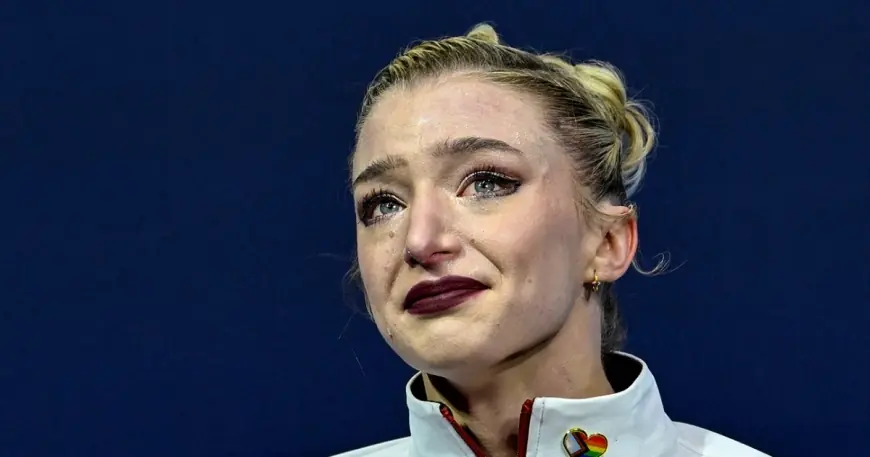
Behind them, several skaters remain within striking distance, and the free skate — which generally carries greater scoring potential — could reshuffle the order. Isabeau Levito made a memorable Olympic debut, enchanting the crowd with her spins and extensions and leaving herself in eighth place after the short. The contrast in fortunes was stark for other competitors: Amber Glenn delivered a triple axel but later underrotated what was meant to be a triple loop, a mistake marked as an invalid element and scored as zero for that element. The error dropped her to 13th and left her visibly upset as she left the ice.
What Thursday's free skate (ET) will decide
The free skate on Thursday (ET) will be the deciding act for womens figure skating medals. With the long program offering more elements and higher base values, skaters who are trailing after the short have realistic pathways to the podium if they produce clean, technically ambitious performances. Alysa Liu enters the long program as the strongest American medal prospect; her short program combined technical difficulty with calm execution, and she has expressed a mindset of being comfortable in the moment regardless of outcome.
For skaters like Amber Glenn, Thursday is an opportunity for redemption. A zeroed element in the short is a heavy handicap, but a near-flawless free skate with difficult jumps and high component marks can still lift a skater's final placement significantly. Isabeau Levito's debut momentum could carry her upward if she capitalizes on her strengths in the long program.
Medal scenarios and the wider picture
Several realistic scenarios exist for how womens figure skating medals might fall. If the top three from the short maintain composure and land their planned technical content, the podium could mirror the current standings, with Nakai and Sakamoto likely to contest gold and Liu challenging for a medal. Alternatively, a standout long program from any skater ranked below the top three could disrupt that script; the long program rewards stamina, choreography, and higher base values that can eclipse a modest short program deficit.
There is added narrative weight for the United States: an American woman has not won Olympic gold in the singles event in more than two decades. That historical gap gives extra significance to Liu's position and to any peak performances by other American entrants. Meanwhile, national depth from other countries means the podium is not guaranteed for any single team; the free skate will sort ambition from execution.
Thursday (ET) promises high drama. With medals on the line, skaters will need to balance technical daring with clean execution and strong presentation marks. The short program set the scene; the free skate will write the final chapter for womens figure skating medals at this Games.
![Florida Panthers Face Off Against [Team Name] on April 4, 2026](https://www.filmogaz.com/uploads/images/202604/image_430x256_69d2395a47e1f.webp)