


















2026 Winter Olympics Ice Hockey: How the Milano Cortina Tournament Works, What’s at Stake, and What to Watch Next

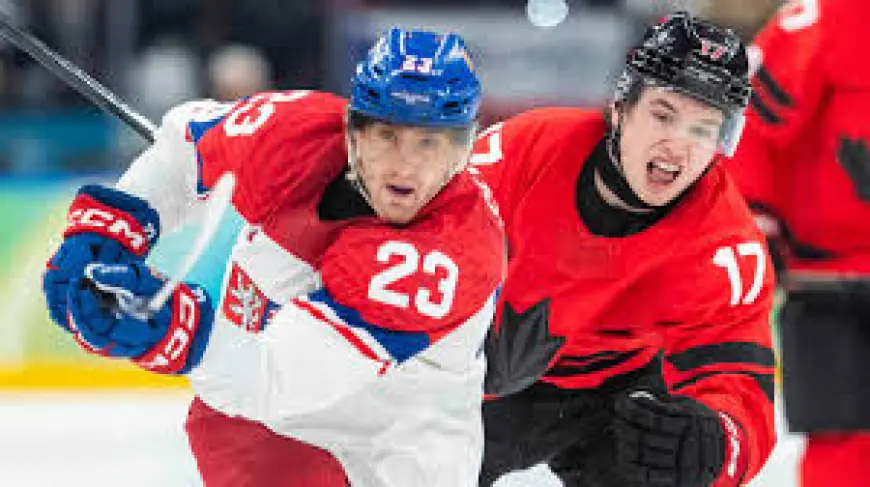
Men’s and women’s ice hockey at the 2026 Winter Olympics in Milano Cortina is back in the spotlight because the sport’s Olympic format rewards two things at once: high-end star power and short-tournament survival skills. In a single-elimination bracket, one bad period can end a medal dream, while one hot goalie or one dominant special-teams unit can carry a team far beyond expectations.
Even before medals are decided, Olympic hockey tends to shape the entire Games narrative. It’s fast, it’s emotional, and it’s one of the few Olympic events where national identity and professional rivalry collide on the same sheet of ice.
What happens in Olympic ice hockey at the 2026 Winter Games
The Olympic hockey tournaments are built around a group stage that seeds teams into a knockout bracket. The exact number of teams and the precise bracket mechanics can vary across editions, but the logic stays consistent:
-
Teams play a short round-robin group stage.
-
Results determine seeding and, in many formats, whether a team gets a direct path into the quarterfinals or must play a qualification round.
-
From the quarterfinals onward, it’s win-or-go-home until the medal games.
That structure creates a constant tension: favorites want to secure a smooth bracket early, while underdogs want to simply stay close long enough for the pressure to flip onto the opponent.
Behind the headline: why Olympic hockey is different from the sport’s other major tournaments
Olympic hockey compresses risk.
In a longer competition, the best teams often separate because depth wins over time. At the Olympics, depth still matters, but timing matters more. A single overtime bounce can decide a quarterfinal, and a single power play can swing a semifinal.
That’s why incentives look different for every stakeholder:
-
Coaches often prioritize mistake avoidance and special-teams discipline early, then let talent take over once the bracket arrives.
-
Star players feel a rare kind of pressure, because Olympic opportunities are limited and careers are judged by moments, not possession stats.
-
Smaller hockey nations treat the group stage as a survival test designed to earn one shot at a giant.
The second-order effect is that Olympic hockey becomes a laboratory for styles. Some teams lean into speed and transition. Others lock down the neutral zone and force games into low-event grindfests.
What to watch for in Milano Cortina 2026 hockey
Special teams and discipline
In a tight tournament, power plays are often the difference between gold and heartbreak. Teams that draw penalties without taking them can tilt entire games without outshooting anyone.
Goaltending volatility
Olympic brackets reward goaltenders who can steal a single game. A team can look ordinary in the group stage, then ride elite goaltending through two knockout rounds and suddenly be playing for a medal.
Line chemistry under time pressure
Because the tournament is short, coaches have less time to experiment. If a top line doesn’t click early, the team may not have enough runway to find answers.
The fatigue curve
Once the bracket begins, recovery becomes competitive advantage. The teams that spend fewer minutes chasing games tend to have more legs late in the third period when medals are on the line.
What we still don’t know, and why that matters
Olympic hockey conversations often hinge on roster availability and eligibility rules, which can change the tournament’s competitive balance dramatically. When the best players are present, the favorites look heavier, faster, and more clinical. When they’re not, the field compresses and the upset probability spikes.
There are also practical unknowns that only become clear as the tournament progresses:
-
Which teams can consistently generate high-danger chances at even strength
-
Which defenses can handle sustained forecheck pressure
-
Whether officiating trends tighten or loosen as the medal round arrives
What happens next: realistic paths and triggers
-
A favorite asserts control if it gets early leads and forces opponents to open up, turning the ice into a track meet.
-
An underdog breaks through if it keeps games to one goal, wins the special-teams battle, and gets a goaltending edge.
-
The tournament swings on overtime if several quarterfinals reach extra time, where one play becomes the entire story.
-
A surprise finalist emerges if a mid-tier team gets bracket luck and peaks for two games in a row.
Why it matters
Olympic hockey is more than a medal table entry. It’s a global stage where reputations are made and reset in real time. For traditional powers, it’s expectation management under maximum glare. For challengers, it’s proof that one night of structure, speed, and belief can rewrite the hierarchy.
If you want, tell me whether you mean men’s, women’s, or both, and I’ll tailor this to the key contenders, the most important matchups, and the bracket dynamics that typically decide the medal round.