



















Mardi Gras Live: fat tuesday Delivers a Final Day of Feasting, Floats and Feathered Headdresses

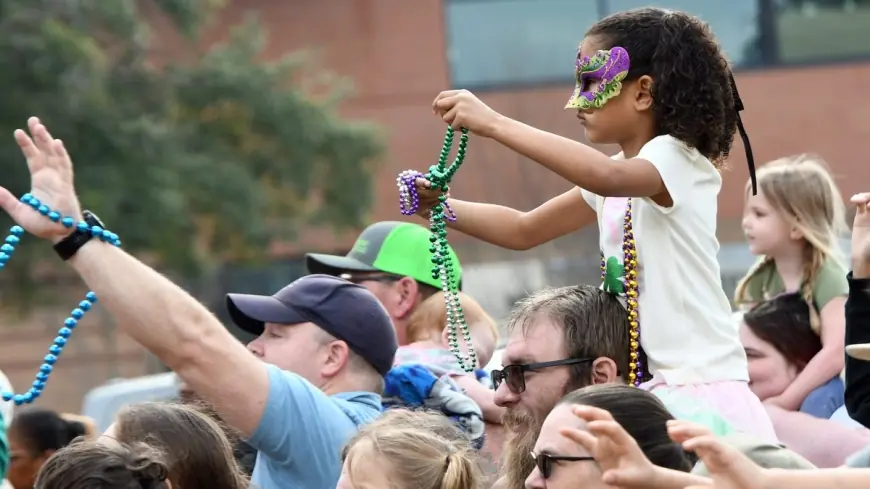
New Orleans erupted in color and sound Tuesday, Feb. 17 (ET), as Fat Tuesday marked the climax of Carnival season. Revelers took over historic streets at sunrise, chanting the familiar call "Throw me something, Mister" and staking out prime viewing spots on wrought iron balconies and ladders for a daylong spectacle.
Parades, costumes and coveted "throws"
St. Charles Avenue filled with marching bands, oversized floats and parade krewes. Attendees dressed in the tradition's signature palette of green, gold and purple, some in sequined finery and others in inventive homemade outfits. The sound of brass and percussion echoed through neighborhoods as people danced, waved and raised coolers and cups to the passing spectacle.
Each parade offered its own set of "throws" — trinkets tossed to the crowd. Beads remained ubiquitous, but candy, doubloons, stuffed animals and novelty cups were also in abundance. One of the most prized items, a hand-decorated coconut, came from a historically significant krewe; when a man dressed as a crawfish — complete with red fabric claws — caught one, he brandished the gold-glittered shell to cheers from surrounding onlookers.
Costumes ranged from elaborate feathered headdresses to the beaded and bejeweled regalia of Black masking Indian groups, whose presence is a powerful expression of local culture. Some parade-goers said they planned their outfits for months; others threw together last-minute ensembles that captured the improvisational spirit of the day.
Tradition, community and the statewide send-off
For long-time residents, Fat Tuesday is both ritual and reunion. One attendee dressed in a floor-length Egyptian-inspired costume and glittered makeup summed it up simply: "The world will be here tomorrow, but today is a day off and a time to party. " She and her husband, who have celebrated in the city for decades, keep a personal tradition of walking the French Quarter to admire costumes and enjoy the camaraderie.
The celebration is not confined to New Orleans. Across Louisiana, festivities included exclusive balls in urban centers and the rural Courir de Mardi Gras — a Cajun tradition where costumed participants run from house to house, perform antics, beg for ingredients and chase chickens for a communal gumbo. Gulf Coast cities also held parades, and Carnival traditions reverberate globally, from Brazil to parts of Europe.
While most of the day centered on festive revelry, a high-profile arrest during the festivities drew brief attention from bystanders and online viewers. Authorities handled the incident as part of routine public-safety work amid the dense crowds.
Food, rituals and quirky contests
Food remained central to the day's rituals. Many opted for spirited libations over morning coffee, turning the early hours into a brunch-like procession of adult beverages and communal grilling. Elsewhere in the country, quirky local competitions continue to mark the day: one long-running tradition pits towns against each other in pancake-related contests, an echo of older customs that used rich ingredients before the fasting season.
As the sun set on Fat Tuesday, the mood shifted toward reflection. The day serves as Carnival’s grand finale, the last moment of indulgence before Ash Wednesday and the Lenten season that follows. For residents and visitors alike, the annual goodbye blends exuberance with a recognition that the party will pause for a season of restraint — until next year’s celebrations roll around.