























Saudi crescent sighting confirms ramadan 2026 start — what to expect

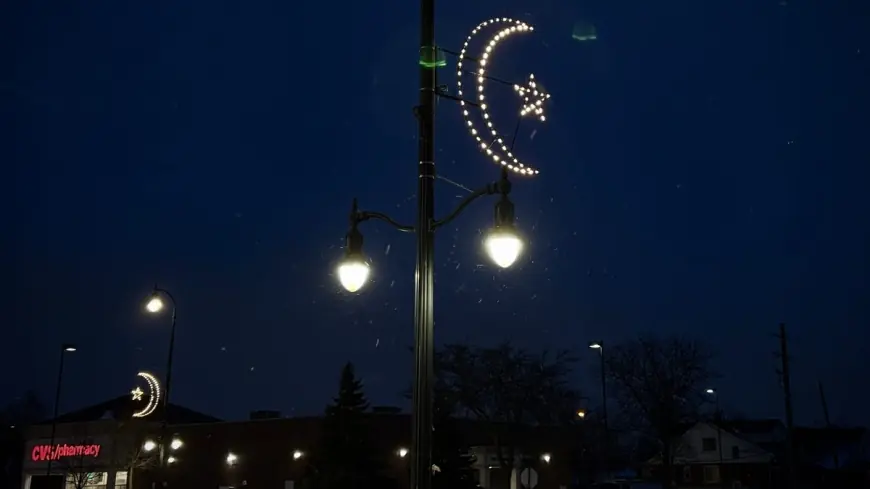
Saudi moon spotters verified the waxing crescent was seen on Tuesday, Feb. 17, 2026, confirming that Ramadan will begin at sundown that day. The first day of fasting will fall on Wednesday, Feb. 18, 2026 (ET). Communities worldwide are preparing for a month of dawn-to-dusk fasting, nightly prayers and expanded charitable activity.
How the month is set and what observant Muslims will do
Ramadan is the ninth month of the Islamic lunar calendar and is set by the sighting of the thin waxing crescent that marks the start of each month. Once the crescent is confirmed, the fasting period begins at dawn the following day. This year’s sighting in Saudi Arabia established the start date and will guide many communities that look to the kingdom’s moon spotters for confirmation.
During Ramadan, practicing Muslims wake before dawn for a pre-fast meal called suhoor and begin fasting at first light. The daily fast ends at sunset with iftar, the meal that breaks the fast. Fasting from dawn to dusk includes abstaining from food, drink, smoking and sexual relations; the discipline is intended to foster greater spiritual awareness, restraint and generosity. Nighttime worship often includes taraweeh prayers and increased Quran recitation.
Not everyone is required to fast. Exemptions include children, pregnant and breastfeeding people, those who are ill or traveling, and others for whom fasting would be harmful. People who miss fasts may make them up later or, if unable, provide fidya — a charitable donation to feed someone for each missed day.
Duration, global differences and the calendar shift
The length of the daily fast varies by location and season. On the first day of Ramadan 2026, dawn-to-dusk fasting typically ranges from roughly 11. 5 to 15. 5 hours. For much of the Northern Hemisphere, fasting hours will be on the shorter side this year — commonly around 12 to 13 hours to start — while parts of the Southern Hemisphere can expect longer days of around 14 to 15 hours. Over the coming years, the start of Ramadan moves earlier in the Gregorian calendar by about 10–12 days each year because the Islamic lunar year is shorter than the solar year.
That shifting calendar means notable patterns: Ramadan will span different seasons over the decades, affecting daily fast lengths. For example, within the next few years the month will cross the winter solstice in the Northern Hemisphere, changing fasting durations for many communities. In 2030 the lunar cycle will produce two Ramadans in one Gregorian year, a reminder of how the lunar calendar rotates through the seasons.
Community rhythms, holidays and what to expect locally
Ramadan is widely observed beyond individual worship: families and communities gather for iftar meals, mosques host nightly prayers, and acts of charity increase. Common greetings exchanged during the month include "Ramadan Mubarak" and "Ramadan Kareem, " while the festival that marks the end of the month, Eid al-Fitr, brings communal prayers, celebrations and charitable giving. Eid is expected to begin on the night of March 18, 2026 (ET), depending on the final sighting that concludes the month.
Nearly two billion people worldwide observe Ramadan in some form, and in many areas, Muslims are an active part of local civic and cultural life. Non-Muslims are often invited to join iftar gatherings or community events and may notice increased charity drives, mosque programs and altered workplace or school schedules in areas with larger Muslim populations.
With the crescent now sighted and the month set to begin at sundown on Feb. 17, communities and individuals will finalize preparations for a month focused on fasting, prayer, reflection and generosity.