





















simone biles and the weight of expectation: Ilia Malinin admits he was not ready for Olympic pressure

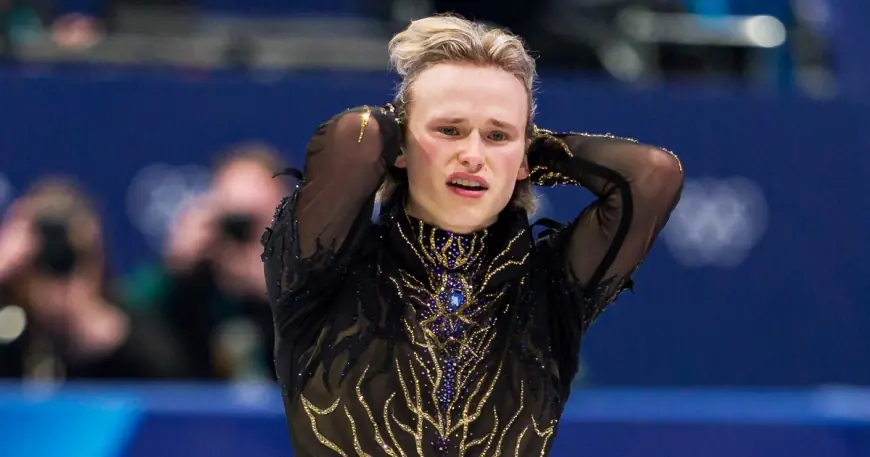
Ilia Malinin, the 21-year-old skater who entered the Milano Cortina Games as a heavy favorite, acknowledged Tuesday that the spotlight at the Olympics exceeded what he was prepared to handle. After a dominant short program, a mistake-filled free skate left him well below his season best and out of medal contention in the individual event, prompting a candid assessment of how pressure affected his performance.
High expectations, visible strain on the ice
Malinin described the experience as overwhelming, saying that when he stepped onto the ice he could feel the magnitude of the moment. He called it “not a pleasant feeling, ” adding that so much attention can get to an athlete who is not ready to embrace it fully. That admission came after a free skate score of 156. 33 in Milan, a sharp drop from the high marks he posted across the 2025–26 season.
Earlier in the season Malinin posted free skate scores well above 200 in multiple international competitions, and he delivered a 200. 03 free skate during the team event at the Games, contributing to his nation’s team gold. But the individual free skate saw him fall twice and finish eighth overall in a result that stunned many observers.
Despite the setback, Malinin was reflective rather than defensive. He emphasized learning from the mistakes and taking a different approach in preparation for future Games. With the closing gala scheduled for Saturday, Feb. 21 (ET), he still has one final skate at the Olympics, and his focus is already shifting toward next steps in his career.
Legacy, community support and plans ahead
At just 21, Malinin has already changed the technical landscape of men’s figure skating. He became the first skater to land a quadruple axel in competition and has landed as many as seven quad jumps in a single program. Those achievements helped build intense expectation for Olympic gold, but also left little margin for error in an unforgiving field.
Back home, students, faculty and fellow fans rallied around him as news of the result spread. Members of his university community gathered to watch and to show support, expressing pride in what he has already accomplished and confidence in his future. One student noted that Malinin is still very young and has a long career ahead; others said the gathering highlighted the sense of community around an athlete who has elevated his school on the world stage.
Malinin said the experience will inform how he prepares for the 2030 Games should he choose to pursue them. He also remains committed to competing at the upcoming world championships in Prague next month. His agent told media that Malinin expects to be on the start list for those worlds, where he is the two-time reigning champion and will have an immediate chance to reset on the international stage.
The contrast between his team event success and individual disappointment underscores how variable elite sport can be under intense scrutiny. Malinin’s openness about the mental and emotional effects of expectation is notable coming from a young athlete who has been hailed for pushing technical boundaries. It also raises questions about how top competitors can better prepare for the unique pressures of the Olympic spotlight.
As the Games wind down, Malinin’s immediate plans include the exhibition gala on Saturday, Feb. 21 (ET), and refocusing on training for the world championships. For many supporters, Friday’s result was less an end than a chapter in an unfinished story: a reminder that even the sport’s most innovative performers can be vulnerable when the world’s eyes are fixed on them.