























Ramadan 2026: Communities Brace for Mid-February Start as Moon-Sighting Plans Ramp Up

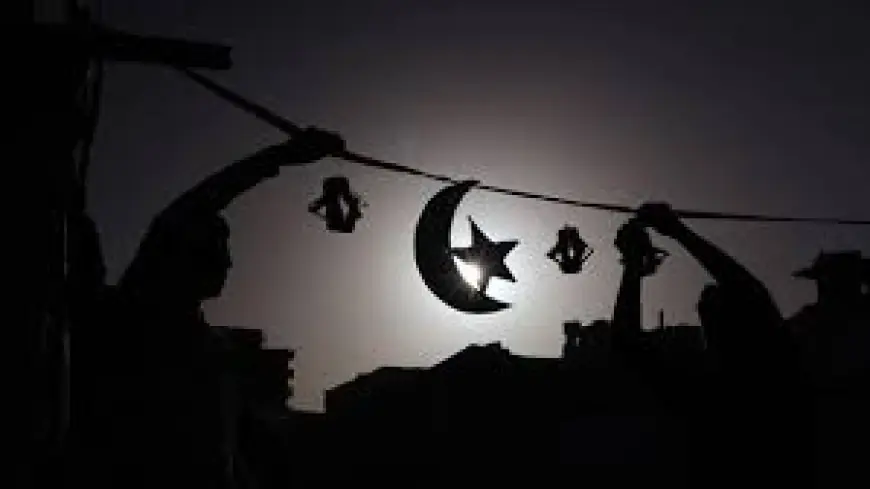
Religious leaders and community organizations are stepping up preparations for Ramadan 2026, with astronomical forecasts pointing to a likely start in mid-February. Final observances will hinge on local moon sightings and announcements, prompting mosques, charities and employers to finalize timetables and service plans in the coming weeks.
Expected timing and the moon-sighting process
Calendar-based predictions from astronomers place the start of Ramadan 2026 in the mid-February period, but the precise first day of fasting will be confirmed when the new crescent moon is sighted locally. Communities across time zones will monitor the sky just after sunset and follow religious authorities for confirmation. Where local sighting is not followed, many groups will use astronomical calculations to set the start and end of the month.
Announcements from mosques and mosque networks typically arrive within hours of the sighting decision. For communities on Eastern Time, expect final confirmations to come in the evening following the new-moon window; large metropolitan congregations plan coordinated updates so worshippers can prepare for the first night prayers and the next morning’s fast.
Mosque schedules, charities and public services ramp up
Places of worship are finalizing prayer timetables, pre-dawn meal (suhoor) guidance and evening iftar arrangements. Many mosques will publish daily prayer and fasting schedules immediately after the start is confirmed, and community centers are organizing expanded meal programs for low-income families and students.
Charitable organizations typically launch intensified fundraising and food-distribution drives ahead of and during the month. Expect increased volunteer recruitment, pop-up food pantries and community iftar events in cities with sizable Muslim populations. Health services and local clinics are also preparing guidance for fasting people with chronic conditions, emphasizing when to seek medical counsel or exemptions.
Employers and schools in areas with significant Muslim communities are reviewing leave policies and scheduling adjustments for evening Ramadan programs. Airline and travel operators are monitoring demand patterns as families plan visits for communal observances and holiday travel that will follow the month.
What to watch: announcements, travel and commerce
Key items to monitor in the days before Ramadan 2026 include religious authority announcements about the moon sighting, mosque calendars posted for tarawih (night prayers) and Eid, and local charity campaign launches. Retailers and markets will increase hours and stock for the pre-Ramadan rush, prompting shoppers to plan earlier for staple purchases.
Travel demand typically rises as the month ends, with many arranging family gatherings for the Eid al-Fitr holiday. Observers should watch for ticket price shifts and higher demand on major travel days. Public health advisories may appear in some regions offering fasting guidance for vulnerable groups, with clinics providing resources on safe fasting practices and exemptions.
As communities await confirmation, organizers stress flexibility. The lunar-based timeline means plans can shift with the sighting decision, and congregations are preparing rapid communications to keep worshippers informed. For many, Ramadan 2026 will be a renewed opportunity for communal worship, charity and reflection, with local leaders urging early planning so religious and social needs are met smoothly when the month begins.