























Is charles bronson on the verge of freedom? Parole review panel meets today

Today (Feb. 18, 2026 ET) a Parole Board panel is set to decide whether the man long regarded as Britain's most notorious prisoner should be released, moved to an open prison or face a further oral hearing. The process will be carried out largely on paper, with written assessments from clinicians, prison staff and probation services forming the core of the case.
Parole review: what the panel will consider
The review scheduled for today is a paper exercise: the panel will weigh written statements from psychiatrists, prison officers, probation staff and the inmate's legal team to judge whether he presents a manageable risk to the public. That can mean an outright release with licence conditions, transfer to an open establishment to prepare for reintegration, or deferral for a fuller oral hearing where the prisoner could be questioned in person.
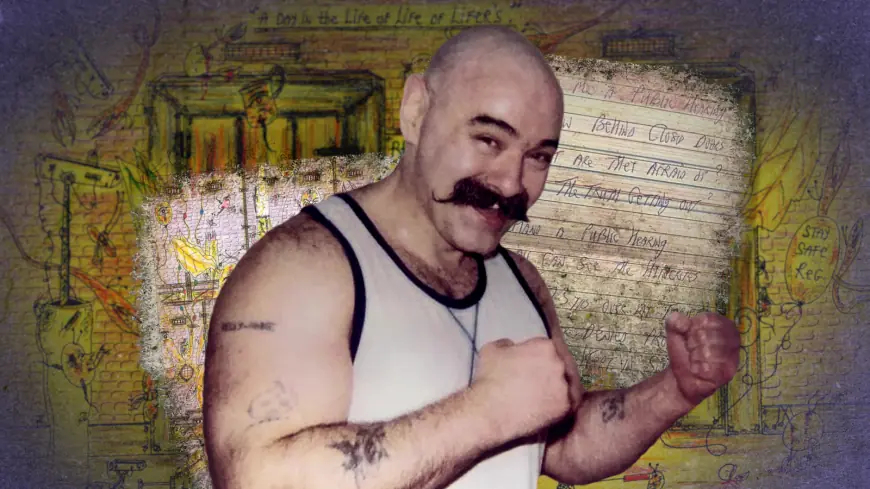
In the run-up to this review the prisoner publicly dismissed his legal team and vowed not to participate in any oral hearing after a request for a public hearing was turned down. In a letter to journalists he wrote, "Sacked the legal team!" and used colourful language to describe the parole system as a "farcical jam roll, " adding: "What are they afraid of? The truth getting out?"
That stance complicates matters but does not prevent the Parole Board from reaching a decision. Panels regularly rely on comprehensive written dossiers and professional assessments when inmates decline to engage directly. A psychiatrist who treated him three decades ago said the man's anger is understandable given his custodial history and that silence alone is not definitive evidence against release.
Half a century behind bars: the case history
The inmate, now 73, has spent more than five decades in custody after an initial sentence for armed robbery in 1974. Apart from two brief periods of release early in his sentence, he has been detained since then, primarily because of repeated violent incidents in prison. In 1999 he took a prison art teacher hostage and received a life sentence. His last prison conviction dates from 2014 for an assault on a prison governor.
This is his ninth appeal to the board. Much of his time has included spells in segregation and stays in high-security hospitals. He has also adopted a different name in recent years. Supporters argue he has matured and that age and the passage of time should weigh in his favour; critics point to a long record of violence and the difficulty of assessing risk after decades behind bars.
What could happen next and what it would mean
If the panel decides he is safe to release under licence, it would mark a major shift after 52 years in custody. Release under licence typically carries strict conditions, electronic monitoring and close supervision by probation services. Alternatively, a recommendation to move him to an open prison would be a step toward gradual resettlement without full freedom; such a move would be designed to test how he copes with less restrictive conditions while maintaining public protection.
Should the panel opt to delay and order an oral hearing, the process would become more confrontational and public. That would allow magistrates and board members to hear directly from staff, clinicians and potentially the prisoner himself — although he has signalled resistance to personal participation. An oral hearing could also focus on the most recent behaviours and assessments that are central to risk evaluation.
Whatever the outcome, the decision will reopen debate about long-term detention, risk management and the challenges of balancing public safety with the rehabilitation of older prisoners who have spent most of their lives inside. The Parole Board's ruling, expected to be released after the panel completes its deliberations today, will determine whether this longstanding case moves a step closer to resolution or remains unresolved for the foreseeable future.