




















lunar new year 2026: Fire Horse ushers in robots, rich feasts and quieter rituals

The Lunar New Year celebrations for 2026 — the Year of the Fire Horse — are underway across Asia, blending cutting-edge spectacle with time-honoured food and family practices. The 15-day festival, observed between January 21 and February 20 each year (dates expressed in Eastern Time), has seen communities from Beijing to Bangkok mark the new cycle with processions, feasts and quieter domestic rituals.
Robots take centre stage as technology meets tradition
In some cities, the new-year calendar has featured an unexpectedly modern cast: humanoid robots. Start-ups have staged variety shows where robots dance, tell jokes and perform music in hour-long programmes, and a number of humanoids are slated to appear on major television gala stages that reach national audiences. These appearances underscore growing investments in robotics and artificial intelligence across the region, with companies racing to showcase advances and capture attention during one of the year’s highest-profile cultural moments.
Robotic performers are not only entertainment: they represent a broader ambition to position domestic tech firms on the global stage. The juxtaposition of traditional lanterns and dragon dances with mechanical performers has created striking festival images and sparked fresh conversations about how modernity and cultural heritage intersect during communal celebrations.
Food, symbolism and shifting family rituals
Food remains a centrepiece of Lunar New Year observances. In Malaysia and Singapore, crowds toss yusheng — a raw fish salad — high into the air as diners use chopsticks to mix the dish together, a ritual thought to usher in prosperity. Across other parts of Asia, beloved regional items hold deep symbolism: sticky rice cakes play a starring role in the Vietnamese Tet, with northern families preparing square bánh chưng and southern households favouring cylindrical bánh tét. A whole boiled chicken, sometimes offered with a vivid red rose in its beak, is presented as a symbol of family unity and completeness.
Gift customs vary too. In some places tins of luncheon meat have become common New Year gifts, while in others mandarins and sweet treats are distributed as tokens of good fortune. At the same time, demographic and lifestyle shifts are changing how people mark the holiday. In South Korea, recent trends indicate many households are streamlining observances: more than 60% have said they will skip the elaborate ancestral charye tables this year, opting for simpler commemorations or private gatherings. Elsewhere, conversations around family life are part of the public discourse; in some jurisdictions authorities have stepped up enforcement against content they deem to promote social behaviours seen as undesirable, including messages celebrating remaining childfree.
The Fire Horse in cultural imagination and popular celebration
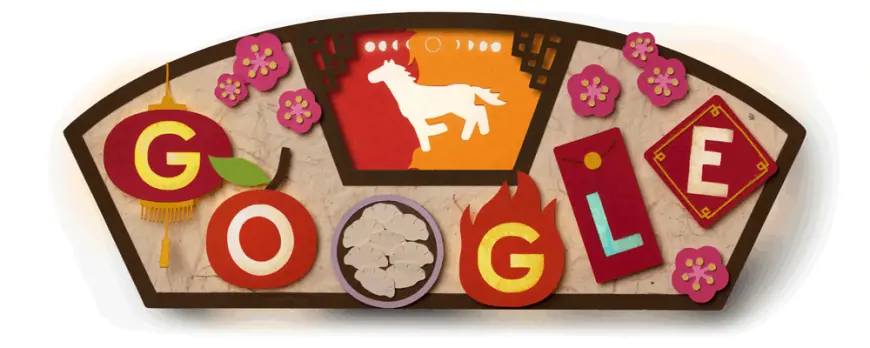
The Fire Horse is a rare sign in the 60-year zodiac cycle, often associated with independence, energy and headstrong ambition. Commemorative artworks and festive doodles highlighting the Fire Horse note its reputation for dynamism and drive, framing 2026 as a year when bold actions and decisive moves might take centre stage. For many celebrants, that symbolism is a welcome accompaniment to wishes for prosperity, health and emotional resilience.
Across Asia and in communities around the world, parades, family dinners and quieter personal rituals continue through the fortnight. Whether marked with high-tech performances or humble offerings on family tables, the celebrations are renewing bonds and setting tones for the months ahead as people step into the Year of the Fire Horse.