



















ramadan 2026: Crescent Sighting Sets Start for Wednesday, February 18 (ET)

Following a confirmed crescent sighting, many Muslim communities will begin fasting for Ramadan 2026 on Wednesday, February 18 (ET). The observance ushers in a month of fasting, prayer, charity and communal tradition for nearly two billion people worldwide.
Start date, moon sighting and global context
The new moon sighting by a regional moon-sighting committee has prompted the declaration that the first day of fasting will fall on Wednesday, February 18, 2026 (ET). The start of Ramadan is traditionally determined by the appearance of the lunar crescent, a practice that can yield variation across countries and communities depending on local observations and rulings.
Ramadan marks the month when the first verses of the Quran were revealed more than 1, 400 years ago. Fasting from dawn until sunset is one of Islam’s five pillars and is observed with a predawn meal, suhoor, and a sunset meal to break the fast, iftar. Beyond abstaining from food and drink, many observers deepen spiritual reflection, increase charitable giving and take part in nightly prayers and recitations.
Muslim populations span the globe, with the largest national communities in Indonesia (about 242 million), Pakistan (around 230 million), India (roughly 210 million), Bangladesh (about 160 million) and Nigeria (near 120 million). These numbers underscore Ramadan’s wide cultural and geographic reach and the diversity of local traditions that accompany the holy month.
Customs, greetings and accessibility during Ramadan 2026
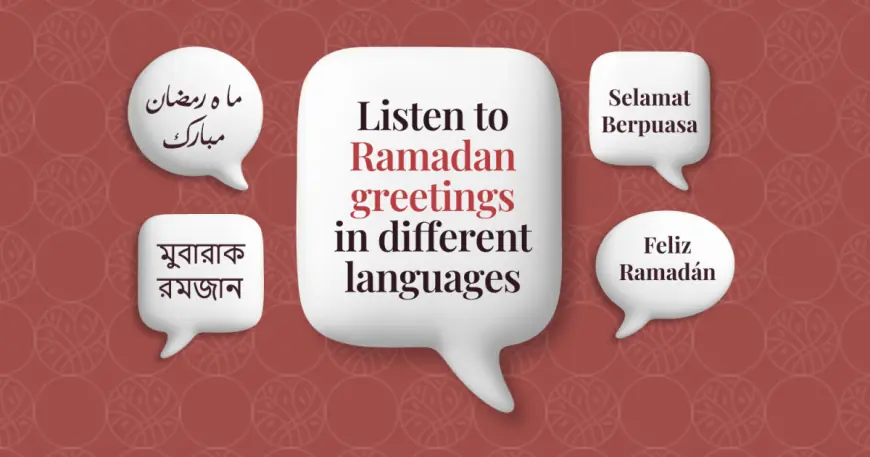
During Ramadan, customary greetings proliferate. Two widely used Arabic phrases are “Ramadan Mubarak, ” meaning blessed Ramadan, and “Ramadan Kareem, ” meaning generous Ramadan. Many countries also have native-language salutations that are shared among family, friends and neighbors.
Greetings are not limited to spoken words. Sign language and Braille adaptations help ensure inclusion for deaf and visually impaired worshippers. A common sign used in several sign-language systems places one hand horizontally across the mouth to symbolize fasting, though local sign languages may vary. Communities and religious institutions often provide translated materials and accessible formats to support participation in prayers, lectures and communal meals.
Ramadan also features a surge in charitable activity. zakat and other forms of giving intensify as people seek to support those in need. Many mosques and community centers organize iftar distributions, volunteer drives and educational events focused on spiritual growth and social support.
What to expect this month and how to participate respectfully
For those observing, days begin before dawn with suhoor and end at sunset with iftar, when families and communities gather to break the fast. Work and school schedules sometimes adjust to accommodate fasting hours and nightly prayers, especially in majority-Muslim countries. Travelers and those living in diverse communities may encounter varying start dates as local sightings and rulings differ.
If you plan to extend greetings, simple phrases like “Ramadan Mubarak” or “Ramadan Kareem” are widely appreciated. Respect for fasting practices—such as avoiding eating in front of fasting colleagues during daylight hours—is also welcomed. Many organizations and employers issue guidance to support colleagues who are fasting, including flexible scheduling and designated prayer spaces.
Community resources often include downloadable greeting cards and sharable materials to mark the month and help people send thoughtful messages. Those organizing events are encouraged to consider accessibility needs, ensuring materials and spaces accommodate sign language users and people with visual impairments.
As Ramadan 2026 begins, the month will be observed as a time of spiritual renewal, communal solidarity and heightened charity across a broad spectrum of cultures and languages. The shared practices and varied local traditions reflect both unity and diversity among Muslims worldwide.