





















Measles surge raises alarms as health officials track fresh clusters in 2026

Health authorities are monitoring a renewed spread of measles this winter, with clusters reported across several countries and localized outbreaks prompting emergency vaccination drives. Officials emphasize that gaps in routine immunization and international travel are fueling transmission as public health teams mobilize to contain cases.
Current case trends and emerging hotspots
As of Feb. 18, 2026 ET, national and international public health groups are tracking multiple measles clusters. The latest wave follows years of uneven vaccination coverage, leaving pockets of susceptible children and adults. Several regions have logged dozens to hundreds of confirmed cases in recent weeks, with some outbreaks centered in urban settings and others linked to communities with low immunization uptake.
Clinicians say the classic measles presentation—high fever, cough, runny nose, red eyes and the telltale rash—remains the hallmark of diagnosis. Hospitalizations are being reported primarily among very young children and individuals with weakened immune systems. Public health teams are prioritizing case finding and contact tracing to limit spread while preparing surge capacity at hospitals in affected areas.
Vaccination gaps and public health responses
Officials point to falling routine vaccination rates as the central vulnerability. Disruptions during the pandemic, vaccine hesitancy, and uneven access have created clusters of unprotected individuals that allow highly contagious infections like measles to resurface. Measles is among the most transmissible vaccine-preventable diseases, making high levels of community immunity essential.
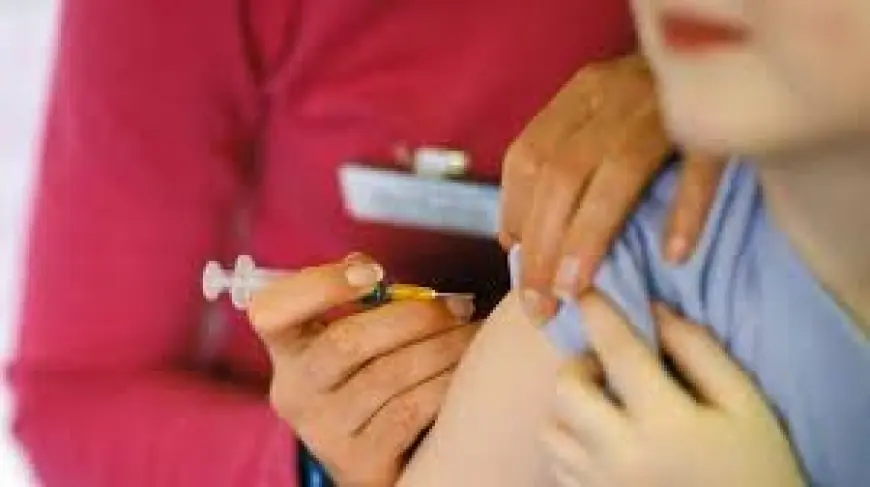
Response measures now in effect include targeted MMR (measles-mumps-rubella) catch-up campaigns, temporary exclusion policies for unimmunized children in schools or daycare settings, and recommendations for travelers to verify immunization status before departure. In some jurisdictions, health officials are offering post-exposure prophylaxis for high-risk contacts and accelerating pediatric vaccination appointments to close immunity gaps.
Public health teams are also reinforcing routine surveillance and laboratory confirmation to rapidly detect and link cases. Officials emphasize the need for clear communication in affected communities to address misinformation, expand access to vaccines, and ensure timely care for those who become ill.
Practical guidance for parents, travelers and communities
Health experts recommend that parents check vaccination records now. Children typically receive two doses of an MMR vaccine, with the first dose given in infancy and the second in early childhood; adults without documented immunity should discuss vaccination with a healthcare provider. Infants younger than the usual vaccination age may be eligible for an early dose in outbreak settings—health teams will provide local guidance.
Travelers should confirm they have received two documented doses of MMR or have evidence of immunity before international travel. Those exposed to measles who are at higher risk of severe disease—pregnant people, infants, and immunocompromised individuals—should seek immediate medical advice, as time-sensitive interventions may reduce complications.
Community-level prevention depends on restoring and maintaining high vaccination coverage. Schools, clinics and community organizations are being urged to support outreach efforts, provide accessible vaccination opportunities, and share clear information about vaccine safety and effectiveness.
The current uptick in measles cases underscores how quickly a vaccine-preventable disease can regain footholds when immunity gaps persist. Public health officials are urging swift action to limit spread while reminding communities that timely vaccination remains the most effective protection.