












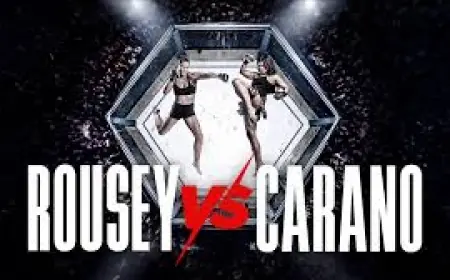








Gina Carano returns to action with new Western project, sparking debate


A week-long media flurry has centered on Gina Carano after an announcement this week revealed she will headline a new Western project. The casting decision has sharpened an ongoing public conversation about the actress’s place in entertainment, the business of independent production, and how studios weigh audience reaction against talent and controversy.
Project details and timeline
The project — described by producers as a mid-budget, character-driven Western — names Gina Carano as its lead. Production is expected to begin later this year with a planned release window in late 2026. Backers say the film will be distributed through a combination of theatrical playdates and direct-to-subscriber rollouts, reflecting a hybrid approach producers increasingly favor when seeking both visibility and controlled audience targeting.
Creative spokespeople characterized the film as centering on a hardened former lawman confronting moral compromise in a post-war frontier town. Casting notes emphasize physicality and stunt work, areas where Carano’s background in mixed martial arts and action filmmaking are seen as a strength. Producers say the shoot will be located in Western U. S. locations known for their cinematic landscapes and that the production will adhere to current safety and guild protocols.
Industry and audience reaction
The casting has produced a split reaction. Supporters applaud the move as a comeback for a performer who has maintained a devoted base outside mainstream studio circles. They highlight her box-office potential in niche genre films and argue that independent production pathways allow filmmakers to take chances that larger studios increasingly avoid.
Critics and some industry figures say the decision raises questions about how productions balance commercial aims with public image and whether studios should factor past controversies into hiring choices. Social media has been the primary arena for the debate, with posts quickly polarizing around the topics of accountability, artistic freedom and the economics of star-driven projects in today’s fragmented marketplace.
Several talent representatives and crew members have framed the hiring choice as a purely creative one, stressing the film’s needs for a physically capable lead familiar with action choreography. Others privately express concern about potential distribution challenges and the heightened publicity this kind of casting often brings during both production and release.
Broader implications for casting and distribution
The announcement is another data point in a larger industry conversation about alternative channels for films and how creators can bypass traditional gatekeepers. Producers involved with the new Western say they are counting on targeted marketing and partnered release windows to reach a specific audience profile rather than pursuing a broad, mainstream push.
For the talent at the center of controversies, this approach can offer a route back into feature filmmaking without the same degree of scrutiny that high-profile studio projects can attract. For distributors, the calculus involves weighing niche enthusiasm against potential backlash that could affect ancillary revenue and exhibition relationships.
As production gears up, attention will turn to how the creative team manages publicity, what contractual protections are put in place, and whether the project becomes a template for similar ventures. Regardless of outcome, the casting decision underscores the changing dynamics between audience sentiment, marketplace strategy and the enduring draw of genre filmmaking.
Further updates about casting, crew announcements and production milestones are expected in the coming months, as the project moves from planning into principal photography.