























Communities Worldwide Mark año nuevo lunar as Travel and Film Releases Drive Holiday Surge

Communities across the globe observed the año nuevo lunar on Feb. 17–18, 2026 (ET), with traditional parades, lantern displays and gatherings returning to pre-pandemic scale in many places. The holiday prompted heavy travel demand, packed cultural events and a notable uptick in holiday spending tied to dining, gifts and entertainment.
Large-scale celebrations and cultural programming return
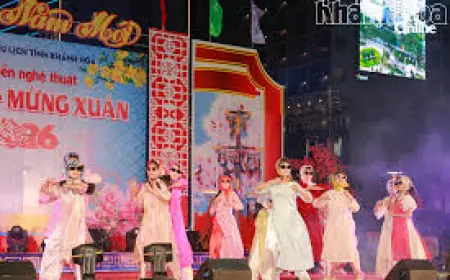
Street parades, dragon dances and lantern festivals drew crowds from major urban centers to neighborhood cultural districts. City plazas and community centers hosted family-focused daytime programs while evenings were filled with fireworks, light shows and performances that blended classical traditions with contemporary music and dance.
Community groups emphasized multigenerational participation, with workshops on calligraphy and traditional crafts scheduled alongside modern concert-style events. Museums and performing-arts venues expanded special programming to engage broader audiences, and outdoor installations were set up in public parks to accommodate larger visitor numbers.
Travel surge, rail and airport pressure, and economic ripple effects
The holiday window triggered a surge in travel that strained transport networks across several regions. Rail stations and airports saw heavy passenger flows during peak departure and return periods on Feb. 17, 2026 (ET), leading to longer lines at ticket counters and security checkpoints. Transit operators deployed extra services and advised travelers to expect delays and to allow additional time for connections.
Hospitality and retail sectors reported strong bookings for restaurants and hotels, with many businesses running special menus and limited-time promotions to capture holiday demand. The entertainment sector also benefited: cinemas and streaming platforms ran themed programming and new releases timed to the holiday, contributing to a bump in ticket sales and digital rentals in markets where the holiday is widely observed.
At the same time, weather-related advisories in parts of the northern hemisphere prompted a small number of itinerary changes and cancellations for outdoor events, leading organizers to emphasize flexible scheduling and safety contingencies.
Public-safety, health guidance and community messaging
Officials and community leaders encouraged visitors to follow crowd-safety guidance at large events, including designated entry and exit points, bag checks at major gatherings and clear signage for emergency routes. Firework and open-flame restrictions were in effect in several jurisdictions to reduce fire risk in crowded urban areas.
Public-health messages urged people to practice basic hygiene in crowded settings and advised those feeling unwell to avoid large gatherings. Organizers set up information booths and first-aid stations at major festival sites, while volunteer networks coordinated transportation assistance for elderly attendees and families with young children.
As communities reflect on this year’s celebrations, cultural organizations and city planners are already discussing how to scale programs for future years while maintaining safety and accessibility. For many, the holiday offered both a cultural homecoming and a reminder of the logistical planning needed to accommodate large, vibrant celebrations in diverse urban environments.