















![Amber Glenn Withdraws From [Event] Citing Injury, Will Miss Upcoming Season — Update](https://www.filmogaz.com/uploads/images/202602/image_430x256_6994eca04b7cd.webp)

usa hockey olympics: Team USA braces for medal push in Milan–Cortina final week

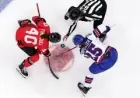
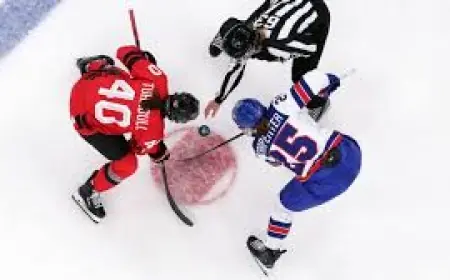
As the Milan–Cortina Winter Games move into their decisive week, both U. S. hockey programs are shifting into high gear. Practices, late roster tweaks and recovery plans for injured players are shaping a critical stretch in which single games can define medal hopes. Team officials and coaches are running a delicate balance between managing health and pressing advantages while American fans flood the stands and social channels with expectation.
Lineup adjustments, ice-time battles and injury management
Coaching staffs have spent the last 48 hours clarifying role definitions and adjusting lines to respond to opponent matchups and player availability. Forwards on the second and third lines have been highlighted in daily sessions as potential matchup specialists; coaches are prioritizing puck possession and transition speed in practice drills designed to simulate the unique rink size and ice conditions in the region.
Medical teams are working through a handful of minor bumps and strains that surfaced after the preliminary round. The emphasis is on quick, conservative treatment to preserve depth for the elimination rounds; players with lingering issues are being given tailored ice-time windows rather than full-game minutes. That approach has allowed more veteran players to shoulder heavier minutes in critical moments while younger skaters receive targeted opportunities to prove they belong on the big stage.
Veteran leadership, young talent and special-teams focus
One consistent theme across both rosters is the mix of seasoned leadership and dynamic youth. Coaches have leaned on veteran defensemen and goaltenders to steady the defensive zone, while younger forwards are being encouraged to take offensive risks and create speed in transition. That blend is intended to provide stability without sacrificing the game-changing upside that younger players can offer in sudden-death situations.
Special teams have drawn particular attention. Power-play units have been reshuffled to exploit opponents’ penalty-killing weaknesses, and penalty-kill strategies have been simplified to limit isolated breakdowns. Goaltending remains a pivotal storyline; rotation decisions will likely be influenced by practice sharpness and recovery status rather than a rigid starter-by-committee arrangement.
Schedule pressure, crowd energy and the road ahead (times ET)
With medal-round matchups set to begin later this week, the timetable is compact and unforgiving. Key elimination games are scheduled in the late afternoon and evening ET windows, compressing recovery cycles and forcing teams to accelerate preparation phases. Expect coaches to finalize game plans no more than 24 hours ahead of puck drop to keep routines consistent and to allow for contingency planning.
Support from traveling U. S. fans has become a tangible factor. Packed arenas for earlier sessions injected urgency into U. S. preparations and created a charged atmosphere for players who feed off crowd energy. That factor can tilt momentum in close contests, particularly in the latter stages of games when momentum swings become decisive.
Looking ahead, the United States enters the elimination rounds with enough depth to contend but with little margin for error. Matchups, in-game adjustments and special-teams performance are likely to determine who advances. For now, the focus is on recovery, clarity of roles and executing a concise game plan under Olympic pressure.
Team officials emphasize a short-term mindset: control what you can this hour, this practice, this line change. In a tournament where every shift counts, that approach might be the difference between a podium moment and an early offseason.