



















![Amber Glenn Withdraws From [Event] Citing Injury, Will Miss Upcoming Season — Update](https://www.filmogaz.com/uploads/images/202602/image_430x256_6994eca04b7cd.webp)

Elana Meyers Taylor Hints at New Role in Winter Sports as She Shifts Focus from Competition

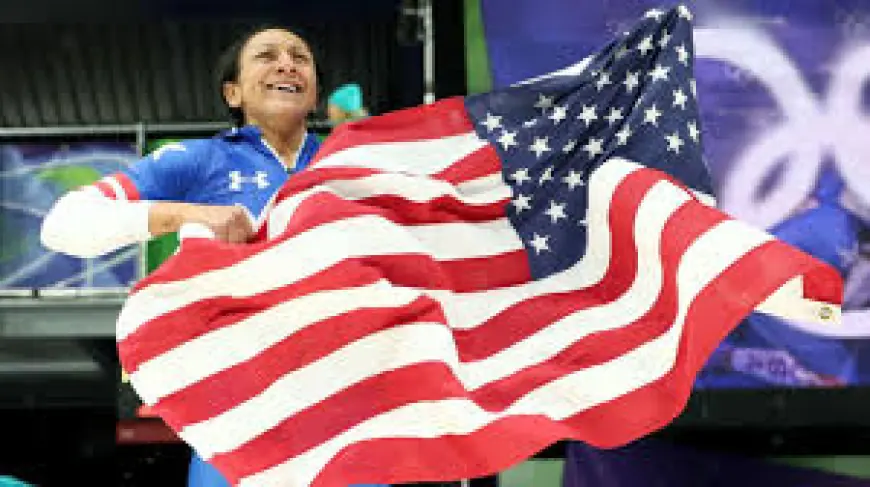
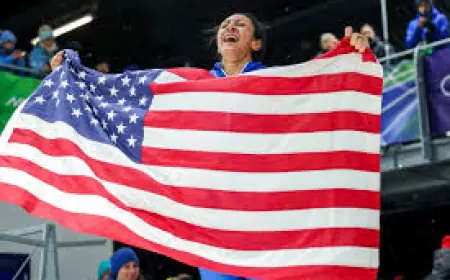
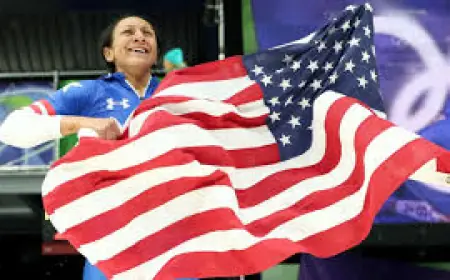
Elana Meyers Taylor — one of the most decorated U. S. bobsledders of the past two decades — is signaling a shift in her career as she balances reduced on-track competition with broader roles off the ice. The move represents a new chapter for the athlete who has long been a fixture in international bobsleding, and it has drawn attention across the winter-sports world.
From podiums to mentorship: a gradual transition
Meyers Taylor has accumulated multiple Olympic and world championship medals over a storied career. In recent months she has participated in fewer World Cup events and more public-facing activities tied to coaching, mentorship and athlete advocacy. Observers say the pattern is consistent with a veteran athlete preparing to pass experience and technical knowledge to the next generation.
The athlete’s public appearances and statements emphasize development of young pilots and brakemen, as well as efforts to make the sport more accessible. She has been involved in training camps and clinics, where her focus has often been on sled setup, push technique and race-day strategy — areas where her expertise is widely respected. While she has not declared a formal retirement, her reduced competition schedule and expanding off-track commitments indicate a deliberate recalibration of priorities.
Balancing legacy, family and future ambitions
Meyers Taylor’s transition comes as she balances personal and professional priorities. Throughout her career she has navigated the demands of elite sport alongside family life and advocacy work. Moving away from a full World Cup calendar would allow her to maintain a presence in bobsled while increasing time for other projects, including potential coaching roles, television commentary and involvement in athlete leadership organizations.
The athlete’s experience across multiple Olympic cycles positions her as a strong candidate for formal roles within national team programs or international athlete commissions. Her technical insights and reputation for resilience make her an attractive mentor for teams seeking to build depth and consistency. For many in the sport, her next steps — whether stepping into a coaching post or taking on athlete-representation duties — will be watched closely because they could influence how the next cohort of U. S. bobsledders is developed.
What this means for the U. S. bobsled program
Meyers Taylor’s reduced competitive role opens space for emerging athletes to claim leadership positions on the ice. At the same time, her continued involvement in training and mentorship could smooth the generational handoff, preserving institutional knowledge crucial for maintaining international competitiveness. The U. S. program has benefited in the past from strong athlete-driven coaching inputs, and Meyers Taylor’s presence in a mentoring capacity could sustain that advantage.
For fans and teammates, the situation presents both a sense of loss and an opportunity. The loss is the gradual withdrawal of a high-profile competitor from peak performance circuits; the opportunity is the prospect of seeing her influence multiplied as she helps shape coaching techniques, sled technology insights and athlete mental-preparation practices.
As the international season progresses, attention will remain on whether Meyers Taylor returns to full-time competition or formalizes a new chapter in coaching, administration or advocacy. Either way, her next moves are likely to leave a lasting imprint on the sport she helped elevate.