




















![Amber Glenn Withdraws From [Event] Citing Injury, Will Miss Upcoming Season — Update](https://www.filmogaz.com/uploads/images/202602/image_430x256_6994eca04b7cd.webp)


winter olympics curling cheating allegation reignites debate over gamesmanship and rules

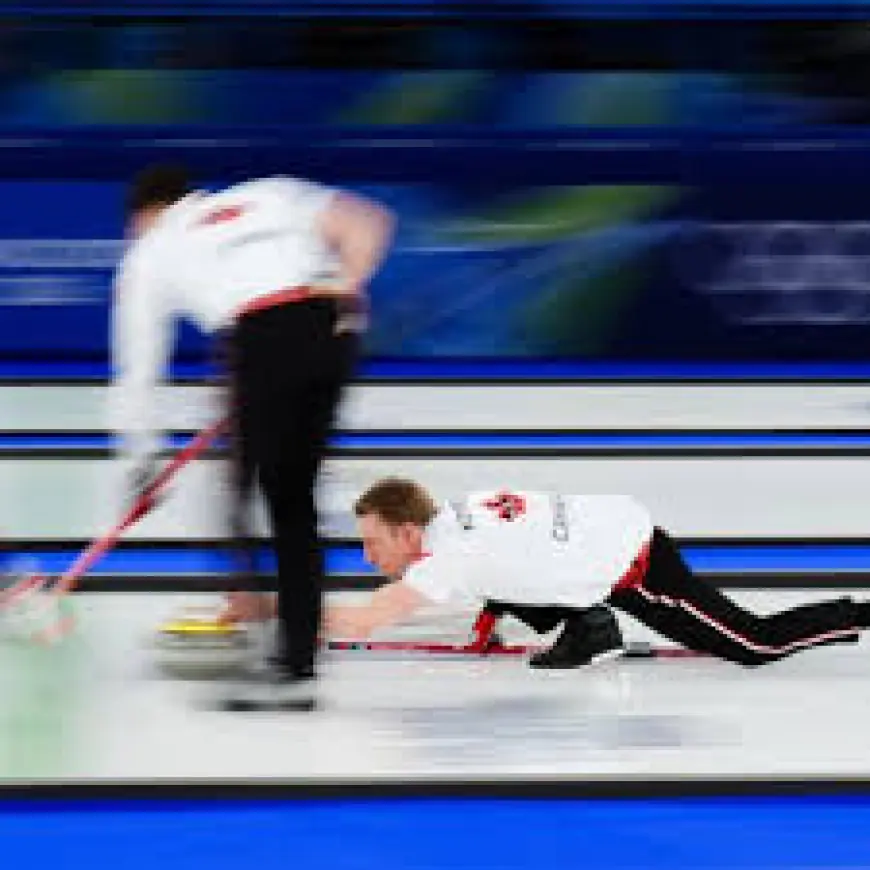
A fresh allegation of cheating in Olympic curling has thrust the sport back into the spotlight, prompting calls for clearer enforcement of rules, stronger oversight of equipment and renewed debate over where gamesmanship ends and outright rule-breaking begins. Officials have opened inquiries while athletes and coaches warn that the integrity of curling must be protected as the international federation reviews protocols.
What triggered the new allegation
The controversy began after observers flagged unusual behavior and equipment handling during a high-level match at a major international event tied to Olympic qualification. Video clips circulated showing players adjusting stones and sweeping patterns that some felt fell outside accepted practices. The national federations involved acknowledged the concerns and confirmed that an internal review and a formal complaint had been lodged with competition officials.
Competition stewards announced they would examine footage and interview participants to determine whether any rules were broken. That review focuses on whether actions were deliberate attempts to gain an unfair advantage—such as tampering with stones or using prohibited tools—or whether the irregularities were the result of misunderstandings of nuanced technical rules that vary between events.
Officials, athletes and fans call for clearer standards
Across curling’s community, reactions have been swift. Some athletes insist the behavior shown is within a grey area of tactical innovation—the edge of legal gamesmanship—while others argue that anything that manipulates stone behavior or misleads opponents should be treated as cheating. Coaches stressed that intent is hard to prove from footage alone and urged investigators to seek testimony from players and ice technicians.
Experts and team leaders are urging the sport’s governing body to clarify equipment rules and introduce firmer on-ice protocols. Suggestions include uniform stone inspections before and after games, tighter controls on warming and sweeping brushes, and more consistent use of high-definition replay for adjudication. There is also renewed talk about deploying neutral ice technicians at major events to ensure stones and ice conditions meet standardized benchmarks.
Fans expressed frustration that inconsistent enforcement risks eroding trust in outcomes, especially at Olympic-level competitions where stakes and national pride are highest. Several athletes called for faster resolution processes to avoid prolonged uncertainty that can affect team preparation and public perception.
Next steps and possible penalties
Investigators are expected to review match recordings, equipment logs and interview transcripts before issuing a finding. If the inquiry concludes that rules were breached intentionally, penalties could range from match forfeiture to disqualification, fines and suspensions for individuals or teams. For less clear-cut cases, officials may issue warnings or mandate corrective measures such as equipment checks and procedural updates.
Regardless of the immediate outcome, many in the curling community see this moment as a catalyst for reform. Calls for clearer rule language, standardized pre-competition equipment checks and broader use of technological aids for refereeing point toward lasting changes. With the next Winter Games on the horizon, organizers and national programs are under pressure to reinforce the sport’s reputation for fair play.
Officials have said they will publish a summary of findings and any rule clarifications once the investigation concludes. For athletes and fans alike, the incident underscores how a single allegation can prompt a wider conversation about integrity, transparency and the future of curling on the Olympic stage.