

























shrove tuesday: Global crowds celebrate with pancakes, parades and church services

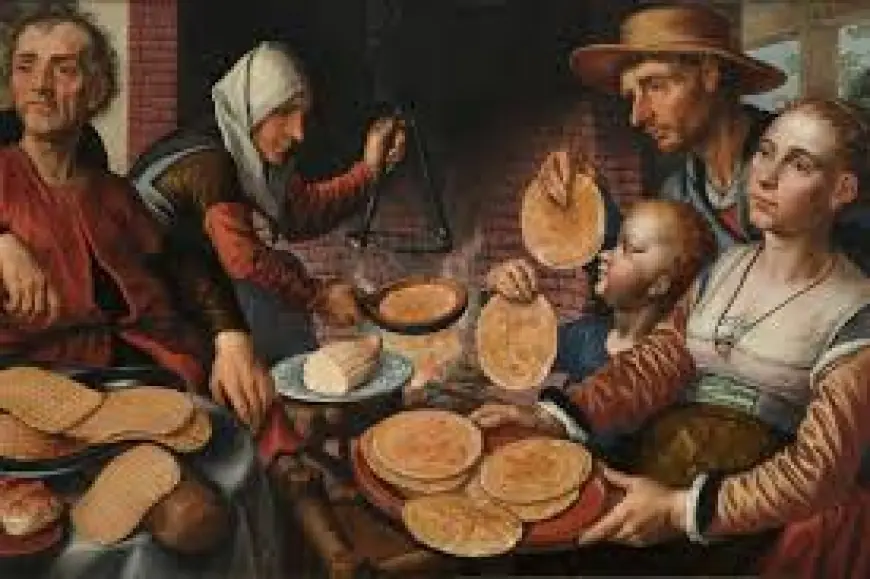
Communities around the world observed shrove tuesday on Feb. 17, 2026 (ET), combining centuries-old religious rites with lively public festivities. From neighborhood pancake races and family breakfasts to final Mardi Gras processions and evening church services, organizers and officials worked to keep celebrations safe and accessible for large crowds.
Local traditions and pancake races draw community crowds
In towns and cities that mark the day with pancake races and community breakfasts, volunteers served thousands of pancakes and scrambled to coordinate street closures and health precautions. Small civic competitions — often featuring contestants flipping pancakes while running a short course — returned in force after recent years of scaled-back events. Organizers emphasized family participation, accessibility and a festive atmosphere rather than competition, and many events included charity collections or food drives tied to the day.
Local bakeries and cafes reported brisk sales in the hours leading up to the celebrations, with many offering special recipes tied to tradition: thin, crepe-style pancakes in some places and thicker, batter-style pancakes in others. Clergy and community leaders used the gatherings as an opportunity to remind participants that the day is both a time of indulgence before Lent and a moment of communal reflection.
Parades and Mardi Gras finales punctuate city calendars
Major urban celebrations reached a peak as parades and street parties concluded their carnival seasons. Float operators, marching bands and volunteer stewards coordinated logistics for large downtown processions, and municipal authorities deployed extra sanitation and public-safety crews. Some cities implemented temporary transit changes and recommended that visitors use public transportation or arrive early to avoid congestion.
Officials highlighted public-safety measures while also urging restraint from overly rowdy behavior. In several locations, authorities set up designated family zones and quiet areas near parks and cultural venues to offer alternatives to the louder sections of the festivities. Event planners noted that crowd-control strategies used this year reflect lessons learned from recent busy seasons: clearer signage, more visible first-aid stations and expanded communications aimed at non-English speakers and visitors.
Religious observance and community outreach
For many faith communities the day marked the last chance for confession and celebration before Ash Wednesday begins the season of Lent. Local churches hosted evening services and pancake suppers that combined hospitality with spiritual preparation. Clergy framed the day's customs as opportunities to practice generosity ahead of the penitential period, and several congregations used pancake events as fundraisers for local social services and food banks.
Health and social-service groups used the occasion to raise awareness about food insecurity, offering collection points at parish halls and community centers. Outreach workers staffed several breakfast and dinner events, ensuring that those in need could join the communal meals without charge.
Weather was a factor in some regions, prompting last-minute moves indoors for a handful of planned outdoor activities. Organizers said contingency plans — including indoor venues and brief schedule adjustments — were successfully activated in locations where rain or cold made outdoor gatherings impractical.
As shrove tuesday drew to a close in the Eastern Time zone late Tuesday evening, participants reflected on a day that blended age-old ritual with contemporary civic logistics: pancakes, parades and prayer, managed by communities working to balance celebration with public safety and service.