























Shrove Tuesday: a short history of Pancake Day from Elizabethan ale to household recipes

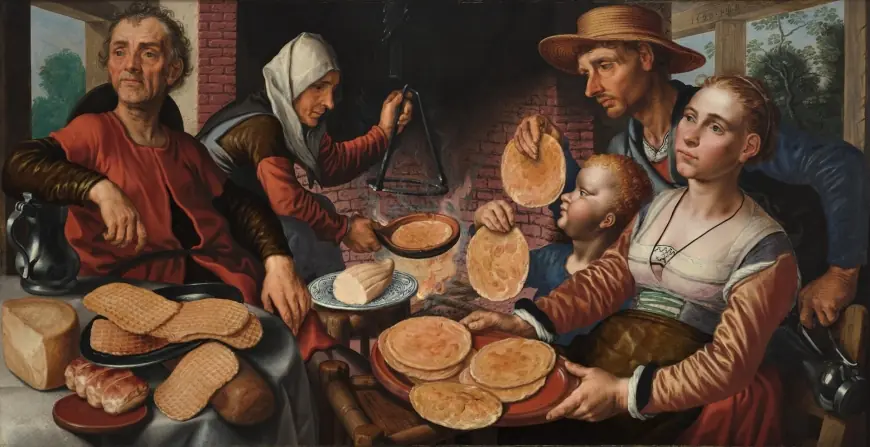
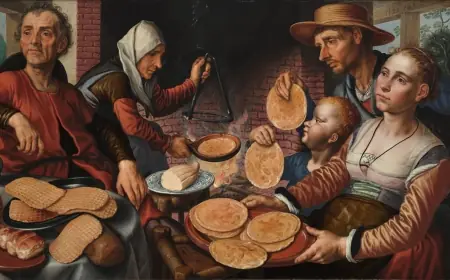
With Pancake Day fast approaching, shrove tuesday once again draws attention to a culinary tradition rooted in pre‑Lenten ritual. The simple act of frying a thin batter carries centuries of household practice: a way to use up eggs, cream and fats before the Lenten fast and, over time, to enjoy a range of textures and flavours from crisp Elizabethan pancakes to fruit‑filled fritters.
Clearing the larder: why pancakes became Shrove Tuesday food
Pancakes became linked to Shrovetide because they offered an efficient, tasty way to consume ingredients banned during Lent. Eggs, cream, butter and animal fats were all on the list of foods to be avoided in the run‑up to Easter, so cooks used the days before the fast to empty their pantries. Early recipes emphasise thin, wet batters that could be spread very thinly and fried until crisp — explaining the phrase “flat as a pancake. ” Historically these pancakes were served warm with butter and a dusting of sugar.
Recipes and techniques from the 16th and 17th centuries
Cookbooks from the Elizabethan era show a surprising richness in pancake batter. One contemporary recipe mixes a pint of thick cream with four or five egg yolks, a handful of flour and two or three spoonfuls of ale, finishing the batter with sugar, cinnamon and a touch of ginger. The method called for heating a knob of butter until it was “molten brown, ” tipping the fat from the pan, then ladling in the batter thinly and frying over a low heat until one side was “baked” before flipping — the goal being a dry, crispy pancake rather than a soft one.
Not all recipes favoured dairy. Gervais Markham, in his widely read household manual from the early 17th century, recommended beating two or three eggs with “a pretty quantity of fair running water, ” seasoning the mixture with salt, cloves, mace, cinnamon and nutmeg, and thickening it with fine wheat flour. He advised frying the batter in sweetened butter or pig lard and serving the finished pancakes sprinkled with sugar, arguing that water made a crisper, more savoury pancake than milk or cream.
The language of the time also blurred pancake and fritter. In the 16th and 17th centuries the two terms were often used interchangeably; fritters were frequently made with fruit inside and might resemble modern fruit pancakes. A diarist’s note from Shrove Tuesday, February 26, 1661 ET, records a visit to a household where women were busy mixing batter and producing “the best fritters that ever I eat in my life, ” underlining how central such preparations were to domestic life.
From household manuals to modern Pancake Day
By the later 17th century, recipe collections boasted comprehensive instructions for pancakes, fritters, tansies and other Shrovetide delicacies. Titles from that era promised to unlock the best ways of making these dishes — a reflection of both the importance of the festival in the domestic calendar and the evolving tastes of households that prized crispness, spice and sweetness in their pancake cookery.
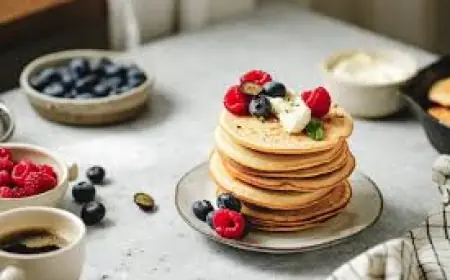
Over time, innovations in ingredients and baking technology changed pancake textures and methods, but the core purpose remained: a convivial, practical way to use up larder staples before Lent. Today’s Pancake Day is both a nod to that history and a moment for families to adopt old techniques or invent new ones — whether that means a thin, ale‑laced batter fried to a crisp or the fruit‑filled fritters enjoyed by diners centuries ago.