
























Rupert Lowe launches Restore Britain as national party, vows to unite local groups

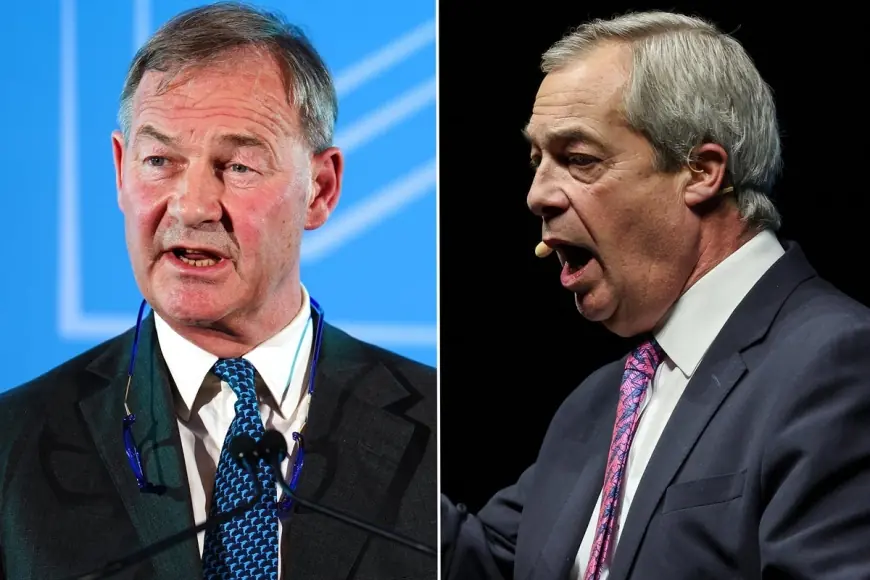
Rupert Lowe, the MP for Great Yarmouth who was elected in July 2024 and now sits as an independent, formally unveiled Restore Britain as a national political party on Friday night (ET). What began as a local movement after his split from his former party has been recast as an umbrella organisation intended to work with locally based parties and campaign groups.
An umbrella model aimed at local partners
Restore Britain will act as a vehicle for locally rooted parties and campaigns, with Lowe positioning the new organisation as a coalition of community-focused groups rather than a traditional centralised party. Lowe is expected to stand again in Great Yarmouth with the local partner group Great Yarmouth First, which will be affiliated to the new party. He has previously said his local group would contest council elections this year, but those contests were cancelled.
Campaigners close to Lowe argue the model is designed to let local activists retain control while offering national coordination on core themes. Lowe has long argued there is a disconnect between mainstream politicians and many voters in towns such as Great Yarmouth; private polling shown to local parties suggests he would be competitive if an election were called now.
Controversy, departures and a maverick reputation
The move to formalise Restore Britain comes after a fractious period in Lowe’s political career. He was suspended from his former party last March following allegations that he made threats against the party chairman. Lowe denied the claims and the Crown Prosecution Service later concluded there was insufficient evidence for a realistic prospect of conviction.
Senior figures who had been involved with an advisory board for the movement have signalled they will step away now that it has become a registered party. The departures underline the sensitivity around the launch and the challenge Lowe faces in broadening his appeal beyond his local base.
Political commentators describe Lowe as a maverick MP who is not especially collegiate and who believes mainstream parties are out of touch with many voters. That outsider identity is central to Restore Britain’s pitch: an independent-minded right-leaning home for voters frustrated with the political establishment.
Electoral impact and the wider right
Strategists warn that a new right-of-centre party could reshape marginal contests by dividing support on the right. With a number of parliamentary seats won in 2024 by narrow margins, an additional right-leaning contender has the potential to change outcomes in tightly fought areas.
Restore Britain’s launch has already attracted expressions of support from some right-aligned groups and high-profile figures who have backed Lowe publicly in recent months. That energy could translate into local campaigning and candidate slates under the umbrella model, but it also risks fracturing the vote where the aim might otherwise be consolidation.
For now, the party’s immediate task is to convert the movement’s local momentum into an organisational structure capable of contesting seats beyond Norfolk. How effectively Restore Britain can recruit and coordinate partner groups, and whether it can avoid internal splits as it grows, will determine whether it remains a local phenomenon or becomes a nationally significant force on the political right.