






















Ramadan 2026 Dates: When Ramadan Starts in 2026, Why the Start Can Shift, and What Ramadan Means

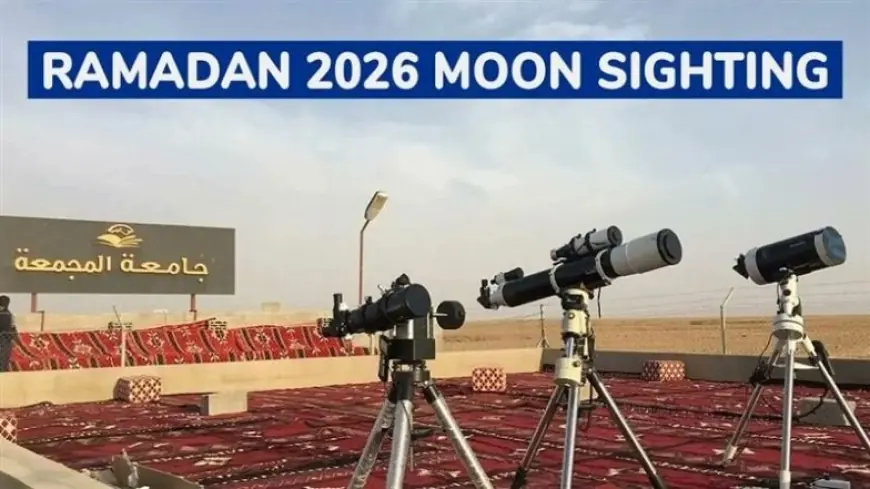
Ramadan 2026 is arriving right now on calendars around the world, with communities watching closely for the official start that depends on the new crescent moon. As of Tuesday, February 17, 2026 ET, the most widely expected outcome is that the first full day of fasting will begin on Wednesday, February 18, 2026 ET, though some communities may begin one day later depending on local moon sighting decisions. That one-day swing is normal, and it’s built into how the Islamic lunar calendar works.
When is Ramadan 2026?
Because Ramadan begins with the sighting of the new moon (or a formal confirmation based on established methods), the start date can differ by location. In practical terms, most people should plan around a two-day window.
Key Ramadan 2026 dates to know in ET
-
Expected start of Ramadan 2026: Wednesday, February 18, 2026 ET (most common expectation)
-
Alternate start for some communities: Thursday, February 19, 2026 ET
-
Expected end of Ramadan (29 to 30 days later): around Thursday, March 19, 2026 ET or Friday, March 20, 2026 ET
-
Eid al-Fitr (the holiday that follows Ramadan): expected around March 19 to March 21, 2026 ET, depending on the next moon confirmation
A helpful way to think about it: Ramadan begins at sunset, and the first fast is the next dawn-to-sunset period. If the month is confirmed to start with the evening of February 17, then the first daytime fast is typically February 18. If confirmation comes a day later, the first daytime fast shifts accordingly.
When does Ramadan start 2026, and why can people disagree?
Ramadan is tied to a lunar month, and lunar months start with the new crescent moon. Weather, geography, and differing religious criteria can lead to different start dates in different places.
Here are the main reasons:
-
Local visibility varies: The crescent might be visible in one region but not another on the same evening.
-
Different standards: Some communities rely on local sighting, others accept sighting from another region, and others use calculated visibility criteria.
-
Official announcements happen at different times: Even when the moon is visible, the formal confirmation can come later, and time zones add another layer of confusion.
Behind the headline, the incentive is clarity: mosques, employers, schools, and families need a definitive call to organize prayer schedules, meal times, and communal events. The tradeoff is that certainty sometimes arrives late in the evening, right when people are trying to plan the next morning.
Ramadan Mubarak: What to say, and what it means
“Ramadan Mubarak” is a common greeting that roughly conveys “Blessed Ramadan.” You may also hear “Ramadan Kareem,” which conveys a sense of generosity during the month. People use these greetings at the start of Ramadan and throughout the month, especially when visiting family, meeting neighbors, or arriving at the mosque for night prayers.
What is Ramadan?
Ramadan is the ninth month of the Islamic lunar calendar and one of the most spiritually significant times of the year for Muslims. It is marked by:
-
Fasting from dawn to sunset (no food or drink during fasting hours)
-
Increased prayer and reflection
-
Acts of charity and community support
-
Reconnecting with family and strengthening self-discipline
Fasting is not only about abstaining from food and drink. Many people also focus on improving character, reducing conflict, and building better habits. The month ends with Eid al-Fitr, a major holiday centered on prayer, gratitude, and giving.
What we still don’t know yet
Even with strong expectations for Wednesday, February 18, 2026 ET as the first day of fasting for many, a few details remain “not confirmed” until local authorities and communities finalize their decisions:
-
Whether a given city or country will start on February 18 or February 19 ET
-
Whether Ramadan will last 29 days or 30 days this year
-
The exact Eid al-Fitr date in every location
This uncertainty is not a mistake or a rumor cycle. It’s the normal result of a lunar calendar that prioritizes the new month’s confirmation.
What happens next: realistic scenarios and triggers
Here are the most likely next steps, with simple triggers:
-
Scenario 1: Most communities begin fasting Wednesday, February 18 ET if the crescent is confirmed on Tuesday evening ET.
-
Scenario 2: Some communities begin Thursday, February 19 ET if local visibility is not confirmed or if authorities require local sighting.
-
Scenario 3: Ramadan runs 29 days if the next month’s crescent is confirmed earlier, bringing Eid slightly sooner.
-
Scenario 4: Ramadan runs 30 days if the crescent is not confirmed at month’s end, pushing Eid one day later.
Why it matters beyond the calendar
Ramadan affects daily schedules, public services, business hours in many places, travel planning, and school or workplace routines for families observing the fast. It also triggers a surge in charitable giving and community meals, meaning local organizations often see higher demand and higher participation at the same time.
For anyone planning, the safest move is to treat February 18, 2026 ET as the most likely start date, keep February 19 as the backup, and watch for your local community’s official confirmation. Ramadan Mubarak.