























Photographs of the año nuevo lunar capture tradition and spectacle as some galleries face access problems

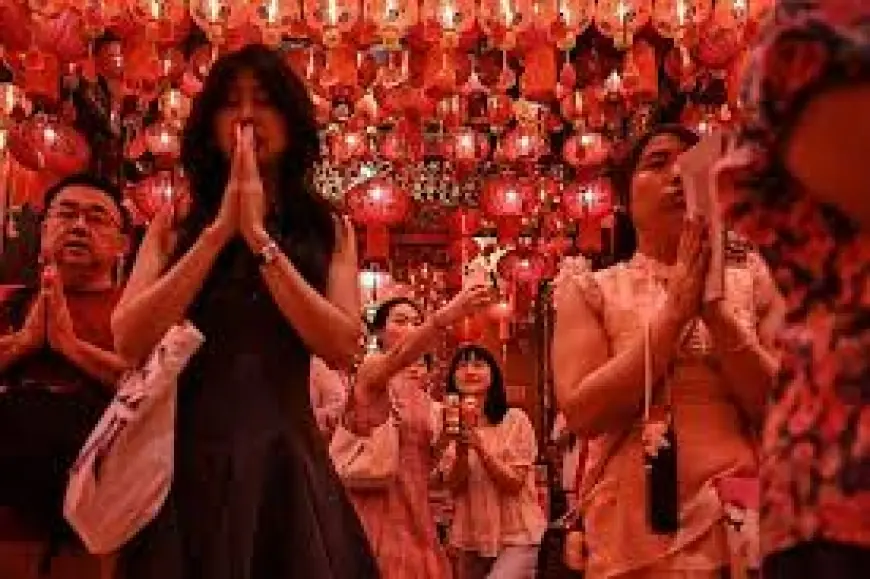
Images from celebrations of the año nuevo lunar this year offered a vivid reminder of how deeply rooted traditions and contemporary street-level spectacle coexist. Photographers documented colorful parades, family gatherings and temple rituals across multiple countries, producing a trove of images that highlight both communal continuity and local variation. At the same time, several online galleries hosting these photos encountered technical interruptions that limited access for some viewers.
Vivid photos show age-old rituals and modern pageantry
Photo galleries collected over the holiday period center on a handful of recurring motifs: red lanterns and banners, dragon and lion dances, processions in urban settings, and intimate family scenes at dinner tables and temples. Close-up shots of dancers mid-leap underline the athleticism of performers, while wide-angle photographs of city streets showcase the scale of public participation. The visual record spans from ornate indoor rituals to booming outdoor fireworks displays, reflecting a festival that is as much about private reunion as it is about community spectacle.
Photographers emphasized texture and motion, favoring long exposures and tight framing that dramatize fireworks trails, flowing silk costumes and the glow of lantern light. Portraits of older participants, sometimes caught in contemplative mid-ritual, add an emotional counterpoint to the high-energy parade imagery. Collectively, the images provide a cross-section of how different communities mark the new year — from small neighborhood events to large municipal parades.
Access interruptions complicated some viewers’ ability to see galleries
While many of the photographic collections were widely circulated, several galleries encountered access interruptions that prevented immediate viewing for some audiences. Users attempting to open certain galleries were met with error messages or blocked access notices, limiting the reach of otherwise timely visual coverage. The interruptions affected both people trying to view curated photo essays and casual browsers seeking images of local events.
These interruptions underscored a familiar challenge for news and cultural coverage: when interest in visual storytelling spikes during major holidays, the infrastructure that distributes those images can be strained. For photographers and editors, that can mean an interrupted audience for work that often depends on immediate, shareable impact. For viewers, the interruptions were a reminder of how digital access shapes our experience of global cultural moments.
What the photos reveal about evolving traditions
Beyond the immediate spectacle, the images suggest several longer-term trends. First, they show a continuing emphasis on intergenerational participation: elders leading rituals, parents shepherding children through parades, and younger photographers documenting it all with smartphones alongside professional cameras. Second, the photos reveal hybrid forms of celebration — traditional rituals staged in modern plazas, and new public art installations incorporated into festival programming.
Finally, the coverage highlights how the año nuevo lunar functions as both a cultural anchor and a site of adaptation. While many images are explicitly rooted in ritual and symbolism, others capture moments of creative reinvention — contemporary costume designs, fusion musical performances, and community-led public art. Together, the photo collections offer a rich visual narrative of a festival that continues to evolve while retaining its core social and familial meanings.
For readers who were unable to access particular galleries during the holiday, many images will likely be reissued or reposted as technical issues are resolved. In the meantime, the available photographs provide a strong visual record of a festival that draws on centuries of tradition even as it moves through the digital age.