

























A look at Ramadan and how Muslims observe the holy month

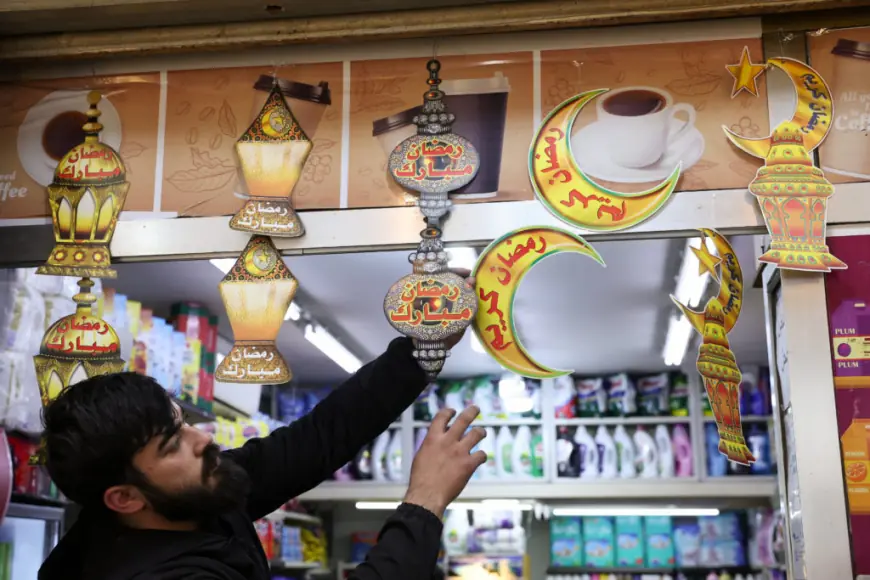
Observant Muslims worldwide prepare to enter Ramadan, the ninth month of the Islamic lunar calendar, a period marked by daily fasting, intensified worship and heightened charity. This year the month is expected to begin on or around Feb. 18 or 19, 2026 (ET), though exact start and end dates will depend on local moon sightings and declarations by religious authorities.
What Ramadan involves: fasting, prayer and charity
Fasting during Ramadan is one of the Five Pillars of Islam. From dawn until sunset each day, those observing the fast abstain from food and drink, including water. The daily fast is broken at sunset with a meal called iftar, and practitioners eat a predawn meal known as suhoor to prepare for the day’s abstention. Beyond the physical discipline, many participants view the fast as a spiritual exercise in self-restraint, gratitude and empathy for people who are less fortunate.
Religious life typically intensifies during the month. Many Muslims increase their time in prayer, attend congregational services and dedicate additional hours to reading and reflecting on the Quran. Charity is a central element of Ramadan practice: communities commonly share iftar meals, distribute food boxes or hand out dates and juice to those in need, and organize free communal dinners to ensure everyone can break the fast with dignity.
Islamic law provides exemptions for those who are ill, traveling, pregnant, nursing or otherwise unable to fast. People who miss days for temporary reasons are generally expected to make up those fasts later. This balance of obligation and accommodation is a longstanding feature of how the month is observed.
When Ramadan starts and ends in 2026 — and why dates can vary
The Islamic calendar follows the lunar cycle, so the start of Ramadan is traditionally determined by the sighting of the new crescent moon. For 2026, many communities anticipate the first day of fasting will fall on or around Feb. 18 or 19, 2026 (ET). The month is expected to last roughly 30 days and conclude around March 18 or 19, 2026 (ET), with the celebration of Eid al-Fitr likely to fall on March 19 or 20, 2026 (ET), depending on when the month officially begins in each jurisdiction.
Variations arise because different countries and Islamic authorities use distinct methods for determining the new month. Some rely on direct visual moon sightings, while others use astronomical calculations. Officials in certain regions may call for organized moon sighting events shortly before the expected start, and a single sighting can shift the calendar one day earlier or later for particular communities. That variability is why nearby countries or even different communities within the same country can mark the start of Ramadan on different dates.
This year the projected start of Ramadan may coincide with other cultural and religious observances in some places, including Ash Wednesday. Such overlaps underscore how multiple faith traditions sometimes navigate parallel calendars and shared public spaces during this season.
Community life and cultural traditions during the month
While the religious core of Ramadan is shared by Muslims worldwide, the social and cultural trappings of the month vary widely. Many communities emphasize communal gathering after sundown: families and friends assemble for iftar, neighborhoods host open tables, and markets swell with shoppers buying special foods and decorations. In some countries, streets and homes are dressed with lights and lanterns; seasonal songs and local customs add a festive atmosphere.
Ramadan also reshapes daily routines. Work, school and business hours may shift to accommodate early morning suhoor and evening prayer times. For many, the month is a time for reflection and reconnection—spiritually, socially and charitably—culminating in Eid al-Fitr, a major holiday that celebrates the end of fasting and the beginning of a new month in the Islamic calendar.
As communities around the world prepare, the exact rhythm of Ramadan 2026 will emerge as local leaders announce official start and end dates following moon sightings and consultations.