
























How to Get to Heaven From Belfast: Lisa McGee’s Female-Led Mystery Draws Strong Early Praise

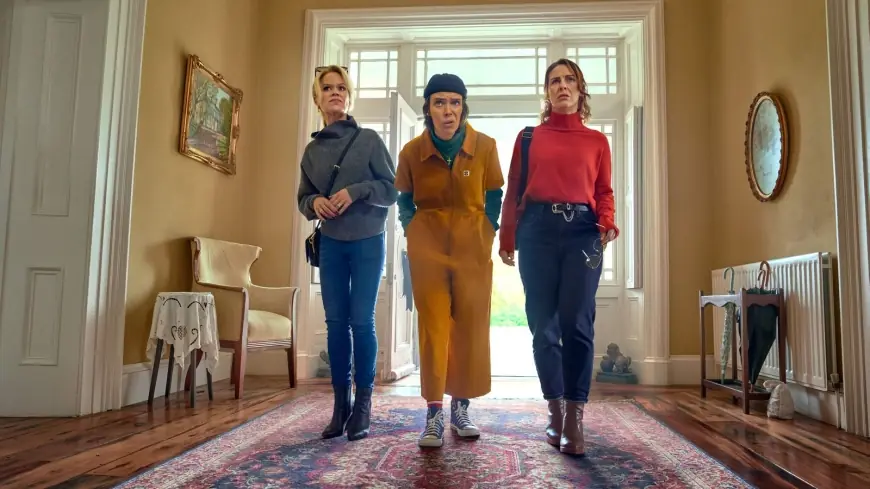
Lisa McGee’s latest series, How to Get to Heaven From Belfast, has landed with critics and audiences, blending sharp comedy with a twisty murder-mystery. The show follows three reunited schoolfriends who question the circumstances of a former friend’s death, and early reviews single out the cast and the creator’s tonal control as major assets.
From street plays to a darkly comic mystery
McGee, who developed her storytelling instincts long before television success, has said she used to write plays for children on her street, directing reluctant neighbours into improvised performances. That formative impulse—making stories vivid and communal—threads through her new work, which leans on close friendships, small-town rituals and the odd macabre surprise.
She has described an early love of murder mysteries and an urge to put her own stamp on the genre: a series that is very female-led, messy in places, and threaded with humour. That voice is evident in the show’s set pieces and dialogue, where brisk comedic timing sits beside darker beats about secrets, loyalty and the consequences of youthful choices.
Plot, performances and the tone that critics are praising
The narrative centers on three middle-aged women who travel back to their hometown for the funeral of a fourth friend. What looks like a simple death spirals into suspicion when one of the women, now a crime writer, spots inconsistencies that suggest the coffin may not contain who it should. Flashbacks hint at a troubling event two decades earlier; present-day tensions and local power dynamics complicate the investigation.
Reviewers have highlighted a standout performance from one of the leads and praised the ensemble for anchoring the show’s volatile mix of comedy and dread. The series manages brisk pacing while giving space for small, intimate moments—arguments over parenting and marriage, the wry gossip of a wake, childhood loyalties tested by adult betrayals. Supporting turns in roles like the local police chief and a domineering mother add tension, providing credible antagonists rather than cartoon villains.
Critics note that the show borrows the buoyant energy of McGee’s earlier work—her knack for creating lively, authentic characters—while pushing into darker territory. The result is a caper that feels both familiar and unexpectedly sharp; humor and menace are allowed to coexist, often in the same scene.
Audience reaction and what to watch for next
Early audience responses praise the writing and the series’ ability to surprise without betraying its central friendships. The mystery element keeps viewers guessing, while the comedy ensures the show rarely lingers in bleakness for long. Thematically, it touches on memory, collective responsibility and how communities remember—or rewrite—the past.
Viewers should watch for the ways McGee balances exposition with momentum. Rather than slow, expository dumps, the series unfolds through character friction and revealing flashes, inviting viewers to piece together the truth with the protagonists. Expect twists that reframe earlier scenes and emotional payoffs that hinge on long-buried loyalties.
As the series continues to circulate among critics and viewers, the conversation has centered on McGee’s evolution as a writer: moving from situational comedy to a hybrid form that leverages comedic instincts to make darker material feel more immediate and humane. For audiences drawn to character-driven mysteries with a strong comedic core, How to Get to Heaven From Belfast offers a compelling, messy, and often very funny ride.