





















Robert Duvall remembered as Hollywood titan and unlikely Scottish football cult hero

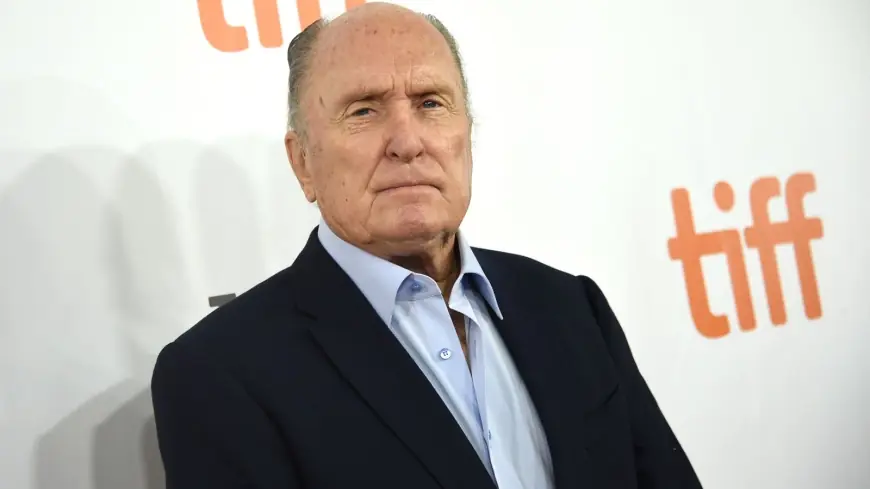
Robert Duvall, the Oscar-winning actor whose career spanned decades and some of cinema's most iconic roles, has died aged 95. He passed away peacefully at home on Sunday, his wife Luciana said; the news was announced on Monday (ET). Tributes have flowed from fellow actors, directors and colleagues, while a surprising chapter of his life — a deep engagement with Scottish football while making a 2000 drama — has cemented his place in fans' memories on both sides of the Atlantic.
A career defined by range and gravitas
Duvall built a reputation as one of modern cinema's steady gravitation points, winning an Academy Award for his lead in Tender Mercies and earning multiple nominations for performances including Tom Hagen in two installments of a famed crime saga and Lieutenant Colonel Bill Kilgore in a landmark Vietnam film. Colleagues have often pointed to his ability to bring weight and authenticity to every role; director Steve McQueen called him "the rock" who "brought gravity, " a performer who never rested on past achievements and treated every role as anew.
McQueen also recalled Duvall's discipline and generosity on set — anecdotes that ranged from moments of unexpected nervousness to the playful teamwork with his wife, who would quietly feed him lines when needed. That mix of vulnerability and preparation was, his collaborators say, central to a craft that made Duvall both formidable and deeply human on screen.
From Hollywood sets to Scottish terraces
Less well known to international audiences is Duvall's immersion in Scottish football culture while filming the drama A Shot at Glory at the turn of the millennium. He played Gordon McLeod, the beleaguered manager of a small-town club chasing an improbable cup run, opposite a former professional striker who took a lead acting role. To prepare, Duvall spent time at grounds across Scotland, absorbing the rhythms and atmosphere of match days and even joining in with local players and staff between takes.
Those who worked with him in Scotland remember a man who embraced the local camaraderie. One co-star and former player said he was "gutted" at Duvall's passing but praised the actor's warmth and humour, recalling how Duvall became "one of the boys, " setting up impromptu games and treating the cast and crew to dinners. Small personal touches — such as naming a pet after a Celtic legend and turning up as a pundit on a Scottish sports show while preparing for the role — helped cement an unlikely cult status among fans of the game.
Tributes, legacy and an artist's autonomy
Family comments painted a portrait of a man who loved his craft, good food and close company. Luciana described him as a devoted husband and an artist whose passion for storytelling endured to the end. Prominent actors and filmmakers who worked alongside him have highlighted his steadiness and influence — the kind of performer who could anchor a scene and lift others around him.
Beyond awards and accolades, colleagues point to Duvall's independence as central to his legacy. He often chose projects for personal conviction rather than profile, wrote and directed projects of his own, and maintained a creative authority that defined his career. That blend of humility, curiosity and craft has left a lasting imprint: a body of work beloved by filmgoers, and an unexpected, affectionate place in the memories of Scottish football supporters who recall the time a Hollywood star wandered into their world and stayed long enough to be counted among them.