






















Macron’s Mumbai stop — in historic Bombay — deepens defence and tech ties with India

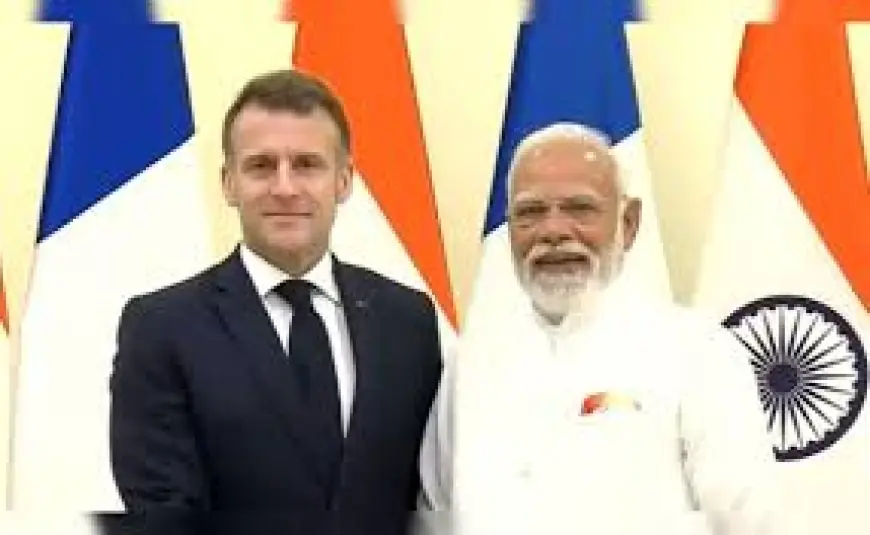
French President Emmanuel Macron used a high-profile visit to Mumbai on Feb. 17 to broaden strategic ties with India, highlighting defence deals, technology transfer and an "Innovation Year" aimed at boosting collaboration across aerospace, space and rail. The leaders framed the outreach as part of a wider effort to deepen economic and cultural links between the two countries.
Defence and technology pacts take centre stage
At a morning event in Mumbai, Prime Minister Narendra Modi and President Macron underscored expanding cooperation in areas from combat aircraft to submarines. Macron said the partnership now spans Rafale jets, submarine programmes and jet-engine development, and emphasised a mutual commitment to technology transfer. He framed these projects as examples of strategic autonomy pursued by both nations.
Macron invited India to participate more fully in a planned summit in France this July and said work is underway on a joint roadmap to tackle global challenges outside the framework of hegemony. He called aeronautics and a high-speed rail network "key areas" where the two governments are emerging as reliable partners, and stressed that investors, startups and research centres should play a larger role in bilateral industrial cooperation.
The announcements, made in the early hours ET, signal a stepped-up, government-backed push to move defence cooperation beyond acquisition and into co-development and manufacturing. That shift could have long-term effects for regional aerospace supply chains and indigenous defence capabilities.
Innovation Year and a broader economic agenda
The launch of an "Innovation Year" was billed as a cornerstone of the visit. The initiative aims to catalyse collaboration among companies, startups and R& D institutions on both sides, with a focus on space, AI and green technologies. Macron said at about 7: 33 a. m. ET that the aim is to ensure the "best technology transfer" and create opportunities for French and Indian investors and innovators to work together.
Officials also signalled closer cooperation in civilian domains: cultural projects and heritage initiatives were cited as part of a package aimed at deepening people-to-people ties. The leaders highlighted plans for new cultural centres and joint museum projects, positioning them as soft-power complements to the heavy industrial agreements on the table.
Diplomacy with a global angle
Modi framed the visit as part of a shared commitment to democratic values and a multipolar world. At roughly 8: 16 a. m. ET he emphasised both countries' support for reforms of global institutions, and reiterated commitments to pursue peace in regions including Ukraine, West Asia and the Indo-Pacific. He described cooperation as an effort to stand against all forms of terrorism while expanding maritime and cultural partnerships.
Space was highlighted as an emerging domain of collaboration. Macron said there are many areas where the two countries' thinking aligns on space initiatives, and that bilateral efforts will continue to grow. The July summit in France was presented as an opportunity to deepen this cooperation, with an explicit invitation extended to India to be part of a larger space-sector conversation.
The visit plays out against the backdrop of Mumbai's long-standing role as a financial hub—often still referred to by its older name, Bombay in cultural and historical contexts—highlighting how strategic and economic ambitions intersect in India's commercial capital. For business leaders and defence planners watching closely, the trip signals an intent to translate diplomatic warmth into concrete industrial partnerships.
The move toward co-development, technology transfer and a structured innovation agenda marks a clear evolution in the relationship, one designed to produce tangible projects and deepen ties well beyond a single summit or ceremony.