























Igor Tudor takes Tottenham training and immediately sets sights on Arsenal

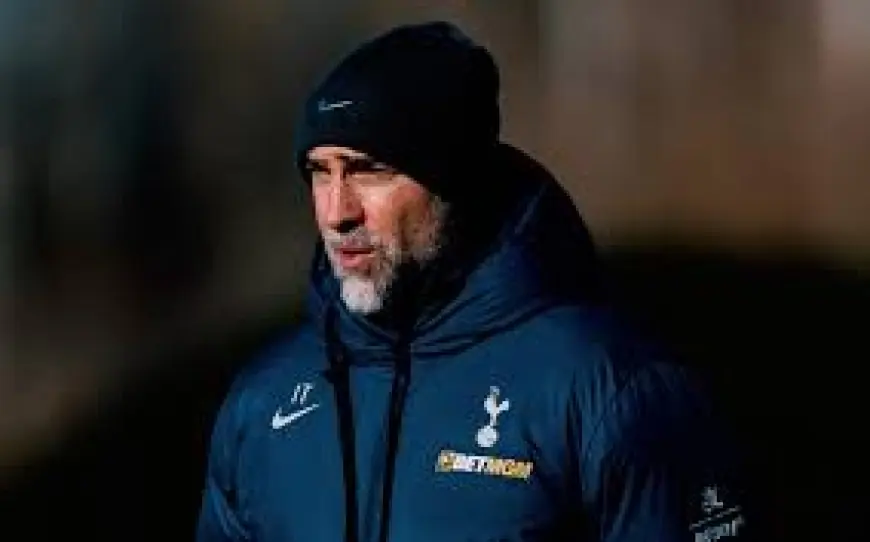
Igor Tudor arrived in London and wasted no time. Granted a work permit and officially confirmed as Tottenham’s interim head coach on Saturday, Feb. 14, 2026 (ET), the 47-year-old Croatian addressed the squad and led his first session at Hotspur Way on Monday, Feb. 16, 2026 (ET), as he sets about preparing the team for Sunday’s north London derby.
Hard training, clear message: intensity first
Tudor made his priorities plain from the first moments with the group: organisation, intensity and demand. Players returning from five days off following a 2-1 defeat were met with a sharp, no-nonsense session intended to lift standards quickly. Tudor’s brief to the squad is straightforward — more energy in training, greater competitiveness in matches, and a rapid improvement in results.
That hard-edged approach is consistent with the coach’s reputation. He has built a career on stepping into difficult situations mid-season and pushing teams to immediate improvement. The message at Hotspur Way was that there will be no easing into his methods. Tudor expects full commitment in every drill and will hold the squad to high physical and tactical standards as Spurs attempt to pull away from relegation trouble.
Tactical questions and Derby preparation
Tudor has favoured a back three in several of his previous jobs, but the precise shape for Sunday’s derby remains undecided. He inherits a squad short of central defenders: Cristian Romero is suspended and Kevin Danso is injured. That shortage complicates selection and could force tactical adjustments, but Tudor’s adaptability in past mid-season interventions suggests he will prioritise balance and defensive solidity.
With just a week on the training ground before meeting Arsenal, Tudor has moved the focus firmly onto immediate, actionable improvements rather than long-term overhaul. He has already set the tone for this brief but crucial period: tighten up at the back, increase intensity in transitions, and demand accountability from senior players. The derby offers a clear early test of whether Tudor’s methods can translate into an instant uplift on the pitch.
Track record of short-term impact — and the questions that follow
Tudor’s résumé is built on short, often successful rescue missions. He has a history of taking charge mid-campaign and producing quick turnarounds — notable stops include spells where he stabilised teams and led them to improved league finishes or European qualification. That pattern is precisely the profile Tottenham’s hierarchy embraced when offering him a contract until the end of the season.
Yet Tudor’s career also raises familiar questions about longevity. He has rarely been in place for a full season, and his stints are often measured in months. The reasons for that are complex: some stem from club circumstances beyond a coach’s control, others from the friction that can arise when an ambitious manager’s long-term blueprint collides with short-term expectations. For now, Spurs’ immediate need is simple — produce results and steady the team — and Tudor’s past suggests he is well suited to that remit.
Sporting leadership has framed his brief plainly: stabilise performances, maximise the squad’s quality and compete strongly in domestic and European commitments. For Tudor, the north London derby is a first marker. For Tottenham, the hope is that the Croatian’s intensity and tactical clarity provide the spark needed to shift a struggling run of form into momentum.