

























2026 Winter Olympics Alpine Skiing: Slalom Drama in Bormio Sets Up Tight Title Fight

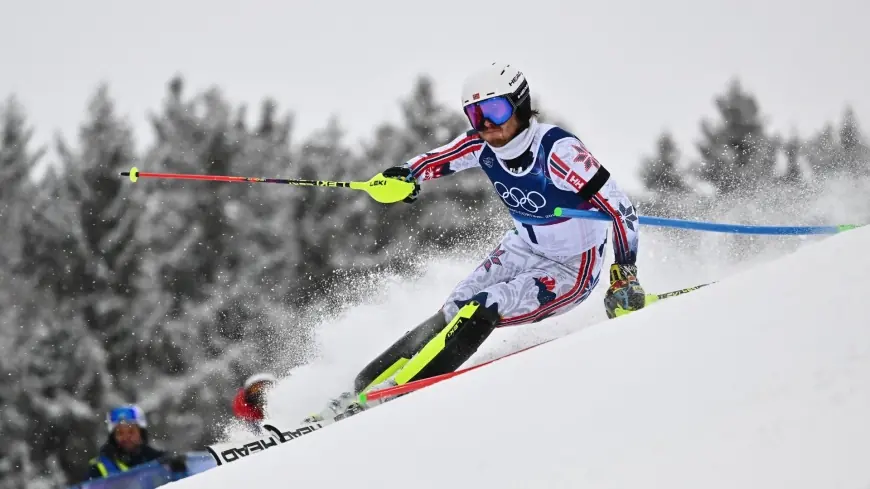
Run 1 of the men's slalom in Bormio produced an unpredictable opening chapter for alpine skiing at the 2026 Winter Olympics. Mistakes from pre-race favorites, a handful of bold late starters, and razor-thin margins left the podium picture unsettled and Turn 2 into a must-watch showdown.
Run 1 delivers shocks and standout moments
The first runs were defined by risk and reward. Several higher-seeded racers pushed hard early on a course that bit back: a number of athletes clipped gates or missed rhythm in the middle sections, posting times well off the pace. Conversely, a few lower-ranked starters produced clean, aggressive lines that vaulted them into medal contention, demonstrating how quickly fortunes can change on a technical slalom track.
Key sequences in the upper pitch and the mid-course chicane separated the field. Where some competitors skidded or took evasive turns, the top performers carried speed through the transitions and capitalized on tighter tuck positions heading into the lower pitches. The leaderboard shuffled repeatedly as split times came through, underscoring the course's propensity to reward precision over brute force.
Weather and snow texture played a role. The surface held up for the first dozen skiers but showed increasing ruts as the field progressed, making late starting positions both an opportunity and a hazard. Ski technicians and waxing crews earned their keep as marginal gains showed up in hundredths of a second that could decide a medal.
What to watch in Run 2 and how the title race shapes up
With Run 1 leaving the standings tight, Run 2 will be decisive. Expect strategic conservatism from skiers with strong first runs who will seek clean, conservative lines to protect their advantage. Conversely, those further down the order will need to take greater risks, attacking steeper angles and sharper edge engagement to claw back time.
Course reset decisions by the technical crew will matter. A more open gate set can favor racers with high top speed, while a tighter, more technical second run amplifies the importance of quick feet and short-radius turns. Coaches are likely to recalibrate ski choices and edge angles overnight to match the anticipated course dynamics.
Mental resilience will also be in play. Athletes who recovered composure after costly early errors showed the temperament needed to handle Olympic pressure. The interplay between experience and raw form will shape the final podium, with veteran racers potentially leveraging course knowledge and calmer nerves, while younger competitors may use nothing-to-lose mindsets to mount surprise charges.
Conditions, equipment and the bigger Olympic picture
Equipment marginal gains are under intense scrutiny. Ski length, sidecut preference and wax compounds that responded best to the evolving snow were evident in split differences. Teams that quickly dialed in setups between runs gave their athletes clearer windows to perform when it mattered most.
Beyond the single-event stakes, the slalom outcome has broader implications for alpine skiing at these Games. A tightly contested slalom podium would underline parity across nations and hint at a multi-discipline campaign where medals could swing between technical and speed events. For fans, the present uncertainty promises dramatic television and a late-day showdown that could be decided by margins so slim they require photo review.
As Run 2 approaches, attention will focus on who can marry precision with controlled aggression. The course in Bormio has already proven merciless to the overconfident and generous to the composed. The final run will determine which athletes rise to the moment and who falls short under the Olympic spotlight.