























Crockett vs. Talarico: How james talarico shapes the Democratic Senate fight in Texas

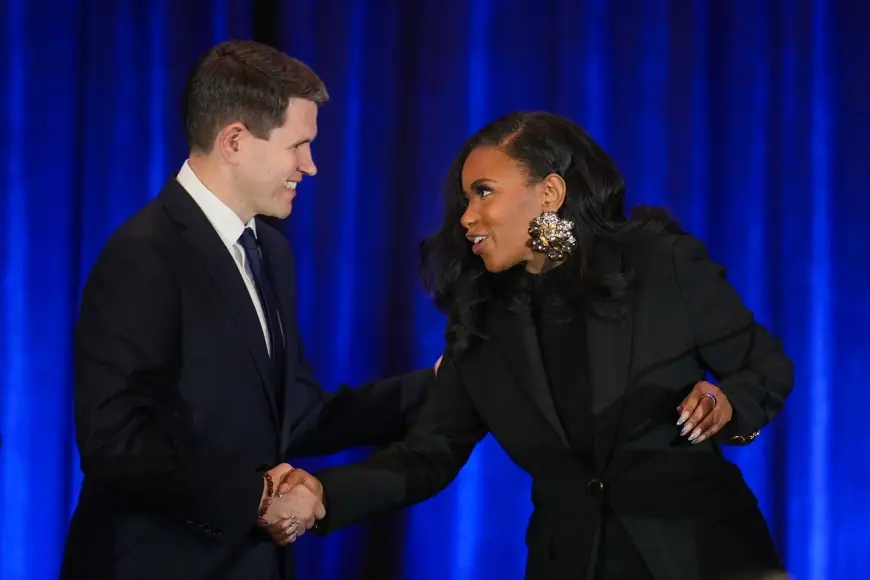
As Democrats head into the March 3 primary at 7: 00 PM ET, the contest between Jasmine Crockett and James Talarico has become a study in both similarity and strategic difference. Both candidates cast themselves as unapologetic progressives, but Talarico’s candidacy raises distinct questions about outreach, messaging and the party’s ability to unify ahead of a challenging November matchup.
Policy alignment and tactical differences
On substance, the two front-runners are remarkably close: both favor stronger taxes on the very wealthy to fund social programs, both criticize current immigration enforcement practices and both have said the conduct of the former president merits impeachment proceedings. But James Talarico has emphasized fiscal tools and moral framing, proposing higher income and capital gains taxes on the wealthiest Americans to create greater funding for everyday programs. He has also spoken often from a personal faith perspective, noting that he is studying to become a Presbyterian minister and that his values shape his approach to policy debates.
Contrast that with Crockett’s pugilistic public persona: she leans into confrontations with Republican leaders, aiming to cast herself as a fighter who can take on entrenched power. Crockett has portrayed Immigration and Customs Enforcement as a “rogue agency” that needs sweeping congressional fixes, while Talarico frames his immigration proposal as a repeal-and-replace of the current enforcement structure with an agency focused on public safety.
Both candidates have sought to demonstrate governing chops beyond slogans. Crockett has highlighted experience across farm policy and energy matters, and Talarico points to his multiple terms in the state House as proof of legislative experience. Where they differ is tone: Crockett’s campaign videos and stump speeches stress confrontation; Talarico’s messaging leans toward moral argumentation paired with a promise to fight in ways that can demonstrate at least partial victories.
Race, coalition politics and the fight for Black voters
Race and coalition dynamics are central to how the primary is unfolding. Recent polling shows Talarico struggling to break into double digits among Black voters, a bloc that has been decisive for Democrats in statewide contests. That gap has sharpened scrutiny of his outreach and messaging in majority-Black communities across the state.
Tensions have been amplified online, where backers of both candidates spar and outside influencers elevate narratives that can strain local relationships. A controversy over an alleged remark about a rival intensified attention on whether Talarico can persuade skeptical Black voters that his campaign respects and prioritizes their concerns. He has called the allegation a mischaracterization and said he will work to earn trust and respect across the state.
Party leaders face a familiar dilemma: how to allow a vigorous primary while minimizing intra-party damage ahead of an election in which Democrats have not won a U. S. Senate race in this state in more than three decades. Both campaigns say they want to win in November, but the path to unity may depend on how the primary campaign treats questions of race and who can show authentic ties to the communities that power Democratic turnout.
Electability questions and the November horizon
Whatever the primary outcome, the winner inherits a steep climb. Republicans currently control a Senate majority that will make the general election a nationalized and expensive fight. Democrats must not only consolidate their base but also persuade swing voters in a state that voted decisively for the Republican presidential ticket in the last presidential cycle.
Talarico’s strategy combines progressive policy proposals with an appeal to moral leadership and campaigning that aims to minimize personal attacks. That approach seeks to broaden his coalition, but it also tests whether a softer rhetorical style can overcome doubts about electability among voters focused on beating the Republican ticket in November.
As early voting proceeds, the campaign dynamics — from policy parity to stylistic contrasts, and from social media fights to targeted outreach in Black communities — will determine whether the party coalesces quickly or heads into the general election with lingering divisions. Either way, james talarico’s candidacy has forced a close look at how messaging and coalition-building will shape Democratic hopes in the state this year.