





















Elana Meyers Taylor Wins First Olympic Gold in Dramatic Monobob Finish

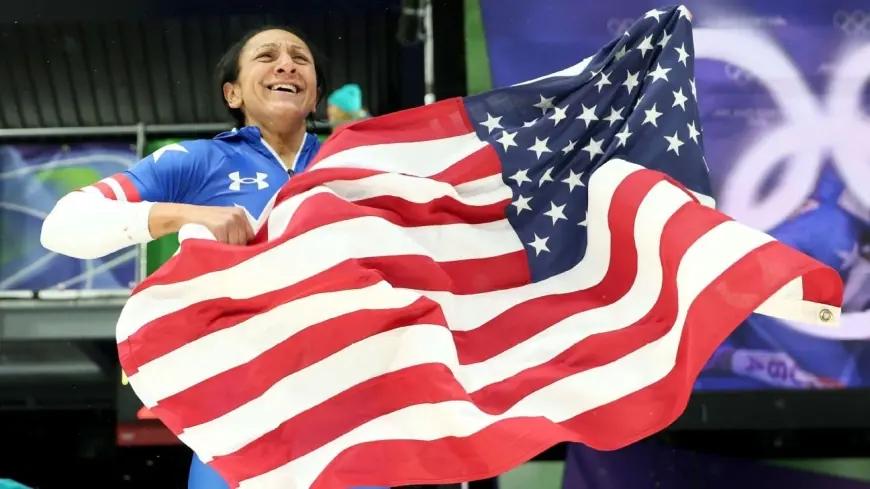
On Monday night, Feb. 16, 2026 (ET), Elana Meyers Taylor secured the Olympic title that had eluded her through five previous Games. The 41-year-old American produced a clean, pressure-packed final run to claim gold in the monobob at the Milan Cortina Games, finishing four runs in 3 minutes, 57. 93 seconds and bringing home her sixth Olympic medal.
A long-awaited, emotional triumph
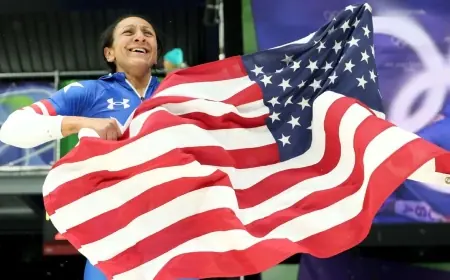
Elana Meyers Taylor (elana meyers taylor) entered the final run in second place and knew exactly what she needed to do. She leapt from her sled, waved the American flag and fell to her knees in tears as her two young sons watched from the stands. The victory capped a career that had included three silver and two bronze medals and many setbacks, including concussion issues and lingering doubt about her future in the sport.
With this gold, Meyers Taylor tied the modern-era record for most Winter Olympic medals by a U. S. woman at six, a place alongside one of the nation's most celebrated winter athletes. She also became the oldest American woman to stand at the top of an Olympic podium in a Winter Games event.
"I thought it was impossible, " she said after the race, reflecting the mixture of relief and disbelief that followed years of near-misses. The win gave her a long-sought final touch to a career defined by resilience, perseverance and repeated trips to the podium.
Final-run drama and milestone performances
Germany's Laura Nolte had led after the first three runs and held a slender 0. 15-second advantage going into the last heat. Kaillie Humphries of the U. S., who had claimed bronze earlier in the evening, went out first of the top three and posted a cumulative time that left her assured of a medal. Meyers Taylor, running second-to-last, delivered a controlled and aggressive descent that edged her ahead on the leaderboard by a razor-thin margin.
When Nolte completed her final run, the scoreboard showed Meyers Taylor in gold by just 0. 12 seconds. Nolte expressed mixed emotions afterward, acknowledging disappointment but praising Meyers Taylor’s long career and the fairness of the result. Humphries, who turned 40 and returned to the podium less than two years after becoming a mother, highlighted the message in both performances: age and parenthood do not preclude elite success in sliding sports.
U. S. coaching staff celebrated wildly at the finish, and teammates embraced on the icy apron. The night threaded together individual achievement and national pride, with the three-medal sweep underlining the depth of the field and the drama of four-run sliding competitions.
Legacy and what comes next
Meyers Taylor’s gold closes a chapter of near-misses and makes a statement about longevity in elite winter sport. Her journey—marked by setbacks, motherhood and repeated podium finishes—now includes the one distinction that had been missing from her résumé. By reaching the top of the podium at 41, she has rewritten expectations about career arcs in bobsledding and added a powerful moment to U. S. Winter Olympics history.
As she held the American flag and absorbed the anthem, Meyers Taylor joined a small group of athletes whose late-career triumphs broaden the narrative of what’s possible after multiple Olympic cycles. For fans and competitors alike, the result will be remembered as the culmination of persistence and a vivid reminder that elite performance can come at any stage of an athlete’s life.