














Kevin Nash Draws Criticism for Saying Je’Von Evans Should Be ‘More Urban’

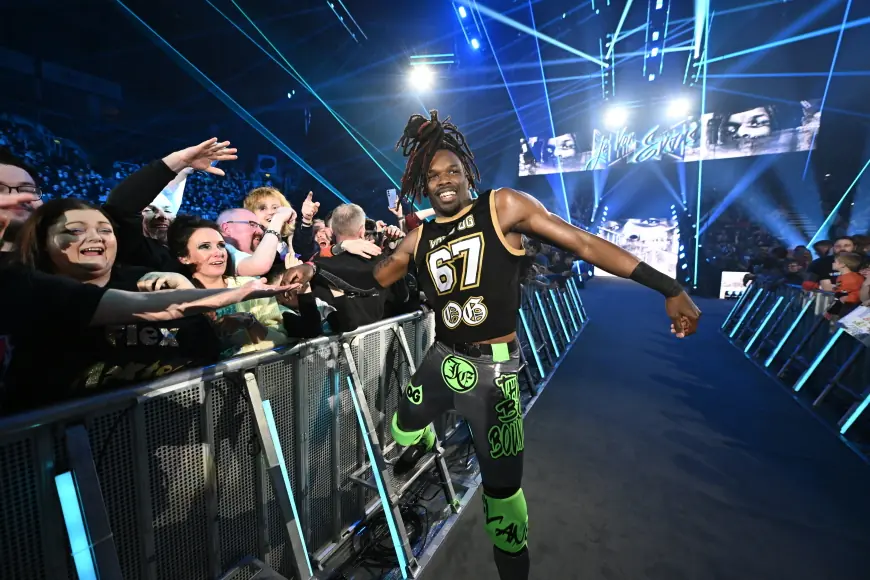
WWE Hall of Famer Kevin Nash has stirred debate after praising the in-ring ability of rising star Je’Von Evans while urging the 21-year-old to adopt a grittier, more streetwise presentation. Nash’s comments — which mixed genuine coaching notes with language many called dated and racially coded — have prompted a wave of reaction from fans and commentators.
Nash: athleticism is undeniable, but Evans needs more "edge"
Nash began by lauding Evans as an elite athlete and singled out a recent high-impact cutter off the top rope as the sort of moment that makes a performer stand out. At the same time, he urged Evans to make his matches read more like a real fight rather than a showcase of athleticism.
“He’s an incredible athlete. He’s a little bit too f***ing Mr. Bojangles for me. I wish he was a little bit more urban, ” Nash said, adding that if Evans won’t adopt a tougher persona he should at least use his striking to sell legitimacy. “He knows how to throw — he can strike, he throws a good punch. F***ing take your time, and throw a good punch. Maybe put two or three together. Something where f***ing you tell me, ‘If this s**t was real, all this athleticism I have, I can use. ’”
To illustrate his point, Nash referenced a veteran performer known for combining high-flying offense with stiff strikes as a blueprint for how to sell credibility in the ring. The coaching element of his critique — urging a slightly more methodical, striking-driven approach to complement aerial flourishes — is one many trainers and former wrestlers echo when advising young talent.
Backlash centers on racialized language and presentation
Where Nash’s comments landed poorly was his use of phrases and descriptors that many listeners interpreted as racial shorthand. Calls for a Black wrestler to be “more urban” or less like “Mr. Bojangles” tapped into long-standing debates about how Black performers are expected to present themselves in sports entertainment.
Critics pointed out that such prescriptions often rely on stereotypes about how Black men should behave in order to be viewed as legitimate or tough, and that those stereotypes have constrained performers for generations. For a talented young performer like Evans, some argued, the choice to express joy, flamboyance, or technical flair should not be interpreted as a lack of toughness.
Others defended Nash’s intention, saying that his primary aim was to help Evans translate spectacle into believable combat moments. Still, many emphasized that coaching feedback can and should avoid phrasing that reinforces racial tropes, particularly when addressed publicly.
What this means for Je’Von Evans’ development
The debate highlights the tightrope young wrestlers walk between viral athletic moments and long-term character development. Evans’ cutter drew major attention, and the imperative now is how he and his creative team choose to shape the next chapters of his on-screen persona.
Practical takeaways from the discussion include refining strikes and pacing to sell danger, layering character beats that make risk-taking feel meaningful, and preserving the distinct personality that helped Evans stand out. Many voices urged a balanced approach: coach the craft while allowing the performer’s individuality to flourish without forcing a narrow image onto a young athlete.
As the conversation continues, Evans remains positioned as one of the promotion’s most athletic young performers, with a clear opportunity to combine those gifts with storytelling choices that elevate him beyond highlight-reel moments. How he and those guiding him respond to both the praise and the critique will shape his trajectory in the months ahead.