























Melanie Hasler: Swiss bobsled star balances Olympic medal push with a high‑profile partnership

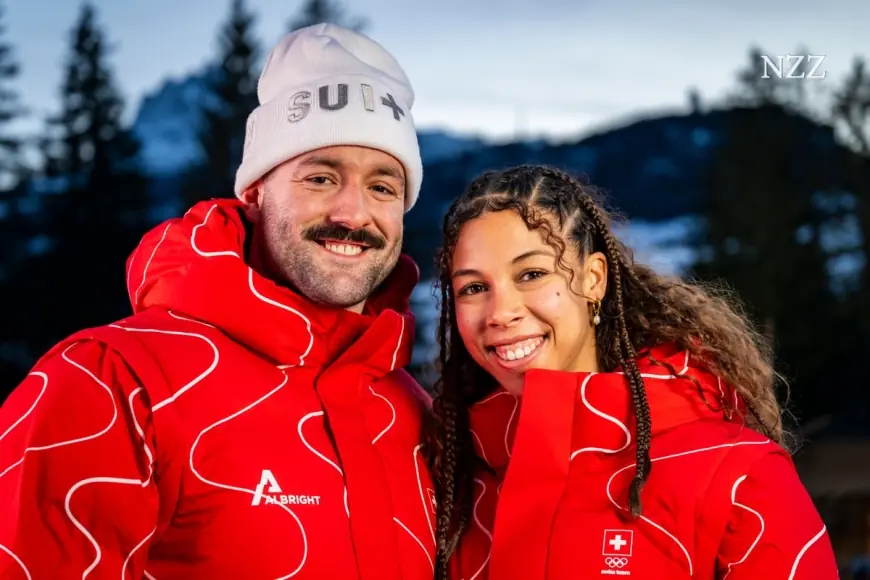
Melanie Hasler arrives at the Milano‑Cortina Winter Games in strong form, blending medal ambitions on the track with a quietly notable relationship off it. The 27‑year‑old European champion has shown the consistency to threaten the podium in the Monobob while sharing training routines and even equipment with her partner, fellow Swiss pilot Michael Vogt.
Strong Olympic start and realistic medal hopes
Hasler began the Olympic Monobob competition with momentum: after two of the four runs she sat among the leaders, holding a promising fourth‑place position on the first competition day (all times ET). The performance continued a season in which she twice claimed European titles on Jan. 18, 2026 ET, taking gold in both the Monobob and the two‑woman event within 24 hours. Those results underlined her status as one of the contenders on a track where rivals from traditionally dominant programs remain formidable.
Her intermediate standing after two runs reflected clean, technically sound sleds but also the narrow margins that define bobsleigh at the highest level. The gap to the podium was measurable yet surmountable: she trailed the bronze position by several tenths of a second, leaving room for two flawless final runs or missteps from competitors to alter the outcome. Hasler has framed a podium as a dream, but her immediate target is to secure an Olympic diploma — a realistic near‑term objective given her current placing.
Her Olympic résumé is already notable. Both she and Vogt made their Olympic debuts in 2022; Vogt came agonizingly close to a medal then, missing bronze in the two‑man by 0. 25 seconds, while Hasler posted top‑10 finishes that hinted at future potential. Those experiences have fed into their current campaigns and the tempered optimism they carry into Cortina.
Partnership on and off the sled
Their relationship, which solidified after the 2022 Winter Games, is a recurring subplot to Hasler’s Olympic narrative. The pair live separately during the season — a pragmatic choice given long stretches away for training and competition — but they make space for one another at the season’s peak. In the Olympic village they maintain separate accommodations, yet the proximity offers immediate emotional support and reduces the grind of having to explain every detail of a long, unusual day.
On the technical side, the partnership has practical benefits. Hasler and Vogt share equipment: Hasler has used Vogt’s two‑man sled in training and competition, noting that it tends to be faster and that using it gives her useful data on different lines and sled behavior. The two pilots work curve by curve to refine their approach; the same patience and attention to nuance that serves them on the ice also shapes their personal dynamic.
Both athletes appreciate the mutual understanding that comes from living the same high‑performance lifestyle — the sacrifices, the travel, and the emotional swing after wins and losses. That shared perspective allows them to decompress together when the season permits, and to treat the sport as one topic among many at home.
Faith, focus and the Olympic mindset
Outside of sport, Hasler has spoken about faith being an anchor during high‑pressure moments. She describes turning to spiritual conviction when competition feels unpredictable, a source of solace and focus when outcomes hinge on razor‑thin margins. That inner steadiness complements the physical and technical preparations that have placed her in contention.
As the final Monobob runs approach and the two‑woman event looms later in the week, the picture is one of a competitor who combines elite form with a supportive personal life. Hasler’s performances so far suggest she will remain in the mix when the medals are decided — and her partnership with Vogt adds a human dimension to a campaign already rich in sporting promise.