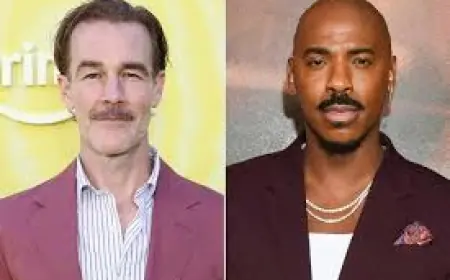












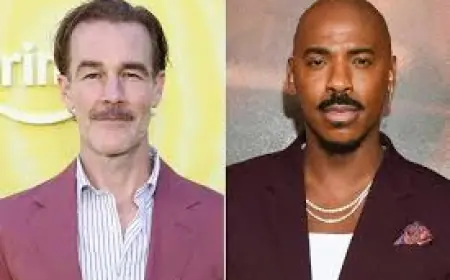







james van der beek: Cancer battle and auction highlight actors' precarious medical safety net

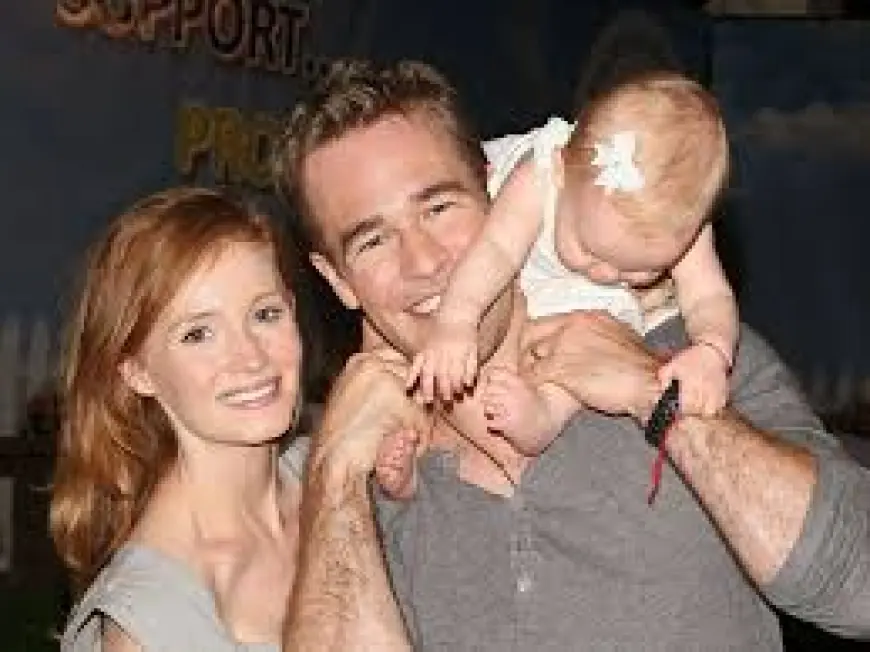
Former teen star james van der beek, whose name became synonymous with late-1990s youth drama fame, faced a stark financial reality as his family grappled with the cost of cancer care. The actor's struggle — and his family's public appeal for help — has focused attention on how medical bills can overwhelm performers who no longer earn the big paychecks of their early careers.
Medical bills, family fundraising and the memorabilia auction
Van der beek was diagnosed with colorectal cancer three years before his death at 48. The treatments left the family financially strained and prompted his wife to make a public plea for donations to avoid losing their home; their fundraising had reached $2. 3 million by the time of his passing. In recent months the actor also turned to selling personal memorabilia from his career, putting up cherished items he'd kept for decades — including clothing and props tied to his most recognisable roles — in an effort to help cover mounting costs.
Those actions highlighted a reality many Americans recognise: medical bills can quickly exhaust savings and force families into difficult choices. For an actor whose image once dominated red carpets and magazine covers, the decision to auction off career keepsakes underscored how unpredictable income and high medical expenses can collide, even for those who once enjoyed major visibility.
Residuals, union thresholds and why performers remain exposed
Part of the financial squeeze stems from how pay structures for television and film work. Van der beek has said that early in his career he was paid very little for the show that launched him, and that his contract did not include residual payments — the fees performers often receive when their work is re-aired or streamed. Without those ongoing payments, the steady income that many of his contemporaries enjoy evaporates.
Compounding the problem are rules that determine eligibility for union-provided health insurance. Performers must meet specific work or earnings thresholds to qualify for coverage through their union; one common standard is working a certain number of days in union productions or reaching a minimum earnings level on union shoots. When steady work dries up, so can access to benefits that would otherwise help cover medical costs.
Veteran actors and industry professionals point to structural changes in how revenue is generated and distributed as a key factor. One actor noted that traditional revenue streams many performers relied on have diminished as the industry shifted toward streaming and new distribution models. Those shifts have affected how production companies compensate performers and have reduced the lifelines that residuals used to provide.
Personal stories from high-profile performers have illustrated the fallout. A fellow actor who lost health insurance during a recent industry-wide stoppage described the precariousness of working in film and television: work is episodic, and survival often depends on piecing together jobs between periods of unemployment.
Aftermath and wider implications
Van der beek continued to work after his diagnosis, appearing in projects as late as 2025, but intermittent jobs may not have been enough to restore long-term financial stability or access to union health benefits. His family's public appeal and the decision to monetize career memorabilia have renewed discussions within the industry about how current compensation systems and benefit eligibility leave many performers at risk when serious illness strikes.
The case also resonates beyond Hollywood. Millions of Americans face similar dilemmas when healthcare costs outpace savings and insurance coverage is incomplete or lost. For performers and non-performers alike, the intersection of rising medical costs, evolving income models, and eligibility rules for benefits creates a brittle safety net that can be broken by illness.
Van der beek's situation has prompted renewed calls to examine how compensation, residuals and benefit rules operate in a changing media landscape — and whether those systems adequately protect the people whose work built them.