





















George Washington and Presidents Day: What the Holiday Is, Why It Exists, and Why the Name Still Causes Confusion

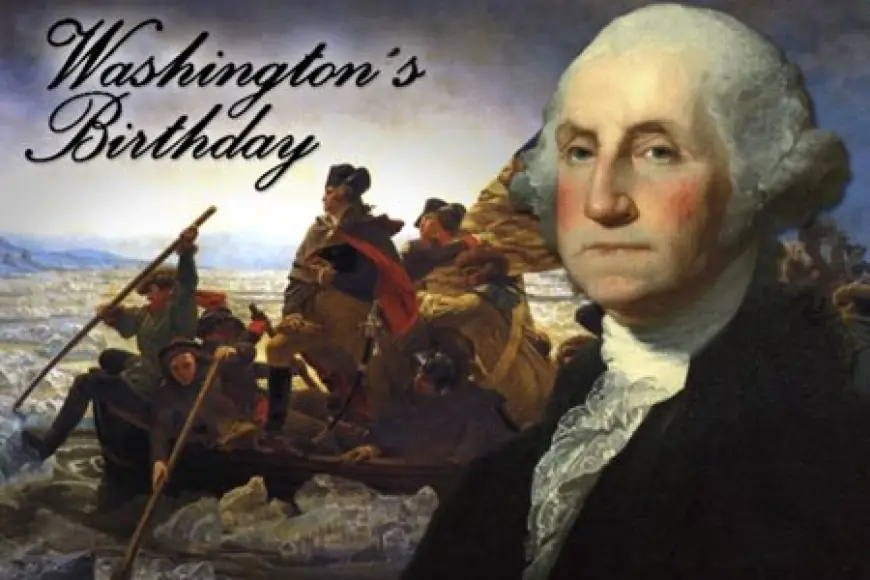
Presidents Day is a United States federal holiday observed on the third Monday in February, and in 2026 it fell on Monday, February 16 ET. Many people associate it with honoring all U.S. presidents, but the official federal holiday is still Washington’s Birthday, rooted in the legacy of George Washington and later reshaped by a calendar change designed to create predictable three-day weekends.
The result is a holiday that is widely celebrated under one name, officially recorded under another, and used by businesses and politics in ways that often matter more than the history lesson.
What is Presidents Day, officially?
At the federal level, the holiday is Washington’s Birthday. It began as a way to honor George Washington, the nation’s first president, who was born on February 22. Over time, the observance shifted away from February 22 to the third Monday in February, which can land between February 15 and February 21.
That calendar shift is why the holiday never actually falls on Washington’s real birthday anymore. The popular label “Presidents Day” grew as states, schools, retailers, and the public began to treat the day as a broader recognition of presidents, often pairing Washington with Abraham Lincoln because Lincoln’s birthday is February 12.
George Washington’s role in the holiday’s meaning
Washington’s reputation functions like a civic anchor. He is widely viewed as a unifying figure in American political mythology: commander in the Revolutionary War, presiding officer at the Constitutional Convention, and the first president who helped define norms about peaceful transfers of power and limits on personal rule.
That symbolic role is precisely why Washington became the focus of an early presidential holiday. The holiday’s drift toward “all presidents” is a modern cultural add-on that reflects how the presidency itself has become the center of American political storytelling.
Behind the headline: why the holiday looks more like retail season than remembrance
The biggest incentive behind the modern Presidents Day experience is not commemoration. It is scheduling and commerce.
Context matters. The holiday’s move to a Monday was part of a broader push to standardize long weekends, which helps employers, schools, and travel planning. Businesses quickly learned that a predictable February long weekend is a perfect moment to stimulate consumer spending during a slower retail stretch between winter holidays and spring.
Stakeholders include:
-
Federal and state governments, which set official observance rules and closures
-
Schools and districts, which often build winter breaks around the date
-
Banks, mail services, and markets, which align schedules with federal calendars
-
Retailers and advertisers, which use the holiday as a sales tentpole
-
Politicians and civic groups, which use it to frame messages about leadership and national identity
That mix produces an annual tension: are we honoring Washington, celebrating the presidency broadly, or simply enjoying the day off and the discounts?
What typically closes, and what usually stays open
Presidents Day is commonly observed with closures across many public institutions. In most places, federal offices are closed, and many courts and schools do not operate on the holiday. Financial markets typically pause trading, and many banks follow the federal calendar.
At the same time, many private businesses remain open, and the day is often treated as a normal shopping day with heavier promotion. That split is part of why the holiday feels inconsistent depending on your job and where you live.
What we still don’t know, and why people keep arguing about the name
The biggest “missing piece” is that the United States never fully standardized the holiday’s public identity. The federal name emphasizes Washington. Many states use different labels. Schools and media often use Presidents Day because it is simpler and matches public habit.
That ambiguity invites debate every year, especially when politics is tense. Some people see the broader name as inclusive and educational. Others see it as flattening history and turning a specific commemoration into a vague celebration of power.
What happens next: realistic scenarios to watch
-
More states keep drifting toward “Presidents Day” naming for simplicity, especially in school calendars.
-
Civic organizations double down on Washington-specific programming to reclaim the original intent.
-
Retail promotion keeps expanding, making the holiday feel even more like a seasonal sales event.
-
Political messaging intensifies around the holiday in election years, using “presidential leadership” as a theme.
-
Calls for clearer national standardization resurface, then fade, because the current ambiguity benefits multiple stakeholders.
Presidents Day, at its core, is a compromise between history, scheduling, and modern culture. It starts with George Washington, but what most people experience now is a long weekend that reflects how the presidency has become both a civic symbol and a commercial opportunity.