






















The 2026 Barkley Marathons Have Begun—Its Earliest Start Date Ever

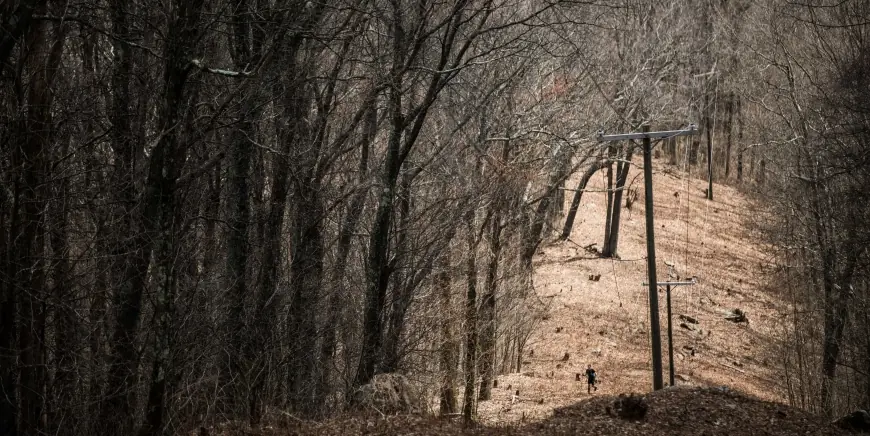
The Barkley Marathons began at 6 a. m. ET on Valentine’s Day, marking the earliest official start in the race’s four-decade history. The notorious ultramarathon will run on a 60-hour clock that ends at 6 p. m. ET on Monday, Feb. 16, and participants face the same punishing mix of navigation, elevation and unpredictable mountain weather that has defined the event since 1986.
Early start, familiar test: course, rules and history
Organizers opened the event with the race’s ritual signals on a cold Tennessee morning, sending a field of roughly 40 runners onto the roughly 100-mile course at Frozen Head State Park. The challenge is straightforward in description but fiendish in execution: competitors must complete five loops of a course that changes each year, without the use of GPS, and meet a 60-hour cutoff. Elevation typically exceeds 60, 000 feet, and the terrain is steep, thickly vegetated and often disorienting.
Finishers remain rare. Across the race’s history only two dozen finishes have been recorded, and repeat finishers occupy much of that list. The race has produced a handful of storied performances, including the first female finisher in 2024, and other landmark moments that have helped cement its mythic status in the ultrarunning world. Some editions see a handful of finishers; others produce none.
Weather bites hard as field thins; just two remain on loop three
Severe weather has played a decisive role in this edition. Bitter cold, heavy rain and thick fog turned sections of the course into a patchwork of exposure and slippery, waterlogged terrain. Those conditions have dramatically reduced the number of runners still in contention: of four athletes who launched the third loop earlier in the event, two withdrew, leaving two competitors continuing to battle the elements.
Survival tactics have moved to the foreground. Some runners adopted improvised measures to keep gear and feet usable—one athlete ran barefoot while others shielded shoes from the downpour with plastic coverings. Those adaptations underscore how much the Barkley rewards adaptability as much as fitness; with navigation prohibited and aid limited, small choices have outsized consequences.
What to watch over the remaining 60 hours
The next day-and-a-half will determine whether this edition produces any finishers. To reach an official finish, athletes must complete five loops and clear the 60-hour limit. With only two runners currently on loop three, the math is stark: even reaching the so-called “Fun Run” stage—completion of loop three—leaves athletes with two further loops of roughly 30–40 kilometers each to complete under relentless time pressure and demanding conditions.
Following the race is more a patchwork of field notes than a live broadcast: observers on-site and members of the running community are sharing periodic updates, dispatches and firsthand impressions as the event unfolds. Those who are still moving must contend not only with the terrain and time but with the mental toll exacted by relentless wet cold and murky routes.
Whether this edition will yield a finisher remains uncertain. If history is any guide, the Barkley will be unforgiving until the final minutes of the clock. As runners press on toward Monday’s 6 p. m. ET cutoff, the unfolding drama at Frozen Head will once again test the limits of human endurance—and the improvisational instincts of those daring to try.