





Wuthering Heights Book Surges in 2026 as New Film Sparks a Fresh Reading Boom and a Familiar Culture War

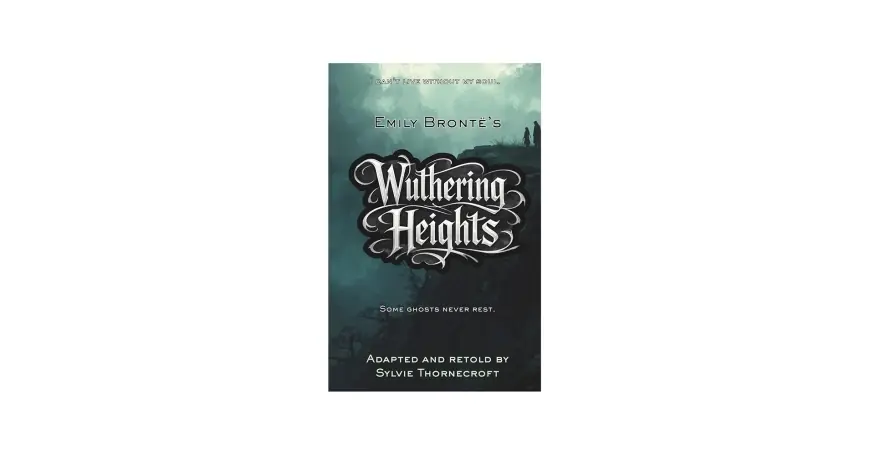
Emily Brontë’s Wuthering Heights is having an unmistakable 2026 moment, and it is not just because a new movie arrived for Valentine’s Day weekend. In the days surrounding the film’s release on Friday, February 13, 2026 (ET), the 1847 novel has seen a sharp spike in demand across print, digital, and free public-domain editions, turning a canonical classroom title into a fast-moving pop-culture object again.
The renewed attention is doing two things at once. It is bringing new readers to the book for the first time, and it is pushing longtime fans to re-litigate what the novel actually is. A tragic romance. A revenge story. A portrait of class violence. A gothic experiment in narration. The answer is yes, and that’s exactly why the book keeps resurfacing whenever a big adaptation arrives.
What’s happening with the Wuthering Heights book right now
In early 2026, print sales and downloads of Wuthering Heights have climbed dramatically compared with the same period a year ago, with the biggest gains concentrated in January and early February as anticipation for the film built. The pattern matches a familiar cycle: a recognizable adaptation turns a “classic” into a trending product, and the book becomes the easiest way for audiences to join the conversation with confidence.
A second accelerant is access. Because Wuthering Heights is in the public domain in the United States and widely available in free digital form, curious readers can sample it instantly. That lowers the barrier for the film-curious and creates a spillover effect: even people who never buy a paperback can still become part of the debate about what the story means and what the movie did with it.
What Wuthering Heights is actually about, beyond the romance pitch
The book’s current resurgence is also powered by a mismatch between how it is marketed and what it delivers.
At the surface, Wuthering Heights is often sold as an epic love story between Catherine Earnshaw and Heathcliff. On the page, it reads more like an extended argument about obsession, inheritance, and the ways trauma reproduces itself across households. The romance is real, but it is not safe. The passion is not cleansing. It is corrosive, and Brontë keeps showing the aftermath.
That is why readers who return to the book after seeing any adaptation often feel whiplash. The novel’s structure is layered through multiple narrators and a long arc of consequences. It asks the reader to sit with unpleasant behavior without offering easy moral relief. Even the landscape functions like a character: harsh, beautiful, and indifferent to human intentions.
Behind the headline: why the book is trending now
The incentives are straightforward and they stack.
Publishers benefit from a prestige title that suddenly sells like a contemporary release. Film marketing benefits when the book becomes a social accessory, a visible sign that you “know the source.” Viewers benefit from the status of participation: reading the book turns a night at the movies into an opinion you can defend.
There is also a deeper cultural incentive. Wuthering Heights fits the current appetite for intense, messy narratives that refuse tidy empowerment arcs. In a media environment saturated with clean storytelling, Brontë’s novel feels like a provocation. That provocation is shareable, and shareability is fuel.
Stakeholders: who gains, who loses, who gets misread
This reading boom creates winners and losers beyond the obvious.
Readers gain a shared cultural moment around a difficult classic. Teachers and students gain a timely entry point for discussion, but also inherit fresh controversy about what belongs in the curriculum. Booksellers and libraries face demand spikes that test inventory and hold systems.
The people who lose are often the ones reduced to symbols. Catherine becomes “the romantic heroine” or “the villain,” and Heathcliff becomes “the tortured lover” or “the monster,” depending on the narrator in your head. The novel’s whole trick is that it refuses to let either reduction stand comfortably for long.
What we still don’t know
The next phase depends on how the movie’s buzz evolves and how quickly the culture moves on.
Key unknowns include whether the book’s sales surge holds through late February, whether new readers finish the novel or treat it as a prop, and whether the broader conversation shifts toward the novel’s structure and themes instead of staying focused on the most meme-ready elements: the romance, the cruelty, and the shock.
There is also a lingering question about adaptation gravity. When a new screen version dominates the conversation, many people remember the story through the film’s choices rather than the book’s architecture. Whether 2026’s moment leads to deeper reading or shallow recall will decide the legacy of this wave.
What happens next: realistic scenarios to watch
One likely outcome is a second surge driven by book clubs and classrooms, as readers compare the novel’s generational consequences to a more streamlined, cinematic focus. Another is a quick fade, where the book becomes a short-lived trend item and the broader audience moves on to the next cultural release.
A third path is the most interesting: a lasting reframe in which Wuthering Heights becomes less of a Valentine’s Day romance shorthand and more of a widely discussed study in obsession, power, and the damage families do when love and ownership blur.
That’s the real reason the book keeps coming back. Wuthering Heights does not simply tell a love story. It stages a storm and asks you to decide whether the storm is romantic, tragic, or unforgivable. In 2026, a new audience is making that decision all over again.