























Hugh Jackman's 'Eddie the Eagle' Finds New Life During the 2026 Winter Olympics

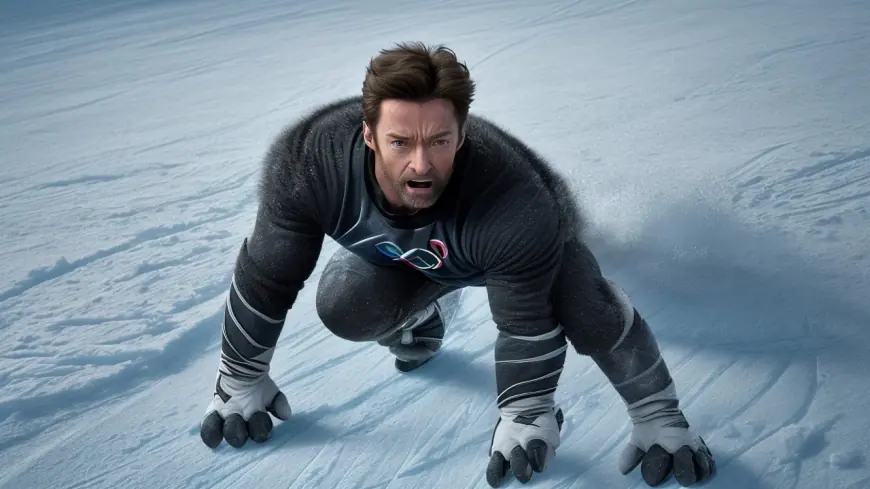
The feel‑good sports drama Eddie the Eagle, starring Taron Egerton and Hugh Jackman, is enjoying a wave of rediscovery as the 2026 Winter Olympics unfold in February 2026 (ET). Ten years after its 2016 release, the film’s underdog story and optimistic tone are connecting with new audiences who are tuning in to ski jumping coverage and looking for a cinematic companion to the Games.
Why viewers are revisiting Eddie’s unlikely journey
At its core, Eddie the Eagle celebrates determination over destination. The movie dramatizes the real-life quest of Michael “Eddie” Edwards to become Britain’s first Olympic ski jumper in decades, and it does so by leaning into character and heart rather than polished athletic triumph. Taron Egerton’s portrayal of Eddie captures a whimsical optimism that proved infectious for many viewers, while Hugh Jackman’s Bronson Peary — a fictionalized coach and emotional counterpoint — adds a layer of lived-in regret and tough love that deepens the narrative.
Critics and commentators have highlighted the film’s refusal to overstate Eddie’s athletic prowess. Film critic Amanda Peterson said the film’s power lies in its depiction of a person who simply wants to live his dream, not to rewrite the record books. Sports commentator Mark Thompson noted that celebrating humanity and perseverance can be more compelling than celebrating a medal haul. That perspective resonates now as audiences watch athletes chase excellence on a global stage while also craving stories that honor grit and good humor.
How the film fits into the modern Olympic moment
The timing of the rediscovery helps explain the renewed interest. The 2026 Winter Olympics have refocused attention on events like ski jumping, and Eddie the Eagle’s 1988 Calgary setting offers a nostalgic contrast to today’s highly commercialized Games. The movie recalls an era when individual stories could capture worldwide affection, and Eddie’s warm reception at those Olympics remains a touchstone for fans who prefer human-scale narratives to medal tallies.
Though the film did modest box office business upon release, it earned a loyal following for its tone and performances. Michael Edwards himself has said that while the film takes liberties with factual detail, it captures the spirit of his experience — the courage to try, the public’s fondness for an underdog, and the idea that competing can be its own victory. That message complements contemporary conversations about mental health, sportsmanship, and the broader meanings of success.
What renewed attention means for the film’s legacy
Renewed interest during an Olympic year tends to do more than lift streaming numbers; it reframes a film’s cultural position. Eddie the Eagle is being appreciated not as a conventional victory story but as a reminder that the Games can celebrate audacity as much as perfection. Viewers revisiting the film this winter are discovering why its blend of comedy, warmth, and emotional honesty still lands.
Whether audiences are watching for nostalgia, to better understand a quirky slice of Olympic history, or simply for a companion piece to the current competitions, Eddie the Eagle’s revival demonstrates how a well‑told human story can find fresh relevance years after it first flew off the screen.