






















T20 World Cup: India thrash Pakistan in Colombo as political tensions linger

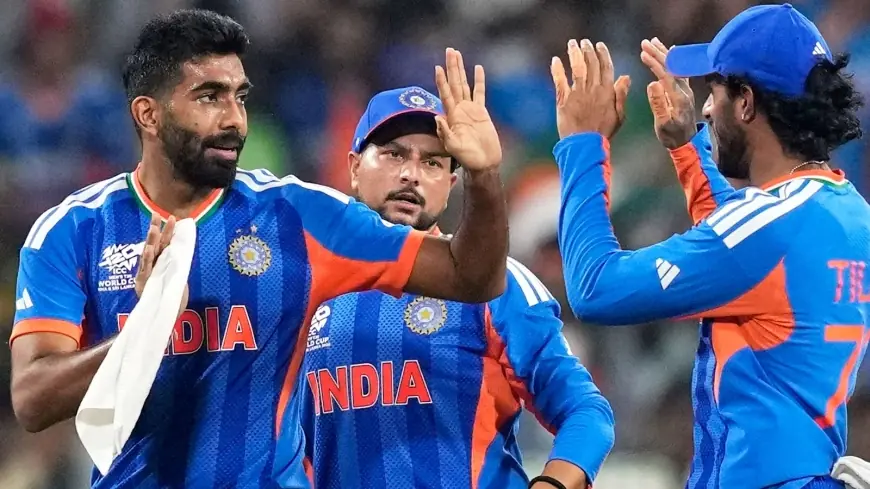
India produced a dominant performance to defeat Pakistan in a high-profile Group A clash in Colombo on Sunday evening ET, sealing a comprehensive victory that served as both a sporting statement and a reminder of the wider tensions that shadow matches between the two neighbours.
Comprehensive win in Colombo
The match in Colombo unfolded as a one-sided affair, with the visiting side asserting control through strong batting and disciplined bowling. From the outset India put pressure on Pakistan, setting a total that proved beyond reach and then closing out the contest with clinical bowling and alert fielding. The scale of the victory left little doubt about which team held momentum early in the tournament.
Players on both sides showed the intensity fans expect from this fixture, but the result will be treated as a major boost to India’s prospects in the group stage and a tough blow for Pakistan as the tournament progresses. Team strategists will now turn quickly to preparation for upcoming matches, where net run rate and match fitness remain crucial.
Political tensions and the shadow over the rivalry
The sporting drama came amid an unusually fraught backdrop. The build-up to the match had been unsettled: Pakistan’s government initially barred its players from taking the field against India, framing the decision as an act of solidarity with a neighbouring team that had earlier been removed from the tournament after refusing to play in India over security concerns. After days of negotiations involving officials at the highest levels, the decision was reversed and the match went ahead.
Cricket encounters between these two nations have long carried weight well beyond the boundary ropes. Since partition in 1947 the relationship has been marked by recurring conflicts, tense diplomacy and disputes over territory. Bilateral cricket ties have been largely dormant since 2008 following a horrific attack in Mumbai, pushing most contests into neutral venues and making tournament clashes the only regular meeting point on the international calendar.
That history feeds the emotion in stands and living rooms across the subcontinent. Interest in these matches is immense: one recent estimate put viewership for a single high-stakes meeting between the two at roughly 325 million, dwarfing audiences for most global sporting events. Broadcasters and cricket authorities recognise the financial and cultural significance every time the teams meet, but the games also underscore the fragility of sport when set against diplomatic strains and security fears.
Implications for the tournament and next steps
India’s convincing win strengthens their position in Group A and will be seen as a warning to other contenders about their depth and temperament under pressure. For Pakistan, the defeat raises questions about consistency and execution; the team will need to regroup quickly to keep qualification hopes on track.
Off the field, the episode reinforces persistent concerns about politics intersecting with sport. Tournament organisers, national boards and governments remain under pressure to ensure fixtures take place safely and that players can compete without exception. For fans, the game delivered the drama they expected, but it also highlighted how much more is at stake when these two sides meet than the result on the scoreboard.
As the T20 World Cup progresses, attention will shift back to cricketing narratives — net run rates, player form and tactical adjustments — but the backdrop that framed this contest will continue to shape perceptions and discussions around every India–Pakistan encounter for the foreseeable future.