























Nikita Volodin’s comeback turns him into Germany’s Olympic medal contender

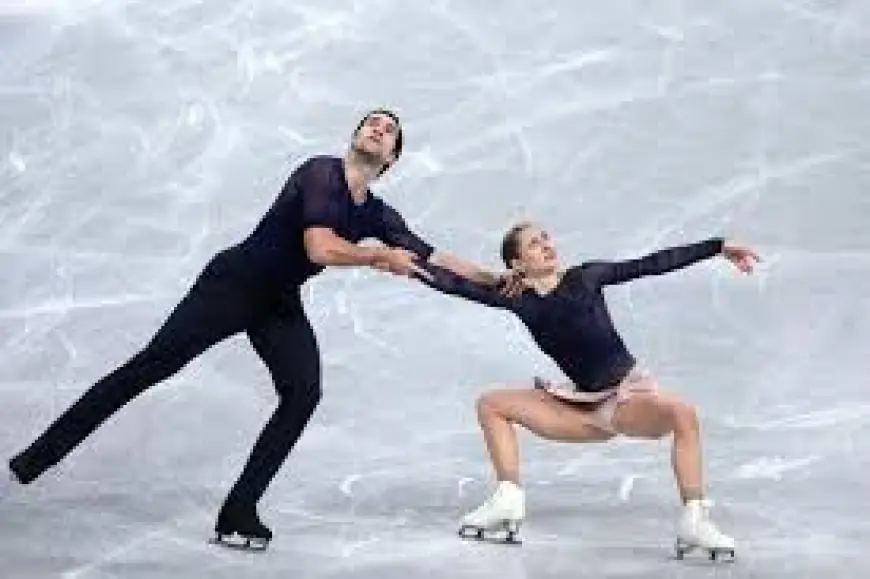
Nikita Volodin’s journey from stalled prospects in Russia to an Olympic medal contender for Germany has been swift and unlikely. After nearly four years away from elite competition, Volodin paired with German skater Minerva Fabienne Hase in 2022 and rose rapidly to the podium at major international events, positioning the duo among this Winter Games’ medal hopefuls.
A second act on Olympic ice
Volodin’s early career lost momentum, and he spent several seasons performing in ice shows rather than chasing international titles. The turning point came when Hase’s coach arranged a tryout in 2022. The German had been left scrambling that year when her previous partnership unraveled after a positive COVID test sidelined her at the 2022 Games.
Pairing with Hase revived Volodin’s ambitions. He described the emotional weight of the comeback succinctly: “I tried to forget it. But now I’m standing here and I can skate on Olympic ice and it’s wonderful. ” That sentiment has been matched by results. The pair won bronze at the ISU Grand Prix of Figure Skating Final in Nagoya on Dec. 5, 2025 (ET), a sign that their technical repertoire and on-ice chemistry can withstand high-stakes pressure.
From show skater to Olympic podium threat
The transition from performing in shows to competing at the sport’s highest level is rare and difficult. Volodin not only had to rebuild his technical consistency in elements like side-by-side jumps and throw lifts, but also had to forge timing and trust with a new partner. The rapid advancement of the Hase–Volodin pairing highlights both athletes’ work ethic and their coaching team's ability to fuse two distinct career trajectories into a medal-capable partnership.
Their international placements this season have underscored the pair’s growing reputation. Judges and fans have noticed a blend of power lifts, clean lines and a renewed competitive intensity that had been absent from Volodin’s record for several years. That combination makes them a dark-horse pick for the podium in a tightly contested pairs field.
Part of a broader realignment in winter sports
Volodin’s story also reflects a wider pattern at these Winter Games: a notable number of competitors were born in Russia or previously represented Russia but now compete for other countries. At least 30 such athletes appear in the current roster, outnumbering by more than two to one the smaller subset of individual neutral athletes with Russian passports who were allowed to compete after broader exclusions were imposed following geopolitical events in 2022.
For many athletes, changing the country they represent became the only practical route to keep competing internationally, especially in disciplines that restricted neutral participation until recently. Volodin’s move to Germany, and his quick return to elite-level podium contention, underscores how shifts in nationality and new partnerships can reshape competitive landscapes virtually overnight.
As the Olympic competition unfolds, Volodin and Hase will be watched not only for their technical scores but also for what their run says about resilience and adaptation in elite sport. Their ascent suggests that career detours—ice shows, coaching changes, missed opportunities—can be overcome with the right match and momentum on the ice.